Blog
7 Tips for Buying the Right Grab Hook?
Choosing the right Grab Hook can feel simple until a real load begins to move. A hook that looks strong may still have the wrong throat opening, grade, or working load limit. In field use, small details matter. A narrow opening may not fit a thick chain link. A damaged latch may also create an unnecessary safety risk.
This guide shares seven practical tips for making a more informed choice. It considers hook size, material quality, load ratings, chain compatibility, latch design, and working conditions. These points reflect common experience from lifting, towing, forestry, and material-handling applications. Always check the manufacturer’s specifications before relying on any Grab Hook. Ratings can vary between products that appear almost identical.
Measure carefully.
A trustworthy selection begins with the intended task, not the lowest price. Ask how often the hook will be used, where it will operate, and what forces it may experience. Mud, rain, abrasion, and sudden loading can affect performance over time. Even experienced users can overlook one factor. That is worth remembering.
Look for clear markings, traceable product information, and evidence of quality control. Do not use a hook with cracks, excessive wear, distortion, or uncertain history. Replace questionable hardware rather than guessing. The best choice should fit the chain correctly, support the expected load, and leave a reasonable safety margin. These habits help turn a basic purchase into a more reliable working decision.
Understanding Grab Hook Types and Their Intended Uses
7 Tips for Buying the Right Grab Hook?
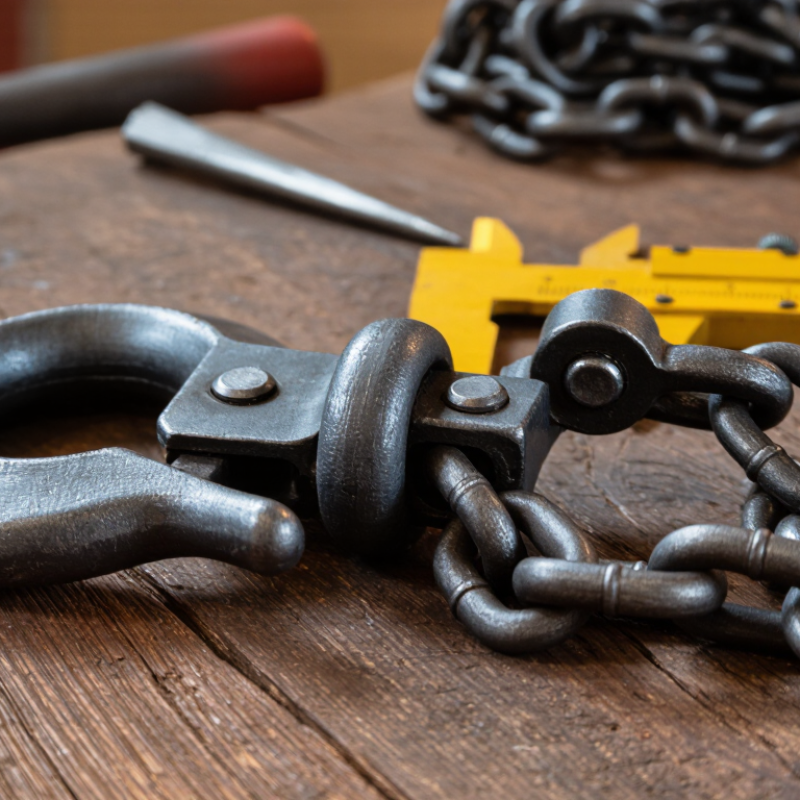
Grab hooks are designed for specific chain tasks, not universal attachment. A Clevis Grab Hook connects directly to compatible chain links and shortens a chain run. An eye grab hook fits an eye-style connection and may suit fixed anchor arrangements. A slip grab hook lets chain pass through more freely, which helps during quick positioning. These types look similar, but their working behavior differs.
Choose a hook that matches the chain diameter, grade, and working load limit. The hook should seat properly inside the link, without twisting or forcing the chain sideways. A narrow throat can reject the wrong chain size. A wide throat may allow poor seating. Never judge compatibility by appearance alone. Read the stamped rating and verify the chain specification. The weakest component controls the safe working capacity.
Inspect the hook before every demanding use. Look for cracks, stretched openings, bent latches, heavy rust, or a visibly worn bearing surface. Do not use a damaged hook for lifting or load restraint. Side loading is another common mistake; the force should follow the hook’s intended direction. I once assumed a larger hook was automatically safer. That assumption was wrong. Weight, geometry, and connection quality matter together. A careful buyer also considers handling: gloves, limited space, and whether the hook can be released without striking the chain. Real conditions are rarely perfect.
Matching Hook Size and Working Load to Your Chain
7 Tips for Buying the Right Grab Hook?
Matching Hook Size and Working Load to Your Chain
A grab hook should fit the chain, not merely look strong beside it. The chain diameter is the starting point, but it is not the whole decision. Check the chain grade, working load limit (WLL), and the hook’s rated capacity. A hook rated below the chain can become the weak link. That failure may happen without visible warning. Measure carefully. Rust, stretching, and bent links can also reduce safe working capacity.
For example, a 10 mm chain does not automatically accept every 10 mm grab hook. Hooks may suit different grades, link shapes, or loading angles. Compare the hook markings with the chain documentation, then verify the lowest WLL. Use the lowest rating in the connection. This simple rule is easy to miss. A side pull can reduce performance and create uneven stress. Keep the load aligned with the hook bowl whenever possible. Never estimate capacity from color, thickness, or a heavy feel.
Before buying, inspect the throat opening and confirm that it seats fully on the chain link. A narrow opening may not engage correctly. A loose fit can allow shifting during lifting or pulling. Also consider shock loads, repeated movement, and exposure to moisture. Working load limits assume controlled conditions. Real work is less tidy. A choice that seems obvious can be wrong after wear appears. Recheck the match before every demanding use.
Checking Material Quality, Finish, and Manufacturing Standards
7 Tips for Buying the Right Grab Hook?
When choosing a grab hook, material quality deserves more attention than appearance. Look for forged alloy steel with a clear grade specification and traceable heat number. The hook should feel dense, balanced, and free from cracks, folds, or sharp forging marks. A polished surface can hide problems. Inspect the throat, eye, and load-bearing edges under strong light.
The finish should protect the hook without covering defects. A consistent coating, such as zinc plating or durable paint, helps resist moisture and abrasion. However, thick paint may conceal poor grinding or incomplete inspection. Check the inside of the hook carefully. That area is often neglected. Small pits can grow under repeated loading, especially in wet or dirty working conditions.
Manufacturing standards provide useful evidence of reliability. Ask for documented working load limits, proof-test records, and dimensional inspection results. Markings should remain readable after handling. The manufacturer should also explain how the hook was forged, heat-treated, and tested. In my experience, vague certificates create more questions than confidence. I once focused too heavily on a clean finish and overlooked unclear traceability. That was a useful reminder. Appearance is only one part of quality. A dependable grab hook combines sound metal, controlled production, honest documentation, and practical inspection before every use.
Confirming Chain Compatibility and Attachment Requirements
7 Tips for Buying the Right Grab Hook?
Confirming Chain Compatibility and Attachment Requirements
A grab hook must match the chain, not merely look strong. Check the chain’s diameter, grade, link shape, and working load limit before buying. A hook designed for a different chain grade may fit physically but fail under tension. That difference matters.
Measure carefully. A narrow throat may not seat fully on the chain link. A wide throat can allow unwanted movement. Inspect the hook’s attachment style, such as a clevis pin, eye, or threaded connection. Confirm that the pin diameter and retaining method suit the chain assembly. The connection needs equal or greater capacity than the chain.
I learned this through a poor fit. The hook appeared secure, but its profile pressed against the link edge. That created uneven loading. The mistake was mine. A short test under controlled, light tension would have exposed it earlier. Check for full seating, smooth load direction, and visible deformation. Never rely on color, weight, or appearance as proof of strength. Use manufacturer specifications and traceable testing information when available. If the chain’s grade is unknown, replace uncertainty with verified components. Compatibility is not a guess. It is a measured relationship between the hook, chain, connector, and intended load.
7 Tips for Buying the Right Grab Hook
Confirming chain compatibility and attachment requirements
The chart shows typical working load limits for Grade 80 lifting chain by nominal chain diameter. Select a grab hook that matches the chain diameter, chain grade, connection geometry, and required working load limit. Always check the stamped ratings and the applicable lifting standard before use.
- Match the hook opening and throat size to the chain link dimensions.
- Confirm that the hook and chain have compatible grades and working load limits.
- Use the correct attachment method, such as a chain shortening grab hook or approved connector.
- Check that the hook seats fully on the chain link without side loading.
- Inspect the latch, bowl, eye, and load-bearing surfaces for wear or deformation.
- Account for sling angles, shock loading, edge contact, and environmental conditions.
- Remove any component that is cracked, stretched, bent, excessively worn, or missing identification.
Evaluating Safety Features, Handling, and Long-Term Maintenance
Buying the right grab hook starts with the load, not the price. Check the working load limit against the chain, sling, or lifting setup. The hook should never become the weakest component. Confirm the correct chain size and connection style before purchase. An impressive-looking hook can still be unsuitable.
Inspect the hook body, throat, latch, and retaining pin. A safety latch can reduce accidental release during handling, but it cannot replace proper loading. The load should sit correctly in the bowl, not on the tip. During a practical check, hold the hook with both hands and look for sharp edges or awkward weight. Keep fingers away from pinch points. Good control matters.
I once focused too much on strength ratings and overlooked handling comfort. That was a poor habit. Long-term maintenance also affects safety. After use, remove dirt and moisture, then dry the hook before storage. Check for cracks, stretching, deep corrosion, bent parts, or a damaged latch. Do not continue using questionable equipment. Mark inspection dates and record repeated problems. Replace worn parts through qualified channels, rather than making improvised repairs. Maintenance is easy to postpone. A small defect can become serious under load.
| Tip | Selection Focus | What to Check Before Buying | Practical Safety and Handling Benchmark | Long-Term Maintenance Considerations |
|---|---|---|---|---|
| 1 | Confirm the Working Load Limit Capacity | Verify that the grab hook has a clearly marked Working Load Limit (WLL) and that the rating matches the chain size and grade. The WLL should be based on the complete lifting or tie-down assembly, not only the hook. | Select a hook whose WLL is higher than the maximum expected working load. Never use a hook when the rating is missing, unreadable, or lower than the load requirement. | Keep load-rating markings clean and legible. Remove the hook from service if the identification or capacity information can no longer be verified. |
| 2 | Match the Hook to the Chain Compatibility | Check that the grab hook is designed for the chain diameter, chain grade, and intended application. The chain should seat naturally in the hook throat without excessive looseness or forced fitting. | The chain should rest securely in the designated load-bearing area. Do not mix components that have incompatible sizes, grades, or load ratings. | Inspect the hook and chain together for uneven wear, distortion, corrosion, and accelerated elongation. Replace mismatched or damaged components as a complete compatible set when necessary. |
| 3 | Inspect the Safety Latch Retention | If the application requires positive retention, look for a properly fitted safety latch or locking mechanism. The latch should close fully, move freely, and resist accidental opening without interfering with the chain. | A latch is a retention aid, not a substitute for correct loading. The load must remain seated in the bowl of the hook rather than on the latch or tip. | Check the latch, spring, pin, and attachment point before each use. Replace bent, weak, cracked, or sticking latch components; do not repair them with improvised hardware. |
| 4 | Examine the Hook Geometry Load Position | Review the throat opening, bowl depth, nose shape, and connection design. A suitable geometry helps the chain remain centered and reduces the chance of point loading or accidental disengagement. | The chain should contact the intended bearing surfaces without sitting on the hook point, latch, or side edge. Avoid side loading, tip loading, and loading across an unsupported opening. | Look for spreading, twisting, cracks, sharp gouges, and permanent deformation. Any visible change in the original shape is a reason to stop using the hook until it has been evaluated. |
| 5 | Assess Handling and Ergonomics Usability | Consider the hook weight, grip area, connection method, and ease of attaching it while wearing gloves. The design should allow controlled positioning without requiring hands to be placed near a pinch point. | Operators should be able to connect and release the hook without striking, forcing, or placing fingers between the hook and chain. Use suitable gloves and maintain stable footing. | Keep the hook free of mud, ice, grease buildup, and debris that could affect grip or latch movement. Store it where it will not create a trip or pinch hazard. |
| 6 | Review Material and Finish Durability | Check the stated material, heat treatment, surface finish, and corrosion protection. For outdoor or wet environments, choose a finish and material appropriate for the expected exposure. | The hook should have an even surface without casting defects, deep scratches, sharp burrs, cracks, or corrosion that affects the load-bearing area. | Clean off contaminants after use, dry the hook before storage, and apply a suitable corrosion-preventive product when recommended. Do not grind, weld, drill, or heat-treat the hook without approved technical guidance. |
| 7 | Plan Inspection and Replacement Lifecycle | Choose a product with traceable markings, inspection guidance, and accessible technical documentation. Establish inspection criteria before the hook enters service. | Inspect before each use and conduct documented periodic inspections according to the application, usage frequency, exposure, and applicable workplace requirements. Remove from service after shock loading or suspected overload. | Replace the hook for cracks, excessive wear, bent or stretched sections, damaged threads or pins, latch failure, severe corrosion, illegible markings, or any condition that prevents safe verification. |
Article Source:
Exclusive Access
Unlimited Resources
Detailed information on our products to assist you with the planning of your cable management project
Register Now