What are the Benefits of Electric Resistance Heating Pipes?
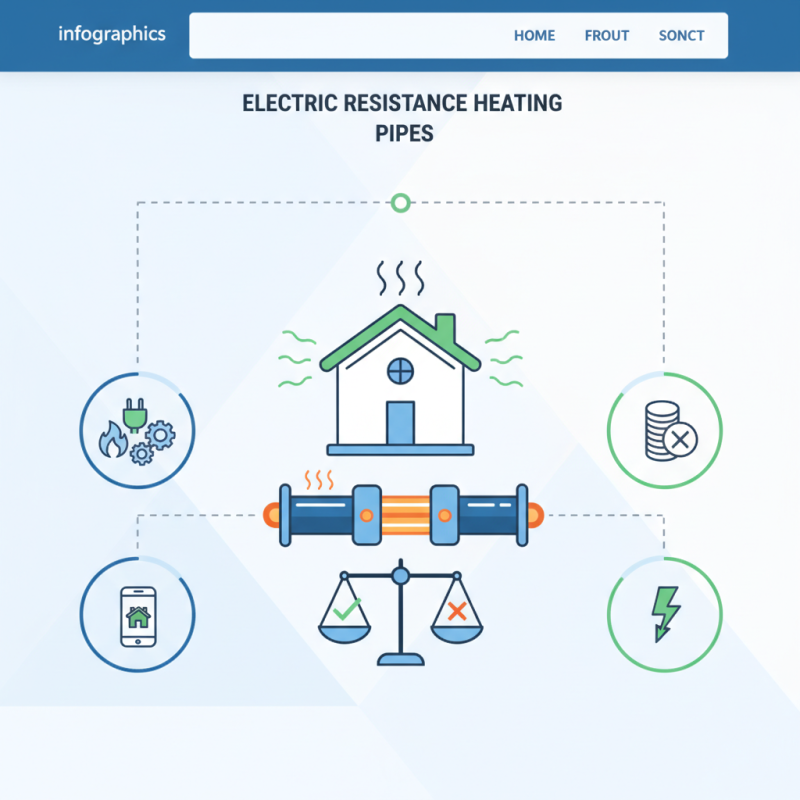
Electric Resistance Heating Pipes offer a unique solution for heating spaces efficiently. These pipes convert electrical energy into heat directly, providing warmth where it's needed. They can be installed in various structures, from residential homes to industrial facilities. This versatility makes them a sought-after option.
One significant advantage is their ability to operate without the need for bulky equipment. Electric Resistance Heating Pipes are often easier to maintain. They can be outfitted with smart technology, allowing homeowners to control heating remotely. This can lead to cost savings over time.
However, potential users should consider a few factors. The initial installation cost can be higher than traditional heating methods. Additionally, reliance on electricity may be a concern in areas prone to outages. Researching local energy rates is essential. Electric Resistance Heating Pipes can be an effective choice, but they may not suit every situation. Balancing the pros and cons is vital for anyone considering this heating option.
Overview of Electric Resistance Heating Pipes
Electric resistance heating pipes are an efficient method for space heating. These systems convert electrical energy into heat using resistive materials. They offer numerous advantages in both residential and commercial settings.
One significant benefit of electric resistance heating pipes is their ease of installation. Unlike traditional heating systems, these pipes require minimal infrastructure. They can fit into various spaces without major renovations. According to a 2022 report by the International Energy Agency, electric resistance heating can achieve 100% efficiency in onsite energy use, making it a compelling choice for consumers.
Tip: When considering heating options, evaluate your space's specific needs. Sometimes electric heating may not be the best option for larger areas.
Electric resistance heating also provides precise temperature control, allowing users to set and maintain their preferred comfort levels. Additionally, these systems are environmentally friendly when paired with renewable energy sources. A study from the Department of Energy found that homes powered by solar energy and electric resistance heating significantly reduced carbon footprints.
Tip: Keep in mind that your electricity source impacts the sustainability of your electric heating system. Always check local energy resources for the best options.
Despite these benefits, some drawbacks exist. Electric resistance heating can lead to high utility costs in regions with expensive electricity. Users should carefully assess long-term costs before committing to this system. Understanding your heating needs is crucial for optimizing efficiency and savings.
Benefits of Electric Resistance Heating Pipes
Energy Efficiency of Electric Resistance Heating Systems
Electric resistance heating pipes offer significant energy efficiency benefits, especially in residential and commercial buildings. These systems convert nearly all the electrical energy into heat, achieving efficiency rates close to 100%. According to the U.S. Department of Energy, electric resistance heating can be more efficient than traditional heating systems, particularly in areas with mild winters.
However, the efficiency of electric resistance heating is contingent upon the source of electricity. If the electricity comes from renewable sources, the overall environmental impact is minimal. In contrast, regions relying on fossil fuels may see higher carbon footprints, raising concerns about sustainability. The heat output from these systems is instantaneous, reducing heat loss during operation and offering better control over indoor climates.
Adopting electric resistance heating may not be feasible for all scenarios. For larger spaces or harsh climates, these systems might incur higher operational costs. An efficiency study by the National Renewable Energy Laboratory highlights that while initial investments may be lower, the long-term utility costs need careful analysis. Users should assess their energy consumption patterns thoughtfully to ensure maximum benefit.
Installation Process for Electric Resistance Heating Pipes
The installation process for electric resistance heating pipes can be straightforward, but it requires careful planning. Begin by assessing the space where the pipes will be placed. Measure the area to ensure accurate pipe lengths. Consider the layout as well; straight runs may be easier than curves. You need to determine the power supply needed for the installation.
Next, prepare the surface where the pipes will be installed. Ensure it is clean and dry. Some surfaces may require insulation to improve efficiency. Follow local electrical codes to connect power sources. Utilizing qualified electricians is recommended for safety. Pipes must be securely attached to prevent movement or damage during use.
It's also worth noting that, while electric resistance heating can be efficient, not all installations go smoothly. Poor planning can lead to insufficient heating or unexpected costs. Some homeowners might overlook insulation, creating heat loss issues. Regular maintenance is vital to ensure long-term efficiency and effectiveness. Understanding these challenges can help you make informed decisions.
Safety Features of Electric Resistance Heating Technology
Electric resistance heating technology offers several safety features that enhance its reliability for home and industrial use. According to industry reports, electric resistance heating systems are designed with advanced safety mechanisms to minimize risks. For example, many systems are equipped with automatic shut-off features, which activate if the unit overheats or experiences an electrical fault. This significantly reduces the chances of fire hazards, making it a preferred choice for many homes.
Another important aspect is the incorporation of temperature sensors that monitor heat levels continuously. Data shows that such sensors can help regulate temperatures effectively, preventing overheating. In fact, studies indicate that homes using these systems can see a decrease in heating-related accidents by up to 30%. Additionally, electric resistance heating pipes eliminate the need for combustible fuels, thereby lowering the risk of gas leaks.
While the reliability of electric resistance heating is considerable, challenges remain. Some users report the systems can be less efficient in extremely cold temperatures, which leads to increased energy consumption. Achieving a balance between safety and efficiency requires ongoing research and development in the field. Overall, the safety features of this technology provide substantial peace of mind to users, making it a valuable option in residential and commercial heating solutions.
Maintenance Tips for Optimal Performance of Heating Pipes
To maintain optimal performance of electric resistance heating pipes, regular maintenance is essential. Start by checking the power supply and ensure connections are tight. A loose connection can lead to inefficiency. Inspect the pipes for any signs of corrosion or damage. Even a small crack can worsen over time. Maintaining the integrity of the pipes helps prevent costly repairs.
Cleaning is another key aspect. Dust and debris accumulate over time. Use a damp cloth to wipe down exposed pipes. This simple step can improve heat efficiency. Ensure the area around the pipes is free from obstructions. Overhanging items or furniture can block heat distribution. Each inspection should take a few minutes but can save you money in the long run.
Sometimes, performance issues arise despite your best efforts. If the pipes don't heat effectively, it’s worth investigating further. You may need to consult a professional for more in-depth analysis. An expert can identify issues that are not immediately visible. Recognizing the limits of DIY maintenance is crucial for effective upkeep. Regular checks and awareness can lead to a more comfortable living space.
What are the Benefits of Electric Resistance Heating Pipes? - Maintenance Tips for Optimal Performance of Heating Pipes
| Benefits | Description |
| Energy Efficiency | Electric resistance heating pipes convert nearly all electrical energy into heat, resulting in minimal energy loss. |
| Low Maintenance | These systems require less maintenance compared to traditional heating systems, as there are no moving parts or fuel emissions. |
| Quick Heating | Electric resistance heating pipes can rapidly increase room temperature, providing immediate comfort. |
| Versatility | They can be installed in various locations including floors, walls, and ceilings, making them suitable for different spaces. |
| Environmentally Friendly | When powered by renewable energy sources, electric resistance heating is an eco-friendly heating option. |
| Maintenance Tips | Description |
| Regular Inspection | Schedule routine checks to identify any signs of wear or necessary repairs. |
| Clean Surrounding Areas | Keep the areas around heating pipes clear of debris and dust to ensure optimal airflow. |
| Check for Leaks | Look for any signs of leakage or corrosion in the pipes during inspections. |
| Monitor Temperature Settings | Ensure thermostat settings are appropriate for the space to avoid unnecessary energy use. |
| Hire Professionals for Repairs | Consult with certified technicians for any repairs to ensure safety and efficiency. |


