Best DC AC Power Inverter for Your Home and RV Needs?
In today's evolving energy landscape, the need for reliable power solutions is paramount. A DC-AC Power Inverter is essential for converting battery power into usable AC energy. It serves households and RV users alike, providing flexibility and convenience. According to the U.S. Department of Energy, over 6 million RVs are on the road, highlighting a significant market for portable power solutions.
Selecting the right inverter is not straightforward. Factors such as wattage needs, peak power capabilities, and efficiency ratings must be considered. A recent report from the Solar Energy Industries Association suggests that efficient inverters can improve overall system performance by up to 30%. Such data underscores the importance of choosing a product that meets your specific requirements.
Despite the availability of various models, consumers often overlook the importance of quality and reliability. Brand reputation can significantly influence purchasing decisions. Investing in a reputable DC-AC power inverter is critical for long-term satisfaction. Reflecting on personal experiences can guide choices, ensuring you invest wisely for your power needs.
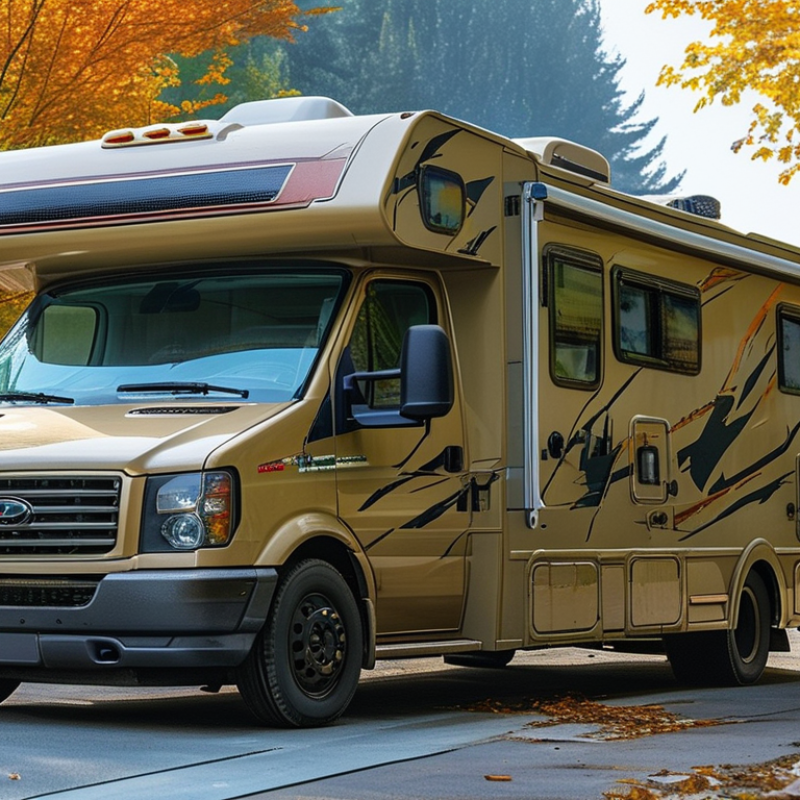
Overview of DC and AC Power Inverters for Home and RV Use
When considering power inverters for home and RV use, understanding the differences between DC and AC is crucial. Direct current (DC) comes from batteries and solar panels, while alternating current (AC) is what household appliances require. An effective inverter converts DC power into usable AC power, enabling the operation of standard home electronics. According to the U.S. Department of Energy, a reliable inverter can provide up to 90% efficiency in energy conversion. This means that investing in quality equipment is essential for optimal performance.
For RV enthusiasts, choosing the right inverter affects their travel experience. Many RVs come equipped with a built-in inverter, but these may not meet all power needs. Research indicates that around 60% of RV users prefer installing separate inverters for their appliances, improving reliability. The right specifications depend on the devices used—higher wattage inverters can handle more devices simultaneously. However, larger inverters can be bulky and consume more power when idle, leading to waste.
In home settings, the usage of inverters is becoming increasingly common. An industry report from the International Energy Agency notes a rising trend in renewable energy adoption, pushing for more efficient inverters. Homeowners should assess their requirements carefully. Oversizing an inverter can overstrain the energy source, negatively impacting efficiency. A careful balance ensures sustainable energy consumption while promoting healthier power practices.
Key Features to Consider When Choosing a Power Inverter
When choosing the best DC AC power inverter for your home and RV, several key features must be considered. The wattage capacity is crucial, as it determines the devices you can power. Most household appliances and RV equipment require inverters rated between 300 to 3000 watts. A study by the Global Energy Storage Alliance suggests that exceeding your inverter's capacity can lead to failure or damage.
Efficiency matters too. Look for inverters with high conversion rates. Inverters with an efficiency level of over 90% minimize energy loss and save you money in the long run. Additionally, check for safety features like overload protection and short-circuit prevention. These features enhance reliability and prevent potential hazards.
Tips: Before making a purchase, calculate your total wattage needs. This ensures you select an inverter that meets your requirements. Understanding the type of wave output—pure sine wave versus modified sine wave—is essential. Pure sine wave inverters provide cleaner power, ideal for sensitive electronics. Remember, investing in a quality inverter can ultimately result in fewer issues and lower long-term costs. Reflect on your specific needs and choose wisely.
Best DC AC Power Inverter for Your Home and RV Needs? - Key Features to Consider When Choosing a Power Inverter
| Feature | Description | Importance | Recommendation |
| Power Output | Measured in watts, determines the number and type of devices that can be powered. | Essential for ensuring the inverter meets your power needs. | Choose an inverter that exceeds your total wattage requirements. |
| Input Voltage | The voltage from your batteries; commonly 12V or 24V. | Important for compatibility with your power source. | Match the inverter with your battery's voltage. |
| Waveform Type | Pure sine wave or modified sine wave; affects the operation of devices. | Pure sine wave is better for sensitive electronics. | Opt for pure sine wave for optimal performance. |
| Safety Features | Includes protections against overload, short circuit, and overheating. | Crucial for preventing damage to devices and ensuring user safety. | Look for multiple safety certifications and features. |
| Portability | Weight and size of the inverter, important for RVs and mobile use. | Essential for convenience and ease of transport. | Consider compact design if using in an RV. |
| Efficiency Rating | Represents how much of the battery's power is converted into usable power. | Higher efficiency means better battery life and performance. | Choose inverters with 80% or higher efficiency. |
Comparative Analysis of Popular DC AC Inverter Brands and Models
When selecting a DC AC power inverter, consider the capacity and features. Inverters come in various sizes and power ratings. A unit rated for 2000 watts may suit your home appliances or RV needs. Ensure it can handle your device loads without overheating.
Look for inverters with multiple outlets and USB ports. Some models offer built-in safety features like short circuit protection. These add an extra layer of reliability. Evaluate your energy requirements carefully. Oversizing an inverter can lead to wasted energy and unnecessary costs.
Tips: Always check the efficiency rating. A higher rating indicates less energy loss. This can lead to savings over time. Also, think about portability if you plan to move your inverter frequently. Lightweight models might be beneficial for RV users. Keep in mind that not all inverters are created equal. Doing thorough research pays off in the long run.
Installation and Maintenance Tips for Home and RV Power Inverters
When considering the installation of a power inverter for your home or RV, several key factors must be addressed. Proper installation ensures maximum efficiency and safety. First, choose the right location. Inverters generate heat. Placing them in a well-ventilated area is crucial. A study by the National Renewable Energy Laboratory indicates that optimal airflow can reduce heat by up to 30%. This doesn't just improve efficiency; it extends the inverter's lifespan.
Regular maintenance is equally important. Schedule routine inspections every six months. Check for loose connections and frayed wires. According to the Electrical Safety Foundation International, about 30% of electrical fires originate from faulty wiring. These inspections can mitigate hazards and improve performance. Cleaning the inverter's exterior can also prevent dust buildup, which can impede cooling. A simple wipe-down can enhance airflow and efficiency significantly.
Reflecting on common issues, many users overlook battery care. Maintaining proper battery levels is essential for inverter functionality. A study revealed that 40% of inverter failures stem from neglected batteries. Users often wait too long between checks, leading to unexpected downtime. Set reminders to foster proactive maintenance habits. Investing time in these practices can help ensure your inverter meets both home and RV needs effectively.
Safety Considerations When Using Power Inverters in Residential and RV Settings
When using power inverters in residential and RV settings, safety is paramount. These devices convert DC power from batteries to AC power for household appliances. Overloading the inverter can lead to overheating and potential damage. It’s essential to know the wattage of your devices and ensure your inverter can handle the load.
Proper ventilation is crucial. Inverters generate heat during operation, and inadequate airflow can cause malfunctions. Position the inverter in a well-ventilated area, ideally away from direct sunlight. Keep an eye on the temperature during use. If it feels too hot, consider reducing the load.
Battery safety should also be a priority. Ensure your batteries are in good condition and are the correct type for your inverter. Incorrect connections can result in fires or explosions. Regular maintenance checks are necessary to prevent accidents. Listen for unusual sounds or smells from your inverter, which may indicate a problem. Taking these precautions will greatly enhance your safety and the longevity of your power inverter.


