2026 Best Electric Forklift Battery Options for Global Buyers?
The global lift truck market is evolving rapidly, with increasing demand for Electric Forklift Battery options. According to recent market analysis reports, the electric forklift segment is expected to reach $24 billion by 2026, reflecting a significant shift toward sustainability in logistics and warehouse operations. The use of electric forklifts not only reduces emissions but also enhances operational efficiency.
Electric Forklift Battery technology is advancing, driven by new materials and innovative designs. Lithium-ion batteries have emerged as a popular choice, offering longer lifespan and faster charging times compared to traditional lead-acid batteries. However, challenges remain in terms of upfront costs and recycling processes. These factors require careful consideration for businesses planning to transition to electric solutions.
While many companies recognize the benefits of adopting electric forklifts, some hesitate due to perceived obstacles. It's crucial to weigh the long-term advantages against initial investments. Understanding these dynamics helps global buyers make informed decisions. Selecting the right Electric Forklift Battery is essential for optimizing performance and achieving greater sustainability in material handling.
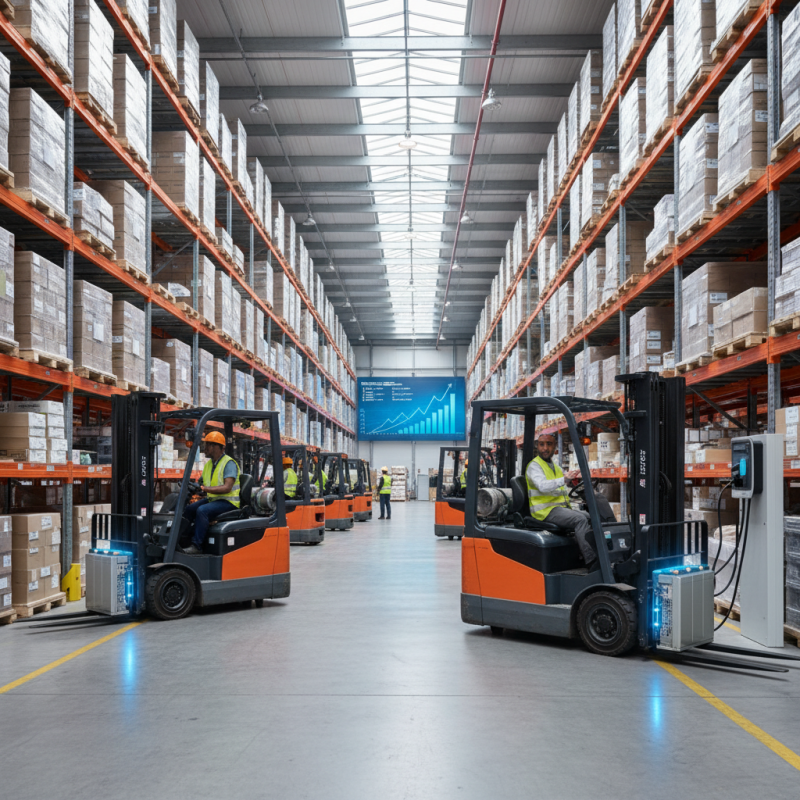
2026 Electric Forklift Battery Overview and Importance in Logistics
Electric forklift batteries play a crucial role in logistics. They are responsible for powering vehicles that handle heavy loads in warehouses and distribution centers. A reliable battery ensures smooth operations and minimizes downtime. When selecting a battery, factors like capacity, lifespan, and charging time matter significantly. An inadequate choice can lead to inefficiencies and increase operational costs.
The growing demand for sustainable solutions in logistics highlights the importance of efficient electric forklift batteries. They contribute to reducing carbon footprints and promoting environmental responsibility. However, not all batteries are created equal. Users must consider maintenance needs and potential performance issues. Purchasing decisions should reflect not only immediate needs but also future scalability, aligning with evolving industry standards.
The landscape of electric forklift batteries is constantly shifting. Emerging technologies offer advanced features, but they often come at a higher cost. Buyers must weigh these options carefully. It's essential to seek expert guidance to navigate this complex market. Balancing budget constraints with operational efficiency requires thoughtful consideration. Each decision can have long-lasting implications for productivity and sustainability.
2026 Electric Forklift Battery Options Comparison
Types of Electric Forklift Batteries: Technologies and Features
Electric forklifts rely heavily on their batteries for efficiency and performance. The types of electric forklift batteries vary, each with unique technologies and features. Lithium-ion batteries have gained immense popularity. They charge quickly and have a longer lifespan. Their lightweight design enhances vehicle performance, but initial costs can be higher. Users often wonder if the investment pays off over time.
Lead-acid batteries remain a traditional option. They are cost-effective and easily accessible. However, they require regular maintenance and have a shorter lifespan. Users might face issues with charging cycles. Safety concerns can arise due to battery leakage and potential hazards. Gel and absorbed glass mat (AGM) variants offer a middle ground. These batteries are safer and maintain better performance in extreme conditions, yet they are not as widely adopted.
Choosing the right battery involves weighing the pros and cons of each type. Battery management systems can enhance efficiency but add complexity. Color-coded terminals might aid in installation but can confuse some users. Electric forklift batteries require careful consideration to match specific operational needs. Understanding these characteristics is crucial for optimizing productivity and minimizing downtime.
Top Global Brands Offering Electric Forklift Batteries in 2026
In 2026, the electric forklift battery market is set to feature a variety of leading brands. These manufacturers focus on reliability, performance, and sustainability. The demand for electric forklifts is increasing due to their efficiency and low environmental impact. As companies seek to optimize their operations, battery choice plays a pivotal role.
Innovative designs and advanced technologies are shaping the offerings from global brands. Some batteries now feature rapid charging capabilities, reducing downtime. Others emphasize longer lifespans and improved energy density. Yet, it's essential for buyers to consider their specific needs before making a decision. Different applications require different battery specifications. Each warehouse or facility has unique challenges.
While some options appear superior on paper, real-world performance may vary. Testing batteries under actual working conditions often reveals strengths and weaknesses not evident in specifications. Feedback from users plays an invaluable role in guiding potential buyers. The landscape of electric forklift batteries is evolving, and understanding both the benefits and limitations is crucial for smart investment.
Factors to Consider When Choosing an Electric Forklift Battery
When selecting an electric forklift battery, several key factors should be considered. Battery type is critical. Lithium-ion batteries offer extended life and quick charging. Lead-acid batteries are more common but come with longer charging times and shorter lifespans. Your usage patterns will dictate the best choice.
Tips: Always evaluate the daily operational hours. If you operate for extended periods, a high-capacity battery may be essential.
Capacity and size matter significantly. The battery must fit your forklift and provide sufficient power for your operations. A mismatch can lead to inefficiency and increased costs. Analyze the weight distribution too, as it impacts the forklift’s stability.
Tips: Create a maintenance schedule. This simple step can prevent serious issues and extend battery life.
Maintenance requirements differ between battery types. Lithium-ion requires less upkeep compared to lead-acid, which needs regular water checks. Consider your team’s ability to maintain the batteries. Proper training can minimize costly errors.
Reflect on your long-term goals. As your business grows, your battery needs may change. Future-proofing your investment can save time and resources later. Plan accordingly to ensure consistent performance as demands shift.
Future Trends in Electric Forklift Battery Technology and Sustainability
The electric forklift industry is evolving rapidly. Future innovations will focus on sustainability and efficiency. Advanced battery technologies are paving the way for greener operations. Li-ion and solid-state batteries are likely to dominate the market. They promise longer life cycles and faster charging times, which can reduce operational downtime.
Tips: When selecting a battery option, consider energy efficiency and lifespan. Researching real-world performance data helps in making an informed choice.
Emerging trends indicate a shift towards recycling and second-life applications for batteries. Understanding the environmental impact is essential. Companies are urged to think critically about battery disposal methods. Creating a sustainable supply chain is a growing priority.
Tips: Engage with suppliers who prioritize sustainability. Ask for their recycling programs and future technology integrations. This proactive approach can enhance your operational sustainability.


