Best Forklift Collision Detection System Solutions for Safety?
In today’s fast-paced industrial environments, safety remains a top priority. Forklifts are essential tools for material handling, but they pose significant risks to workers and assets. The implementation of a Forklift Collision Detection System can dramatically reduce these risks. These systems use advanced sensors and technology to identify potential collisions before they occur.
Monitoring blind spots and detecting the presence of pedestrians are crucial capabilities. Many businesses are embracing this technology. However, understanding which system is best for specific needs remains a challenge. Various solutions come with different features and price points. Companies must weigh the pros and cons carefully.
It’s not enough to simply install a system and assume safety is ensured. Continuous training and monitoring are needed. As technology evolves, so do the challenges. Investing time and resources can create a safer workplace. Yet, without proper implementation, even the best systems can fall short. The right Forklift Collision Detection System can save lives and enhance operational efficiency, but critical evaluation is essential.
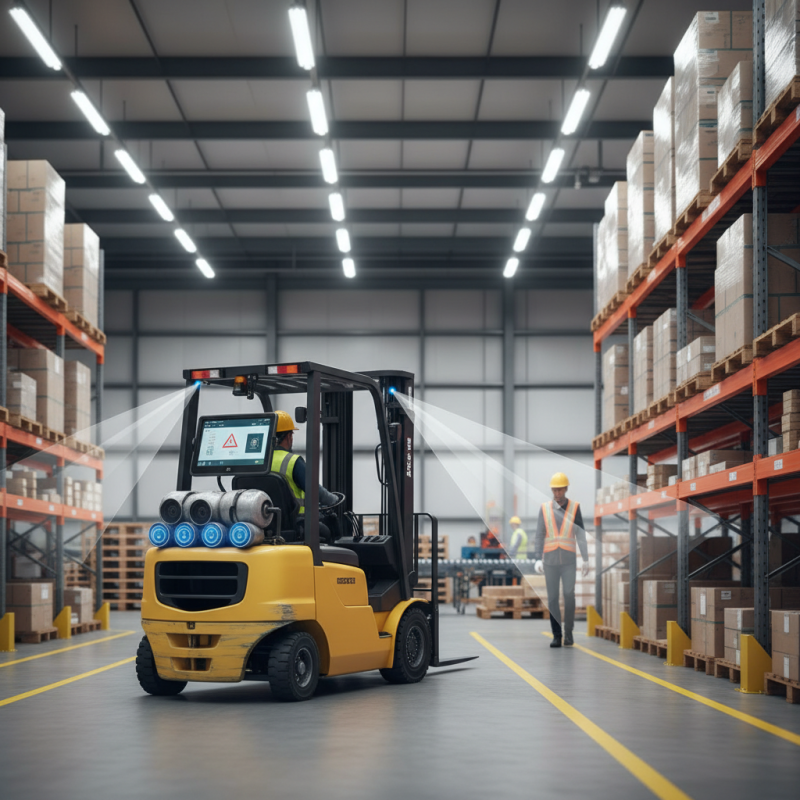
Best Forklift Collision Detection System Solutions for Safety
In modern warehouses and distribution centers, safety is paramount. Forklift collision detection systems are crucial in preventing accidents. Research shows that nearly 85% of forklift-related accidents are caused by collisions. Implementing an effective detection system can significantly reduce these incidents.
Technology like ultrasonic sensors and radar systems provide real-time monitoring of forklift activity. These systems alert operators to potential collisions, ensuring prompt action. According to a recent industry report, facilities using advanced detection systems saw a 50% reduction in accidents over three years. However, not all systems provide the same level of reliability, and ongoing training is essential for workers to respond appropriately to alerts.
Despite advancements, challenges remain. Some detection systems may have blind spots, particularly in crowded environments. Regular maintenance and recalibration are necessary to ensure consistent performance. Furthermore, managers must continuously evaluate their safety protocols, as a one-size-fits-all approach may not suit every facility. Constant reflection on system performance is essential for improvement.
Understanding the Importance of Forklift Collision Detection Systems
Forklift collision detection systems play a crucial role in workplace safety. According to the National Safety Council, forklifts are involved in approximately 100,000 accidents annually in the U.S. alone. These incidents lead to serious injuries and even fatalities. Implementing a reliable collision detection system can significantly reduce these risks, making environments safer for both operators and pedestrians.
Visibility and awareness are critical in busy warehouses. A recent industry report states that nearly 25% of forklift accidents occur due to visibility issues. Collision detection systems enhance situational awareness by using sensors and alarms. They provide real-time feedback to operators, preventing potential collisions before they occur. Investing in these systems shows a commitment to safety and can reduce liability costs.
Tips for choosing a collision detection system include assessing the layout of your facility and understanding the traffic patterns. Look for systems that offer customizable alerts. Ensure the technology fits your specific needs. The right choice can lead to substantial decreases in accidents, but not all solutions are perfect. Continuous evaluation is necessary to adapt to evolving safety needs. Make sure to engage employees in the process, as their insights can lead to better implementation.
Key Features to Look for in Collision Detection Systems
When evaluating forklift collision detection systems, it’s crucial to identify key features. A reliable system should include real-time alerts. This minimizes accidents by providing immediate feedback. Proximity sensors are essential. They help in detecting nearby obstacles. These sensors can prevent collisions by alerting operators in advance.
Tips: Regular maintenance of detection systems is vital. Check sensors for dirt or damage. This ensures optimal performance. Operators should receive proper training on using the system. Familiarity can enhance safety.
Another important feature is data analytics. A system that logs incidents can help improve safety measures. Analyzing patterns in near-miss situations is beneficial. It identifies high-risk zones in the workplace. Consider systems that offer customizable alerts. Such features can cater to specific operational needs. They enhance overall efficiency but can also distract if not managed well.
Tips: Encourage a culture of safety. Regularly discuss collision data with the team. Learning from past incidents is impactful. Prioritize open communication about safety concerns to foster awareness.
Industry Statistics: Impact of Forklift Accidents on Workplace Safety
Forklift accidents are a significant hazard in modern workplaces. Statistics show that these incidents contribute to numerous injuries and fatalities each year. In the United States alone, forklift-related fatalities average about 100 annually, while thousands more suffer serious injuries. These incidents often result from collisions, improper training, or a lack of awareness among operators.
The impact of these accidents stretches beyond immediate harm. Companies face increased insurance costs, damaged equipment, and lost productivity. Studies indicate that workplaces with poor safety practices can see a 15% rise in operational costs. Businesses must prioritize safety to mitigate these risks. Effective collision detection systems can substantially reduce accident rates. They alert operators in real-time, providing crucial feedback that can prevent dangerous situations.
Despite advancements, the effectiveness of these systems often hinges on proper implementation and employee training. Many organizations overlook the need for continuous education on safety protocols. Regular assessments can reveal blind spots in safety measures, highlighting areas needing improvement. This ongoing reflection is vital for fostering a culture of safety and ensuring that employees feel secure in their environment.
Best Forklift Collision Detection System Solutions for Safety
| Category | Accident Rate (%) | Injury Severity Level | Detection System Effectiveness (%) | Industry Sector |
| Manufacturing | 20 | Moderate | 85 | Factory & Warehouse |
| Retail | 15 | Low | 90 | Stores & Distribution |
| Construction | 30 | Severe | 70 | Site Operations |
| Logistics | 18 | Moderate | 88 | Transport & Shipment |
| Healthcare | 10 | Low | 92 | Hospitals & Clinics |
Evaluating the Top Collision Detection Solutions in the Market
In the fast-paced world of warehousing and logistics, safety remains paramount. Forklifts are integral to operations but can pose a significant risk. Studies show that nearly 25% of forklift accidents result in serious injuries. Hence, implementing collision detection systems is essential. These systems employ sensors and cameras to monitor the environment around forklifts, helping prevent accidents before they occur. Recognizing the top solutions in the market can make a crucial difference in mitigating risks.
One promising technology is the optical sensor system, which provides a 360-degree view. This capability enables early detection of people and obstacles within proximity. Reports indicate that these systems can reduce collision incidents by up to 50%. Another effective solution involves radar-based systems, which can function well in various weather conditions. Although these systems improve safety, challenges remain. The integration process can be complex, and maintenance requires ongoing commitment. Ensuring proper training for operators is equally vital to maximizing the effectiveness of collision detection technologies.
Innovation in this area continues to evolve. Newer models now feature advanced AI algorithms that learn from past incidents, enhancing their predictive capabilities. However, reliance on technology alone may foster complacency among staff. Regular safety audits and operator engagement are necessary to maintain an effective safety culture. Experts emphasize that a comprehensive approach, combining technology and human vigilance, is key to minimizing forklift-related hazards.
Conclusion
The article "Best Forklift Collision Detection System Solutions for Safety" emphasizes the critical role of Forklift Collision Detection Systems in enhancing workplace safety. These systems are essential for preventing accidents in busy environments where forklifts operate alongside personnel and other equipment. Understanding the features that define an effective collision detection system, such as accuracy, responsiveness, and ease of integration, is vital for organizations aiming to improve safety standards.
Additionally, the article presents alarming industry statistics that highlight the prevalence and impact of forklift-related accidents, underscoring the need for robust safety measures. By evaluating various collision detection solutions available in the market, along with case studies showcasing successful implementation in warehouses, readers gain valuable insights into how to protect their workforce and minimize risks associated with forklift operations. Overall, investing in a high-quality Forklift Collision Detection System is not only a proactive measure but also a crucial responsibility for ensuring a safe working environment.


