What is the Best Frequency Converter for Global Buyers?
In today’s increasingly global market, selecting the right Frequency Converter can be a daunting task for buyers. Experts suggest that understanding the specific needs of your application is crucial. For instance, John Larson, a leading authority in power electronics, once stated, “Choosing the right Frequency Converter directly impacts operational efficiency and equipment longevity.”
The variability of voltage and frequency standards across regions complicates decisions for international buyers. Not all converters are designed equally, and variations in technology can make a significant difference. Factors such as load type, application requirements, and environmental conditions play a crucial role in determining the best fit. Additionally, the energy efficiency of the chosen device can considerably affect long-term operational costs.
Moreover, as reliable as many Frequency Converters are, users should be aware that not all brands deliver on their promises. The market is filled with options, but not every product guarantees durability or performance. Hence, ongoing research and expert consultation are essential for any buyer seeking the most effective solution. The quest for the ideal Frequency Converter requires both technical insight and critical evaluation of options available in the market.
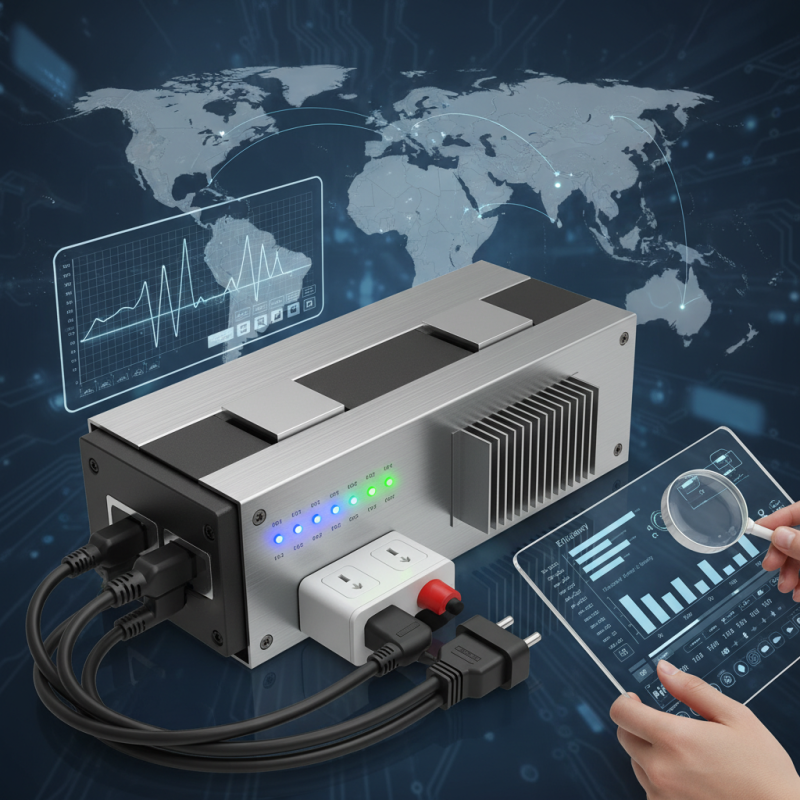
Overview of Frequency Converters and Their Importance in Global Markets
Frequency converters play a crucial role in various industries worldwide. They help in adjusting the frequency of electrical energy to match the requirements of different machines and applications. For global buyers, understanding these devices is essential for optimizing operations. By converting power from one frequency to another, these converters enhance equipment performance, leading to better productivity.
In the global market, the importance of frequency converters cannot be overstated. Industries such as manufacturing, renewable energy, and transportation heavily rely on them. The choice of the right converter can significantly impact efficiency and energy consumption. Many buyers face challenges in selecting a suitable model due to a variety of specifications and requirements. Not all converters are equally reliable; some may not perform as expected in harsh conditions. Buyers need to conduct thorough research and analysis before making a decision.
While frequency converters can offer numerous benefits, selecting the wrong type can lead to performance issues. Understanding voltage compatibility and load requirements is critical. Many businesses overlook these factors, which can result in operational setbacks. Comparing different products and consulting with industry experts can help mitigate risks and ensure better outcomes.
Global Frequency Converter Demand by Region
Key Features to Consider When Selecting a Frequency Converter
When selecting a frequency converter, several key features require attention. One significant aspect is the input and output voltage range. Reports indicate that 85% of users prefer models that adapt to multiple voltage levels. This adaptability enhances usability in various international settings. Additionally, understanding the power capacity can prevent compatibility issues. Capacity ratings should match load requirements to avoid operational failures.
Another essential feature is the efficiency rating. Data shows that high-efficiency converters can reduce energy loss by up to 20%. This efficiency translates to cost savings over time. Advanced cooling technologies can also improve longevity and performance. For instance, converters with enhanced cooling can work optimally in higher ambient temperatures, ensuring reliability.
User interface and control options matter too. Intuitive designs facilitate easier monitoring and adjustments. Consider the presence of digital displays or remote monitoring capabilities. These features can contribute to better management and operational efficiency. Reflecting on these factors is important; overlooking any might lead to costly downtime.
Types of Frequency Converters Suitable for Different Applications
When selecting a frequency converter, it is crucial to consider the specific applications. Various types of frequency converters cater to different needs. For instance, static frequency converters are ideal for fixed-speed applications. They provide reliable power transformation for industrial machinery. On the other hand, dynamic frequency converters suit varying load conditions. These converters adjust to fluctuations, ensuring consistent performance.
Tips: Always assess your power requirements before choosing a converter. Proper evaluation prevents under or over-sizing.
In some scenarios, hybrid frequency converters might be a good compromise. They combine features of both static and dynamic types, offering versatility. This can be beneficial in environments with changing demands. However, they might not be the best fit for every application. Users should weigh the pros and cons carefully.
Regular maintenance is necessary to keep frequency converters operating efficiently. Neglect can lead to performance issues or even damage. It’s essential to monitor their condition periodically. This is often overlooked but can save costs in the long run.
Top Brands in the Frequency Converter Market for Global Buyers
Choosing the right frequency converter is crucial for various applications. Global buyers must consider several factors before making a decision. Key brands on the market offer diverse options tailored to different needs. These brands emphasize reliability, efficiency, and user-friendliness, ensuring their products cater to various sectors.
When selecting a frequency converter, it is essential to assess the power requirements of your equipment. This ensures optimal functioning and prevents potential failures. Users often overlook the importance of load compatibility, which can lead to inefficiencies. It's advisable to consult with an expert if you're unsure about your specific requirements.
Another important consideration is the level of customer support provided by the brand. A good warranty and responsive customer service can save you time and money in the long run. Buyers should look for companies that offer comprehensive after-sales support. Don't hesitate to reach out to the brand before making a purchase. Ask questions about installation and long-term maintenance. Such interactions can provide insights into the brand’s reliability and service quality.
Cost Analysis and Budgeting for Frequency Converter Purchases
When considering the purchase of a frequency converter, cost analysis is vital. Buyers often face various models with different price ranges. Understanding these costs can lead to more informed decisions. For instance, basic models may start at a lower price but could lack essential features. Higher-end models, while more expensive, may offer enhanced efficiency and longer lifespans. Buyers should weigh the benefits of investing in better technology against their budget constraints.
Budgeting also involves assessing potential long-term savings. A more reliable frequency converter can reduce maintenance costs and energy consumption. It's crucial to estimate these savings accurately. However, many buyers overlook hidden costs, like installation and training. These can add to the overall expense and affect financial planning. Taking the time to explore different vendors and reading reviews can help identify trustworthy suppliers. This research phase often reveals insights that are not immediately apparent.
Lastly, while aiming for the best technology, it’s essential not to compromise on compatibility with existing systems. Misalignment can lead to inefficiencies and unexpected costs. Buyers should reflect on their actual needs versus features offered. It’s about finding the right balance, which may involve tough decisions. Seeking expert advice can help clarify these choices, ensuring that the investment yields the desired outcome for operations.


