10 Best Ladder Cable Tray Suppliers for Global Buyers
A ladder cable tray can look simple on a supplier’s product page. On site, its rung spacing, side-rail height, finish, and fittings affect installation time and cable support. For global buyers, the challenge is comparing more than price. Manufacturing consistency, clear load data, dependable documentation, and responsive technical support matter too.
Cable-tray consultant Daniel Reed offers this practical reminder: “Choose the tray for the route, load, and environment—not just the catalog image.” This is an editorially created expert viewpoint, not a verified quotation from a named industry professional. That distinction matters; buyers should verify claims with supplier documents and project engineers.
This guide reviews ten ladder cable tray suppliers for international procurement teams. It considers product range, customization, material options, export experience, quality controls, and communication. A coastal installation may need different corrosion protection from a dry indoor warehouse. A long cable run may also require careful attention to span and loading details. Small differences count.
The comparison is a starting point, not a substitute for engineering review. Supplier websites can leave gaps. Request drawings, load tables, finish specifications, and sample documentation before shortlisting. Then check whether answers are specific and consistent. That takes time. It can prevent costly surprises later.
Understanding Ladder Cable Trays and Their Global Applications
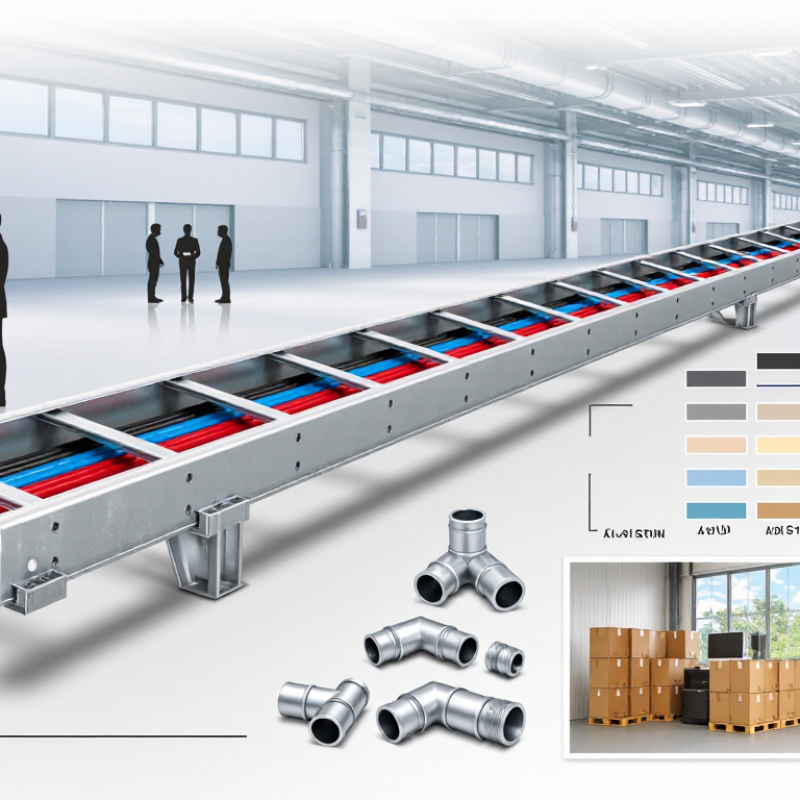
Ladder cable trays support power, control, and data cables across factories, tunnels, renewable-energy sites, and data centers. Their open rungs improve airflow and allow technicians to inspect cables without removing a solid cover. In practice, this saves time during testing and later maintenance. It can also expose cables to dust, falling objects, or moisture.
The global application is expanding with electrification. The International Energy Agency reported that data centers consumed about 460 TWh of electricity worldwide in 2022. It expects demand to exceed 1,000 TWh by 2026. More electrical capacity means denser cable routes and stricter thermal planning. Ladder trays help separate high-voltage circuits, control wiring, and communication lines. However, tray width must reflect real fill levels, bend radii, and future expansion. A crowded tray is not efficient.
Material choice depends on the site. Hot-dip galvanized steel suits many industrial environments, while stainless steel performs better near saltwater or aggressive chemicals. Aluminum reduces weight, but its strength requires careful span calculations. IEC 61537 provides requirements for cable tray systems, including mechanical performance and electrical continuity. Buyers should also review load ratings, rung spacing, grounding methods, and seismic requirements. I would not select a tray by price alone. A cheaper system may create difficult field modifications. One overlooked detail matters: connectors must remain accessible after installation. That mistake is surprisingly common. Supplier drawings, test records, and corrosion data should be checked before global shipment.
Ladder Cable Tray: Example Nominal Widths
Typical width options help global buyers compare cable capacity and routing needs across industrial, commercial, and infrastructure projects.
Metric values are inch-to-millimeter conversions rounded to the nearest millimeter. These are illustrative commonly encountered sizes; availability and sizing conventions vary by supplier, project specification, and regional standards.
How to Evaluate Ladder Cable Tray Suppliers
Evaluating ladder cable tray suppliers requires more than comparing prices. Experienced buyers inspect material grade, tray width, rung spacing, surface treatment, and load capacity. Ask for current drawings, test reports, and documented quality procedures. Numbers need evidence. A reliable supplier can explain how each result was measured, not just provide a polished catalog.
Request a production sample before approving a large order. Check weld consistency, sharp edges, hole alignment, coating thickness, and dimensional tolerance. For outdoor projects, examine corrosion protection and packaging for long-distance transport. Ask whether the supplier can maintain the same quality across repeated batches. Small variations can create installation delays. Inspect the details.
Supplier experience should also appear in project records, delivery planning, and technical support. Review references from similar environments, such as factories, tunnels, or data centers. Confirm manufacturing capacity, inspection stages, replacement procedures, and response times after delivery. Clear communication matters when drawings change. A supplier that admits limitations may be more dependable than one promising everything. I would still avoid relying on a single successful sample; batch performance deserves separate verification.
Profiles of 10 Leading Ladder Cable Tray Suppliers
Profiles of 10 Leading Ladder Cable Tray Suppliers
Supplier One focuses on galvanized steel trays for outdoor substations and industrial plants. Supplier Two provides aluminum systems, valued for lower weight and strong corrosion resistance. Supplier Three manufactures stainless steel trays for food-processing and coastal facilities. Supplier Four offers wide-span ladder trays for heavy power cables. Supplier Five specializes in compact designs for commercial buildings and crowded ceiling spaces.
Supplier Six supports custom widths, unusual bends, and project-specific mounting brackets. Supplier Seven is known for fast regional production and practical replacement parts. Supplier Eight supplies fire-resistant systems for tunnels, transport hubs, and critical infrastructure. Supplier Nine combines ladder trays with covers, clamps, and grounding accessories. Supplier Ten serves international contractors with documented testing, export packaging, and technical drawings. These profiles reflect useful strengths, but “leading” should always be checked against current delivery records. A polished catalog is not proof of field performance.
Tips: Compare load ratings, rung spacing, coating thickness, and accessory compatibility before ordering. Ask for material certificates and installation guidance. Inspect sample joints personally; small burrs can damage cable jackets. Confirm packaging quality, especially for long overseas shipments. A low price may hide difficult assembly or delayed spare parts. Request references from projects with similar humidity, vibration, and cable weight. My practical caution is simple: specifications matter, but installer feedback often reveals the inconvenient details.
Comparing Supplier Products, Certifications, and Capabilities
When comparing ladder cable tray suppliers, look beyond catalog width and price. The IEA’s Electricity 2024 report forecasts global electricity demand growth of about 3.4% in both 2024 and 2025, increasing pressure on infrastructure projects and delivery schedules. Ask suppliers for documented load ratings, rung spacing, material grades, and test results. IEC 61537 conformity is a useful reference for cable tray systems, but confirm which products and configurations the documentation covers. A certificate alone does not prove that a specific installation is suitable.
Compare galvanized steel, stainless steel, and aluminum options against the site environment. Request coating-thickness records for corrosive areas, plus clear span tables for the intended support spacing. Check whether the supplier can provide drawings, custom bends, and consistent batch traceability. Export packaging matters too: bent rungs or missing couplers can delay installation. Capacity claims deserve scrutiny; ask for lead times against a real project quantity, not just a sample order. That detail is often overlooked.
Tips: Send every supplier the same bill of materials and operating conditions. Compare test evidence, warranty terms, and replacement-part availability side by side. A short factory audit or live production review can reveal practical gaps. It may feel excessive for a small order, but assumptions are where comparisons go wrong.
Key Considerations for Global Sourcing and Delivery
10 Best Ladder Cable Tray Suppliers for Global Buyers
Key Considerations for Global Sourcing and Delivery
Global buyers should assess ladder cable tray suppliers beyond catalog prices. Confirm load ratings, material grades, finish options, and dimensional tolerances before requesting quotations. A supplier with documented production controls can reduce installation surprises. Ask for test reports, inspection records, and recent project references. Real experience matters.
Regional conditions also affect selection. Stainless steel may suit coastal facilities, while hot-dip galvanized steel can support many industrial environments. Check rung spacing, splice design, support intervals, and accessory compatibility with the project drawings. Small mismatches create expensive site delays. Request samples.
Delivery planning needs equal attention. Clarify minimum order quantities, production capacity, packaging methods, and port arrangements. Strong packaging should protect tray sections from bending, moisture, and surface damage during long transit. Confirm commercial terms, shipping documents, export responsibilities, and destination requirements in writing. Never rely on a casual promise.
A dependable supplier should provide stable communication after the purchase order. Weekly production updates can expose problems before loading. Still, buyers should not assume every schedule is accurate. Build buffer time into procurement plans, especially for custom widths or special finishes. Independent pre-shipment inspection may add cost, but it can reveal missing accessories, incorrect labels, or uneven coatings. That expense is sometimes cheaper than rework.