Best NTC Thermistor for Accurate Temperature Measurement?
When it comes to precise temperature measurement, the NTC thermistor stands out as a highly effective option. Its sensitivity to temperature changes makes it a vital component in various applications, from electronics to environmental monitoring. Choosing the best NTC thermistor can seem challenging due to the numerous options available.
In practice, the accuracy of an NTC thermistor hinges on several factors, including material composition and calibration methods. A meticulous understanding of these variables often separates reliable devices from those that fall short. Some may assume that all NTC thermistors perform similarly, but this is a misconception. Each model exhibits unique characteristics that affect performance.
Furthermore, the right choice may depend on specific needs—such as the required temperature range and response time. Evaluating these factors can feel overwhelming. It’s crucial to take a step back and reflect on your requirements before making a decision. Balancing accuracy, cost, and reliability is not always straightforward, but these considerations are essential for ensuring optimal temperature measurement.
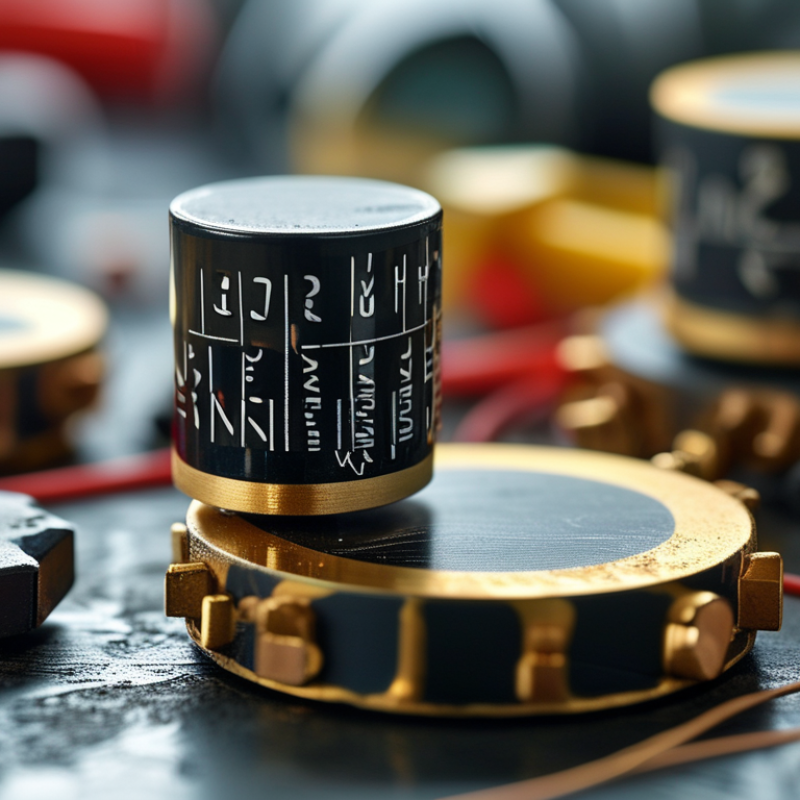
Overview of NTC Thermistors in Temperature Measurement
NTC thermistors play a crucial role in accurate temperature measurement. Their negative temperature coefficient means resistance decreases as temperature rises. This unique characteristic allows for precise readings across different temperature ranges. In industrial applications, these sensors ensure reliable performance under varying conditions. However, their sensitivity can lead to fluctuations in readings if not calibrated properly.
When selecting an NTC thermistor, one must consider factors such as resistance, tolerance, and response time. These specifications influence how accurately the thermistor measures temperature changes. A high tolerance rating indicates a more reliable device. But even high-quality thermistors can have inconsistencies due to manufacturing variances. Ensuring that the thermistor is suitable for specific applications is essential to obtaining accurate readings.
In practical settings, NTC thermistors often prove effective. Yet, they may struggle in extreme environments, affecting their reliability. This can lead to incorrect temperature readings if not monitored closely. Continuous evaluation of performance under real usage is vital. Understanding their limitations can improve the effectiveness of temperature measurement systems.
Key Characteristics of NTC Thermistors for Accuracy
NTC thermistors are essential for precise temperature measurements across various applications. Their key characteristic is their negative temperature coefficient, meaning resistance decreases as temperature rises. This property enables accurate readings, making NTC thermistors a preferred choice in many industries, from medical devices to environmental monitoring.
When selecting an NTC thermistor, consider temperature range and sensitivity. Choose thermistors with a broad operational range for versatility. Sensitivity impacts how finely you can measure temperature changes. Ensure the thermistor fits your specific application needs.
Tips: Always check the thermistor's specifications. Validate performance through testing in real conditions. Analyzing data can help identify unexpected anomalies. Be cautious about the installation environment, as factors like humidity can affect accuracy. Regular calibration is also crucial to maintaining reliability in measurements.
Best NTC Thermistor for Accurate Temperature Measurement
| Characteristic | Description | Importance for Accuracy |
| Resistance Rating | A specific resistance value at 25°C, indicating the sensor's baseline. | Essential for determining temperature range and sensitivity. |
| Beta Value | Indicates the sensitivity of the thermistor to changes in temperature. | Higher beta values result in greater sensitivity and accuracy. |
| Temperature Coefficient | Describes how resistance changes with temperature variation. | Critical for precise temperature measurements across a range. |
| Accuracy Range | Specified range of temperatures over which the thermistor operates accurately. | Directly affects the precision of temperature readings in applications. |
| Response Time | The time taken to respond to changes in temperature. | Critical for dynamic temperature monitoring situations. |
| Operating Range | The spectrum of temperatures over which the thermistor can function. | Defines where the thermistor is reliable and accurate in measurement. |
Applications of NTC Thermistors in Various Industries
NTC thermistors play a crucial role in various industries, thanks to their sensitivity and accuracy. In healthcare, these devices are vital for monitoring patient temperatures. The medical field heavily relies on precise readings to ensure patient safety. NTC thermistors can detect even slight fluctuations, making them essential for critical applications.
In the automotive sector, NTC thermistors help manage engine temperatures. They monitor performance and prevent overheating. A properly functioning thermistor can enhance fuel efficiency and reduce emissions. This makes them a key component in the drive towards sustainability.
**Tip:** Always consider the thermistor's operating range for optimal performance.
In the HVAC industry, NTC thermistors are used for temperature control. Accurate readings allow for better climate regulation. This results in improved energy efficiency in heating and cooling systems. However, improper installation can lead to inaccurate readings and inefficient operations, highlighting the importance of expertise in this area.
**Tip:** Regular calibration is essential for maintaining accurate measurements.
Moreover, consumer electronics utilize NTC thermistors in devices like computers. They regulate temperatures to prevent overheating. But they also require careful handling. A damaged thermistor can compromise device performance. By acknowledging their limitations, industries can leverage NTC thermistors for better reliability and performance.
Best NTC Thermistor for Accurate Temperature Measurement
NTC thermistors are widely used in various industries for precise temperature measurement. The following chart illustrates the applications of NTC thermistors across different sectors, providing insight into their common uses and relevance.
Factors Influencing the Performance of NTC Thermistors
When choosing an NTC thermistor for precise temperature measurement, various factors come into play. One major element is the material composition. Different materials can influence the thermistor's resistance and temperature range. For instance, ceramics are common, but they may respond differently under certain conditions. This variability can affect accuracy.
Another critical aspect is the thermistor's physical size. Smaller thermistors may have faster response times. However, their compact design may limit their heat dissipation capacity. This trade-off can impact overall performance. Additionally, the measurement environment also matters. External factors such as humidity and airflow can lead to discrepancies in readings.
Calibration is also essential for precise measurements. Even small deviations in calibration can result in inaccurate data. Regular checks and adjustments can prevent significant errors. Although it can be tedious, maintaining accuracy is crucial for reliability. Ultimately, understanding these nuances can enhance the efficacy of NTC thermistors in practical applications.
Comparative Analysis of Top NTC Thermistors on the Market
When selecting an NTC thermistor for accurate temperature measurement, several factors come into play. NTC (Negative Temperature Coefficient) thermistors are sensitive components that change resistance with temperature. Their response time and accuracy are critical in many applications. Moreover, not all thermistors are built alike; some may perform better under specific conditions.
Among various models, some excel in low-temperature ranges, while others show remarkable stability at high temperatures. The construction material and size impact their thermal response. Smaller thermistors often react quicker, but may not be ideal for all setups. Some users find that their chosen thermistor doesn't provide consistent readings in fluctuating environments. This variability can lead to undesired outcomes in precise applications.
It's crucial to review performance data and user experiences. Real-world testing reveals strengths and weaknesses in various scenarios. Some users report that their thermistors fail in high humidity, causing inaccuracies. Others struggle with integration into existing systems. These insights reflect the importance of thorough comparisons and real-world assessments before making a selection. Understanding these nuances can guide you toward the best choice for reliable temperature monitoring.


