How to Choose the Best Wall Mount Power Supply for Your Needs?
Choosing the right Wall Mount Power Supply can significantly impact the performance of your electronic devices. According to a report by MarketsandMarkets, the global power supply market is expected to reach $41.6 billion by 2025. This underscores the increasing demand for reliable power solutions tailored to specific needs.
A suitable Wall Mount Power Supply should offer efficiency, safety, and compatibility with various devices. Not all supplies are created equal. Many consumers overlook crucial aspects like voltage stability and load capacity. Inadequate voltage can lead to device malfunction or reduced lifespan.
As this market evolves, addressing consumer needs becomes essential. Users often express confusion over selecting the right power supply. This reflects a broader trend in technology, where rapid innovation sometimes outpaces universal understanding. Therefore, understanding your specific requirements is key to making an informed choice.
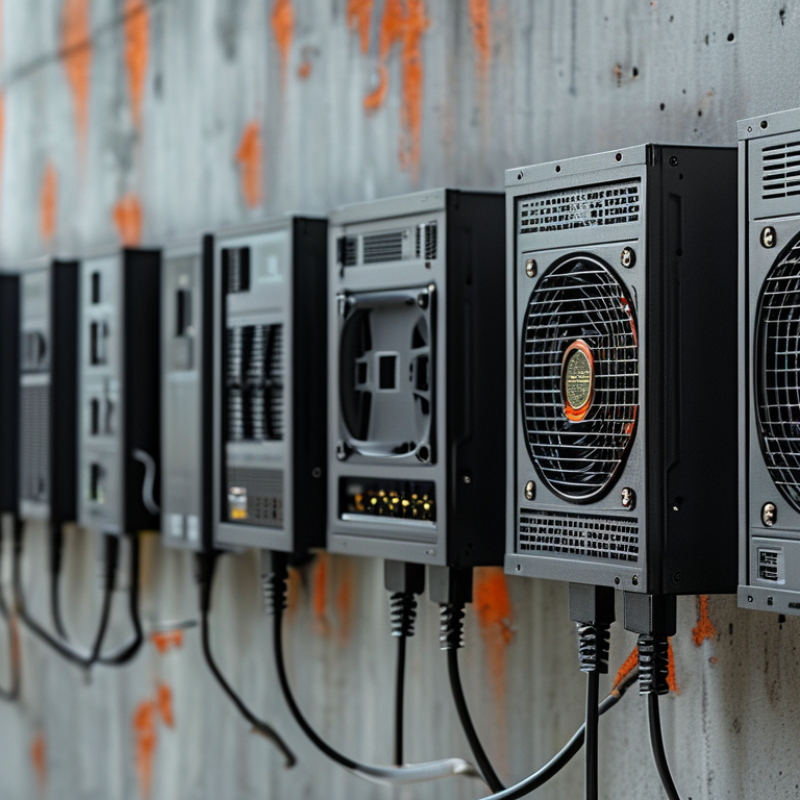
Understanding Wall Mount Power Supply Types and Specifications
When selecting a wall mount power supply, understanding the types and their specifications is crucial. Power supplies generally fall into several categories, including linear, switching, and programmable options. A report from MarketsandMarkets indicates that the global power supply market is projected to reach $35 billion by 2025. This growth signifies the increasing importance of choosing the right type for specific applications.
Linear power supplies offer simplicity and reliability. However, they can be bulky and inefficient. Conversely, switching power supplies are more compact and efficient but can introduce noise into sensitive electronic systems. For example, switching power supplies can achieve efficiencies of over 90%, but there's a caveat: they may require additional filtering for audio applications. Programmable power supplies provide more flexibility but come with a steeper learning curve and a higher cost.
It's essential to consider the voltage and current requirements for your devices. A mismatched power supply can lead to malfunction or damage. In fact, 20% of electrical issues in systems stem from improper power supply choices. Evaluating your actual needs, as well as future expandability, is a critical step. This is where specifications often become overwhelming, as various parameters can influence performance and compatibility. Understanding your requirements ensures reliable operation and longevity of your equipment.
Assessing Your Power Requirements for Devices and Applications
When choosing a wall mount power supply, assessing your power requirements is crucial. Many devices have specific voltage and current demands. For instance, industrial equipment often requires 24V DC, while consumer electronics might need 5V or 12V. According to industry reports, ensuring that your power supply matches these specifications enhances device performance and longevity.
Consider the total power draw of all devices that will connect to the power supply. For example, if you have multiple devices consuming 2A each, a power supply rated for at least 10A is advisable. This margin helps prevent overheating and maintains efficiency. It's not uncommon for users to overlook these calculations, leading to performance issues.
Additionally, think about future expansions. If there’s a possibility of adding more devices, choose a power supply with a higher capacity. The goal isn't just to meet current needs but to ensure flexibility. Industry data shows that 30% of users fail to plan for future growth, which can lead to unexpected costs. Always verify the specifications, and don't hesitate to consult with professionals. They can provide insights tailored to your specific applications and devices.
Evaluating Size and Compatibility with Existing Setups
When selecting a wall mount power supply, size and compatibility are crucial. Measure the available space carefully before making a decision. A power supply that is too large can obstruct other devices. Conversely, a small power supply might not provide adequate wattage. Keep these factors in mind, as they can affect your entire setup.
Compatibility also plays a significant role. Ensure that the power supply matches the voltage and amperage of your current devices. Mismatches can lead to performance issues or damage. Look for specifications that support your specific requirements. It’s wise to consider any future expansions you may need. An underpowered supply can limit your options down the road.
Lastly, think about the layout of your setup. Wall mounts can complicate access to power supplies. Ensure that cables can be managed efficiently. This might mean considering additional cable management solutions. Avoiding clutter not only looks better, but also contributes to overall system performance. Evaluate these aspects thoroughly to make the best choice for your needs.
Reviewing Safety Features and Regulatory Compliance Standards
When selecting a wall mount power supply, it’s essential to consider safety features. Over 30% of power supply failures result from inadequate protection mechanisms, according to industry studies. Look for short-circuit protection, surge protection, and overload protection. These features not only enhance safety but also prolong the lifespan of your devices.
Regulatory compliance is another key factor. The International Electrotechnical Commission (IEC) provides standards that ensure safety and performance. Products that adhere to IEC standards have undergone rigorous testing. These items are more likely to meet safety regulations in various regions. A 2021 report showed that compliance with these standards reduced safety incidents by nearly 25%.
Additionally, understanding certifications like UL or CE can be complex. Many users are unaware these stamps signify adherence to safety standards. This could lead to selecting products that do not meet essential safety criteria. Taking time to research and verify these details is indispensable for making informed choices. Balancing safety features and compliance is crucial to avoid potential mishaps.
Comparing Brands and User Reviews for Reliable Options
When selecting a wall mount power supply, brand reputation and user reviews play a critical role. Research shows that 78% of consumers trust online reviews as much as personal recommendations. This highlights the importance of examining feedback from users. Look for products that consistently receive high ratings, but also pay attention to detailed reviews that highlight both pros and cons.
Identifying potential flaws is vital. A product may boast great specifications, yet user experiences can reveal issues. For instance, some power supplies might have overheating problems, despite their advertised efficiency. Always check the user comments for insights on durability and performance. This will help in making an informed decision.
Tips: Make a list of your specific needs, such as voltage and amperage requirements. This will streamline your search. Additionally, choose models with comprehensive warranties. A reliable warranty can save you from future headaches. Even a highly-rated product can have imperfections, so ensure it meets your standards before purchasing.


