How to Choose the Right Metal Push Button Switch for Your Needs?
Choosing the right Metal Push Button Switch is crucial for various applications. These components are essential in industrial equipment, consumer electronics, and automotive systems. According to a recent market report by Research and Markets, the global push button switch market is projected to grow by 5.2% annually. This underscores their importance in modern technology.
Industry expert John Sinclair notes, "Selecting a Metal Push Button Switch requires understanding the specific needs of your application." This statement highlights the complexity involved in making an informed choice. Factors such as durability, tactile feedback, and environmental resistance are vital in the selection process.
Many users overlook the impact of materials and construction. Metal switches tend to offer better longevity compared to plastic. Yet, improper selection can lead to failures and increased costs. Users must assess their specific requirements carefully. It's worth reflecting on whether the chosen switch aligns with both functionality and aesthetic needs. This critical decision can significantly influence the performance of the entire system.
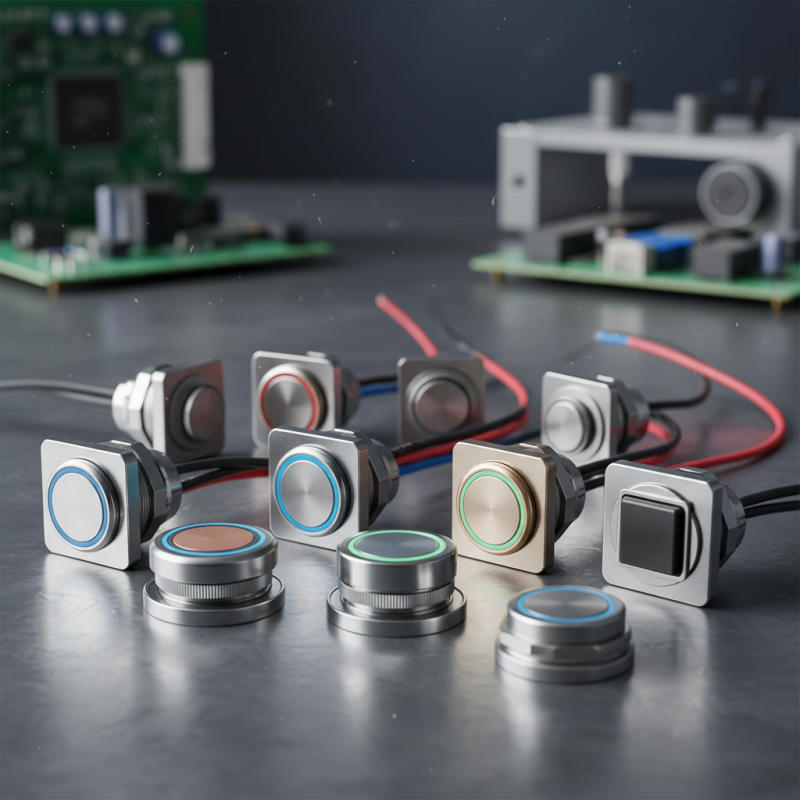
Understanding the Basics of Metal Push Button Switches
Metal push button switches are essential components in various electronic systems. Understanding their basic features can significantly influence your project outcomes. These switches are robust and suited for harsh environments, often made from stainless steel or plastic. In industrial applications, they withstand high levels of corrosion and heavy loads. Reports indicate that metal push button switches have a failure rate of less than 1% when properly selected and installed.
The choice of switch often depends on factors such as size, actuation force, and electrical ratings. The global market for these switches is projected to grow significantly, driven by the demand for automation. Recent studies suggest that companies often overlook compatibility with existing equipment, leading to inefficiencies. In terms of design, the tactile feedback offered by various switches varies widely, impacting user experience and operational reliability.
While aesthetics matter, it’s vital to prioritize functionality over appearance. Selecting the wrong switch can lead to disruptions that affect productivity. For example, a switch rated for low voltage may fail in high-current applications. Evaluating the specific requirements of your application can eliminate potential pitfalls. Always check manufacturer specifications and industry standards to ensure reliable performance.
Evaluating Different Types of Metal Push Button Switches
When choosing a metal push button switch, evaluating different types is crucial. Metal push button switches come in various forms, each suited for diverse applications. For instance, some switches are designed for harsh environments. These switches often possess increased resistance to water and dust, making them ideal for outdoor use. Others are more stylish, focusing on aesthetics while still maintaining functionality.
Consider the actuation force required for your application. Some switches need a firmer push, while others offer a lighter touch. This detail can significantly affect user experience. It's vital to test different options, as people may prefer varying tactile feedback. A switch that's too stiff can lead to user frustration.
Tips: Always check the rating of the switch. You need to ensure it can handle the required voltage and current. Look beyond just appearance and focus on specifications. If a switch fails to perform as expected, re-evaluate its specifications before installation. The choice you make today can impact long-term reliability. Investing time in understanding these aspects is worth it.
Key Specifications to Consider When Choosing a Push Button Switch
Choosing the right metal push button switch requires attention to various specifications. Start by considering the operating voltage and current ratings. Ensure they match your application's requirements. A mismatch can lead to failure or damage. Additionally, evaluate the switch's durability. Look for materials that resist corrosion and mechanical wear.
Another key specification is the size of the switch. Make sure it fits into your design without compromising functionality. Larger buttons might be easier to operate, but they also take up more space. Think about how users will interact with the button. Comfort and usability are essential.
Tips: Always check for IP ratings, which indicate the switch's resistance to dust and water. High IP ratings are vital for outdoor applications. Don’t overlook the actuation force needed to push the button. It should feel right for the intended use. A force that is too high can stress users, while too low might lead to accidental activation.
Finally, remember to examine the switch's lifespan in terms of cycles. A higher rating ensures reliable performance over time. Selecting the right specifications demands thorough assessment. Reflect on these details before making a choice to ensure lasting effectiveness.
Assessing Environmental and Operational Conditions for Switch Selection
Selecting the right metal push button switch requires careful consideration of environmental and operational conditions. Begin by assessing the installation location. Is it indoors or outdoors? Factors like humidity, temperature, and exposure to chemicals can significantly impact switch performance. For instance, a switch in a humid environment may require sealing features to prevent corrosion.
Operational conditions also play a vital role in your selection. Consider the frequency of use. A switch that is pressed frequently needs to withstand higher mechanical stress. Think about the types of equipment or machinery it will connect to. Heavy-duty applications often require robust switches to manage increased electrical loads.
Additionally, consider the tactile feedback you need. Some applications demand a solid, noticeable click, while others may benefit from a softer feel. Often, the choice can enhance user interaction. Balancing these factors helps ensure that the selected switch meets your operational demands. Reflect on potential challenges in your environment. What happens if conditions change unexpectedly? Being prepared for such scenarios can improve reliability and safety.
How to Choose the Right Metal Push Button Switch for Your Needs
Applications and Use Cases for Metal Push Button Switches
Metal push button switches are versatile components with various applications across different industries. In industrial settings, for example, these buttons often serve as control interfaces for machinery. Their durability and resilience make them suitable for environments with dust, moisture, or extreme temperatures. Users can find these switches in control panels, allowing operators to manage operations easily.
In consumer electronics, metal push button switches enhance user experience by providing a tactile response. They are commonly used in devices such as audio equipment and gaming consoles. Their sleek design adds an aesthetic touch to modern gadgets. However, selecting the right switch for a particular application requires careful consideration of factors like size and functionality. Sometimes, the wrong choice can lead to performance issues.
Understanding the nuances of these switches is paramount. For instance, while many prefer LED indicators, some applications may not need them. In certain cases, choosing a switch without prior research can lead to operational inefficiencies. Users should weigh their specific needs against the available options to avoid pitfalls. Each application may have unique requirements; thus, there is no one-size-fits-all approach. Investing time in this selection process can significantly impact overall performance.


