How to Choose the Right Condensing Unit For Walk-In Cooler?
Choosing the right condensing unit for a walk-in cooler is crucial for efficiency and sustainability. A well-selected unit ensures optimal temperature control and energy savings. With numerous options available, making the right decision can feel daunting. Several factors come into play, including the size of the cooler, the type of refrigeration system, and the intended use.
Understanding the specifications of each Condensing Unit For Walk-In Cooler is vital. Capacity, energy efficiency ratios, and operating temperatures matter greatly. Each of these elements can significantly impact performance and energy costs. Moreover, choosing a reliable and reputable manufacturer can influence maintenance and long-term functionality.
It’s also essential to consider potential challenges, like fluctuating temperatures or power supply issues. Reflecting on your specific needs will guide you in making a more informed choice. Selecting the proper condensing unit for a walk-in cooler can adapt to various conditions while maintaining consistent performance.
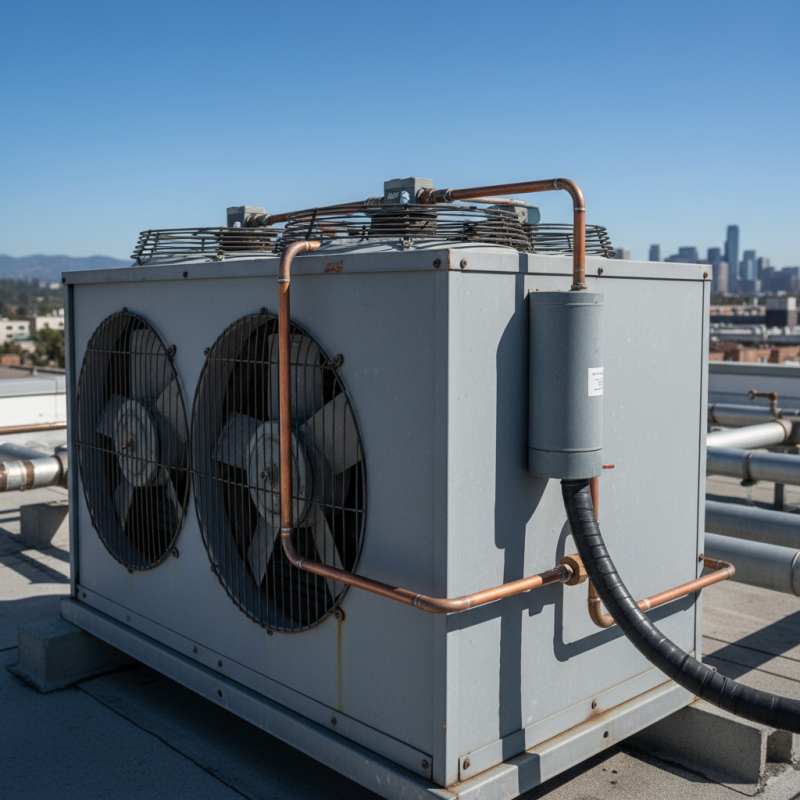
Understanding the Role of Condensing Units in Walk-In Coolers
When selecting a condensing unit for a walk-in cooler, understanding its function is crucial. The condensing unit is responsible for cooling the refrigerant, which regulates the temperature inside the cooler. It works by dissipating heat absorbed from the interior air to the outside environment. Inadequate sizing of the condensing unit can lead to insufficient cooling and increased energy costs, affecting overall operational efficiency. Data from a recent industry report revealed that improperly designed systems could waste up to 30% of energy.
Tips: Ensure you calculate the total heat load accurately by considering factors like the space size, product load, and ambient conditions. An adjustable unit might better accommodate changes in inventory levels.
Many operators overlook the importance of airflow around the condensing unit. Blocked air vents can cause equipment to underperform. Moreover, regular maintenance is essential. A study indicated that regular upkeep can extend equipment lifespan by 20%. Inspecting coils for dirt and ensuring fan operations are optimal can prevent costly breakdowns. Balancing performance and energy efficiency is vital in making the right choice.
Key Factors for Selecting the Right Condensing Unit Size
Choosing the right condensing unit for a walk-in cooler is vital for efficiency. The unit size directly affects cooling performance and energy consumption. A study by the U.S. Department of Energy found that improper sizing can lead to a 30% increase in energy costs. When selecting, start by measuring the walk-in cooler’s dimensions. Use these figures to calculate the required cooling capacity in BTUs.
Consider factors such as insulation quality and ambient temperature. Poor insulation can lead to a higher cooling demand. A report from the Refrigeration Research Council states that every additional degree above 75°F increases energy usage by about 8%. Additionally, think about the refrigeration load. This should include product load, door usage, and employee traffic. Balancing these elements is crucial for an efficient unit.
Finally, always review the condensing unit’s specifications. Look for energy efficiency ratings. While a higher initial investment might seem daunting, it can lead to significant savings. Many professionals teach to evaluate total lifecycle costs instead of upfront costs alone. Making detailed calculations may drive better long-term choices, even if it seems tedious now.
Evaluating Energy Efficiency Ratings for Condensing Units
When selecting a condensing unit for a walk-in cooler, energy efficiency ratings play a crucial role. According to the U.S. Department of Energy, energy-efficient units can reduce energy costs by up to 30%. This statistic highlights the importance of choosing the right model. Look for units with a high EER (Energy Efficiency Ratio) and SEER (Seasonal Energy Efficiency Ratio). These ratings indicate how well a unit converts energy into cooling power.
Consideration of the refrigerant used is also important. Many modern units utilize environmentally friendly refrigerants that comply with industry regulations. These options often have a lower Global Warming Potential (GWP). According to the Environmental Protection Agency, selecting units with a GWP less than 150 can further enhance sustainability efforts.
However, it's essential to evaluate these figures critically. High efficiency does not always guarantee the lowest operational costs. Installation and maintenance can impact overall performance. Units must be appropriately sized to avoid inefficiencies. Oversized units may cycle on and off frequently, leading to energy waste. Regular maintenance checks are necessary for maintaining efficiency levels as well.
Assessing Refrigerant Types and Their Impact on Performance
When selecting a condensing unit for a walk-in cooler, refrigerant type significantly impacts performance. Common refrigerants include R-404A, R-134A, and the newer low-global-warming-potential options. Each has unique thermodynamic properties that influence cooling efficiency.
R-404A shows an impressive cooling capacity, often favored in commercial applications. However, its high global warming potential (GWP) leads to regulatory scrutiny. R-134A offers better efficiency in medium temperature applications but may not be suited for all environments. Reports indicate that switching to low-GWP refrigerants can improve efficiency by 10-15%, indicating a strong market shift towards sustainable solutions.
Consider operational costs and energy efficiency. Recent industry studies have shown that using advanced refrigerants can reduce energy consumption by up to 20%. Yet, the perceived complexity of these alternatives may deter some operators. Cost analysis often reveals a trade-off between initial investment and long-term savings, requiring careful consideration.
Maintenance Considerations for Long-Lasting Condensing Units
Maintaining a condensing unit for your walk-in cooler is crucial. Regular inspections can prevent costly breakdowns. Look for signs of wear, such as rust or unusual noises. Schedule maintenance at least twice a year, especially before peak seasons.
Cleaning the coils is essential. Dust and debris can hinder heat exchange, causing inefficiency. Use a soft brush or a vacuum. Ensure you follow safety protocols when performing these tasks. Seek professional help if you’re uncertain about any step.
Check refrigerant levels regularly. Inadequate refrigerant can lead to operational issues and higher energy costs. Monitor the unit's temperature frequently. Extreme fluctuations can indicate underlying problems. Taking these proactive measures can enhance the life of your equipment.
How to Choose the Right Condensing Unit For Walk-In Cooler? - Maintenance Considerations for Long-Lasting Condensing Units
| Dimension | Value | Notes |
| Cooling Capacity (BTU) | 12000 - 60000 | Choose based on the size of the walk-in cooler. |
| Refrigerant Type | R-404A, R-134A | Compatibility with the cooler's design is essential. |
| Voltage | 115V, 230V, 460V | Verify the electrical system in the installation site. |
| Compressor Type | Scroll, Reciprocating | Choose based on efficiency and noise level preferences. |
| Defrost Type | Electric, Hot Gas | Consider the climate and usage patterns when selecting. |
| Maintenance Frequency | Quarterly | Regular maintenance enhances lifespan and efficiency. |


