Blog
How to Choose the Best Commercial Lifts?
Choosing the right Commercial Lifts is not simply a matter of comparing prices or cabin finishes. A lift that looks impressive in a brochure may struggle with pallet dimensions, peak-hour traffic, or frequent loading cycles. Start with what the building moves: people, goods, carts, or a mix of all three. Record typical and maximum loads, travel distance, door clearances, and how often each trip occurs. Small details matter. A 100-millimeter clearance issue can affect handling every day.
The best choice also depends on site conditions and long-term operation. Check available shaft space, pit depth, headroom, power supply, environmental exposure, and access for maintenance. Ask suppliers to explain rated capacity, speed, control options, safety features, service intervals, and expected energy use in writing. Compare proposals on the same assumptions; otherwise, a low quote may omit essential equipment or service. That is not enough. Consider installation disruption, spare-parts availability, local technical support, and the cost of downtime, not only purchase price. Requirements differ by building and use, so confirm technical details with a qualified lift professional and the relevant local authorities. This guide explains how to assess these factors, compare lift types, and choose a solution that fits real operating needs. Even a careful plan can miss something. Review it with the people who load, maintain, and use the lift before committing.
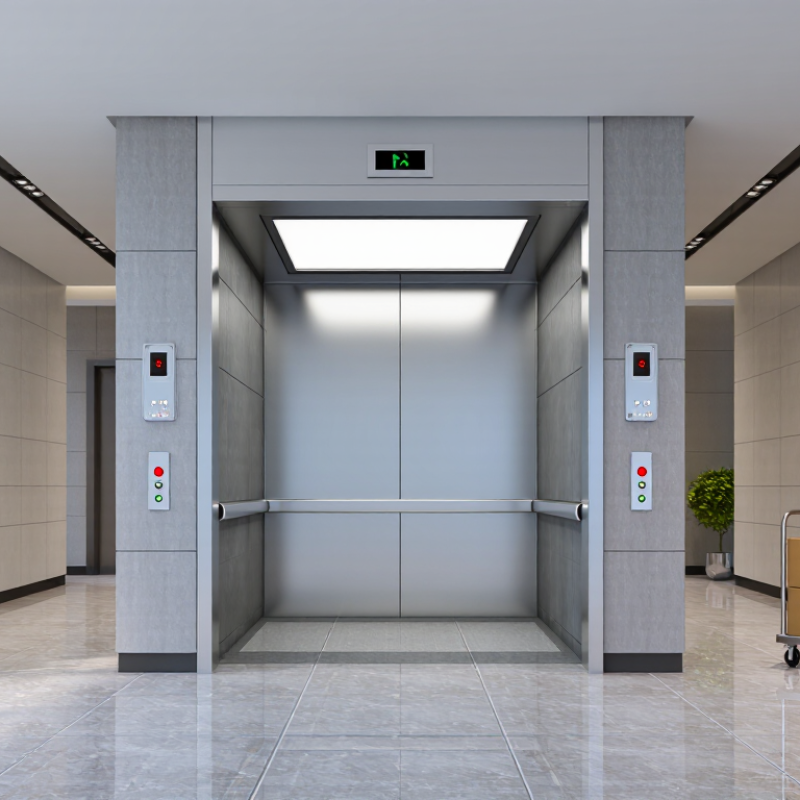
Understanding Commercial Lifts and Their Main Applications
Commercial lifts move people, goods, or equipment through buildings, but each type serves a different purpose. Passenger lifts suit offices, hotels, and clinics where people travel between floors throughout the day. Their capacity, door width, and waiting time matter, especially during busy morning periods.
Goods and service lifts handle heavier or awkward loads. In a hotel, a service lift may carry linen carts between floors; in a warehouse, a goods lift may move pallets. Check the load size, weight, travel distance, and number of trips per hour.
A lift that is technically powerful can still be poorly matched if its doors are too narrow. Small details matter.
Accessibility lifts help people overcome changes in floor level, including where a full passenger lift may not fit. The right option depends on building layout, traffic, available shaft space, and expected use.
Measure carefully. A site visit can reveal obstacles that drawings miss, such as low ceilings or a tight landing. I would not choose from capacity figures alone; noise, maintenance access, and evacuation planning deserve attention too. Requirements vary by location, so have a qualified lift professional assess the site and applicable safety standards before installation.
Assessing Building Layout, Traffic, and Accessibility Needs
How to Choose the Best Commercial Lifts?
Assessing Building Layout, Traffic, and Accessibility Needs
A lift that fits the floor plan may still slow a busy building. Map the route from the entrance to the lift, then note narrow corridors, columns, and door swings. Measure the available shaft space and check where people gather during peak hours. A lunch rush can reveal bottlenecks that a quiet site visit misses. One traffic estimate may be off, so compare observations from different days.
Match capacity and speed to actual movement patterns. An office tower may need to move many people quickly, while a clinic may benefit more from steady, reliable access between floors. Consider wheelchair turning space, reachable controls, clear floor indicators, and level entry. Ask an experienced lift professional to review the layout and confirm that the proposed design suits the building. Small details matter. A heavy door can be difficult for some users, even when the lift itself is spacious.
Tips: Watch the lobby at busy times. Measure doorways and waiting areas. Check access from street level. Include staff, visitors, deliveries, and mobility aids in your planning. If the numbers feel uncertain, gather more observations before choosing a system.
How to Choose the Best Commercial Lift?
Compare rated load capacities for lift car types defined in EN 81-70. Car dimensions and door widths help assess layout and accessibility, while expected peak traffic should guide the number and speed of lifts.
Car dimensions shown as width × depth; door widths and capacities are representative EN 81-70 dimensions. Verify the applicable standard edition and local accessibility requirements before specifying a lift.
Comparing Lift Types, Capacity, Speed, and Performance
Choosing a commercial lift starts with the work it must do. Passenger lifts suit offices, hotels, and clinics, while goods lifts handle pallets, carts, and heavier loads. A service lift may fit smaller items moving between floors. Match the type to the building’s traffic, available shaft space, and daily handling routine.
Capacity is more than the largest load on a specification sheet. Consider how many people or how much freight arrives during the busiest ten minutes. Then compare rated capacity with car size, door width, and loading time. Speed matters in taller buildings, but frequent stops and slow doors can erase the benefit of a faster motor. Doors matter, too. For a warehouse, smooth starts and accurate floor leveling may matter more than top speed. Real usage can surprise you. Even a well-sized lift may feel slow during shift changes.
Tips: Track peak-hour trips for several days. Measure the widest cart and tallest load. Ask a qualified lift professional to assess traffic, travel height, power needs, and maintenance access. Compare expected performance under busy conditions, not just headline speed. Leave room for error; early estimates are rarely perfect.
How to Choose the Best Commercial Lifts? - Comparing Lift Types, Capacity, Speed, and Performance
| Lift Type | Typical Rated Capacity | Typical Speed | Best Suited For | Performance Considerations |
|---|---|---|---|---|
| Passenger Traction Lift | About 1,000–2,500 kg (2,200–5,500 lb) | About 1.0–3.5 m/s (200–690 ft/min) | Offices, hotels, hospitals, and other buildings with frequent passenger traffic. | Generally offers higher speeds and good efficiency for mid- and high-rise buildings. Requires a suitable hoistway and may need more complex maintenance than a low-rise hydraulic system. |
| Hydraulic Passenger Lift | About 630–2,000 kg (1,400–4,400 lb) | About 0.15–0.63 m/s (30–125 ft/min) | Low-rise commercial buildings with modest travel distances and passenger demand. | Typically provides smooth service at lower speeds and can accommodate substantial loads. Lower travel speed and limitations on practical travel height make it less suitable for busy, tall buildings. |
| Traction Freight Lift | About 2,000–5,000 kg (4,400–11,000 lb) | About 0.5–1.5 m/s (100–300 ft/min) | Warehouses, distribution facilities, and multi-storey commercial buildings moving heavy goods over longer distances. | Suitable for longer travel and frequent operation. Loading needs, door size, floor loading, and protection against impact should be considered in the design. |
| Hydraulic Freight Lift | About 2,000–10,000 kg (4,400–22,000 lb) | About 0.15–0.5 m/s (30–100 ft/min) | Low-rise factories, workshops, retail back-of-house areas, and other sites moving heavy or bulky loads. | Can support high loads at relatively low speeds. It is generally best for shorter travel; operating energy use, equipment location, and maintenance access should be assessed. |
| Service Lift | Varies widely by design; commonly specified for carts, supplies, or service equipment | Depends on the drive system and building requirements | Hotels, hospitals, restaurants, and offices needing separate movement of supplies or service staff. | “Service lift” describes an intended use, not one fixed drive type. Confirm whether it must carry people, the required load and car dimensions, and applicable local safety codes. |
Note: Figures are indicative planning ranges, not guaranteed specifications. Actual capacity, speed, travel height, duty rating, and energy performance depend on the lift design, building conditions, applicable codes, and supplier specification.
Checking Safety Standards, Energy Use, and Required Features
How to Choose the Best Commercial Lifts?
Check safety requirements before comparing finishes or prices. Standards vary by location and lift type, so confirm applicable codes with a qualified lift professional or local inspection authority. Ask for documented inspection records, rated-load details, emergency communication provisions, and maintenance requirements. A lift should suit its actual use, not just its brochure description.
Estimate daily trips, peak traffic, load weight, and travel distance. A busy office may need different door timing and capacity than a warehouse moving carts. Compare energy use in standby and operation, and ask how lighting, drive systems, and sleep modes affect consumption. Choose features for real tasks: accessible controls, clear floor indicators, suitable door widths, and backup arrangements. More options are not always better. A checklist can miss an awkward loading corner; walk the route with staff before deciding.
Tips: Measure the heaviest item and the tightest doorway. Request a site assessment and written service plan. Check that the proposed lift can handle expected traffic without frequent delays, and leave room for future needs. Small details matter.
Evaluating Installation Costs, Maintenance, and Supplier Support
How to Choose the Best Commercial Lifts?
Evaluating Installation Costs, Maintenance, and Supplier Support
A lift’s purchase price is only one part of the budget. Ask for an itemized installation estimate covering site surveys, structural changes, electrical work, permits, and testing. A narrow service corridor or an uneven floor can add time and expense. Compare quotes with the same capacity, travel distance, and finish specifications. Otherwise, a cheaper offer may simply exclude important work. Even a careful estimate can miss something.
Maintenance affects both long-term costs and daily operations. Request a written schedule showing inspection frequency, call-out response times, and which parts are included. For a busy building, a lift stopped during morning deliveries can cause real disruption. Check whether local technicians can access common replacement parts, and ask how service records are shared. Support promises sound reassuring, but specific service hours matter more.
Tips: Ask suppliers for a sample maintenance report and a clear list of exclusions. Confirm who coordinates site work and handles delays. Keep a contingency in your budget; installation plans sometimes change once equipment reaches the building. That part is easy to underestimate.
Article Source:
Exclusive Access
Unlimited Resources
Detailed information on our products to assist you with the planning of your cable management project
Register Now