Main menu Open search

Blog

What Is the Best Cooler Refrigeration Unit?

Choosing the best Cooler Refrigeration Unit is not simply a matter of selecting the coldest model. Performance depends on storage volume, ambient temperature, door traffic, product type, and available power. A small café may need a compact undercounter unit, while a busy grocery store requires stronger recovery after repeated door openings. The right choice protects product quality and controls long-term operating costs.

Look beyond the advertised temperature range. Check compressor efficiency, insulation thickness, airflow design, noise levels, defrost settings, and temperature monitoring. A reliable unit should maintain stable conditions, even when the kitchen becomes hot and crowded. Stainless steel interiors are easier to clean, but poor shelf design can still restrict airflow. Small details matter.

Service access matters too.

Review the manufacturer’s technical documentation and warranty terms before buying. Energy labels and independent performance data can support a more informed decision, but they should not replace a site assessment. Measure the doorway, floor space, ventilation clearance, and electrical supply. A powerful model may perform poorly if installed against a wall without proper ventilation.

No Cooler Refrigeration Unit is perfect. A highly efficient model may cost more upfront, and a budget unit may demand more maintenance later. I have found that purchasing decisions often focus too heavily on price. That approach can overlook compressor reliability, replacement parts, and technician availability. The best option balances cooling consistency, practical usability, safety, and ownership cost. This guide examines those factors closely, while recognizing that real-world conditions can challenge even well-designed equipment.
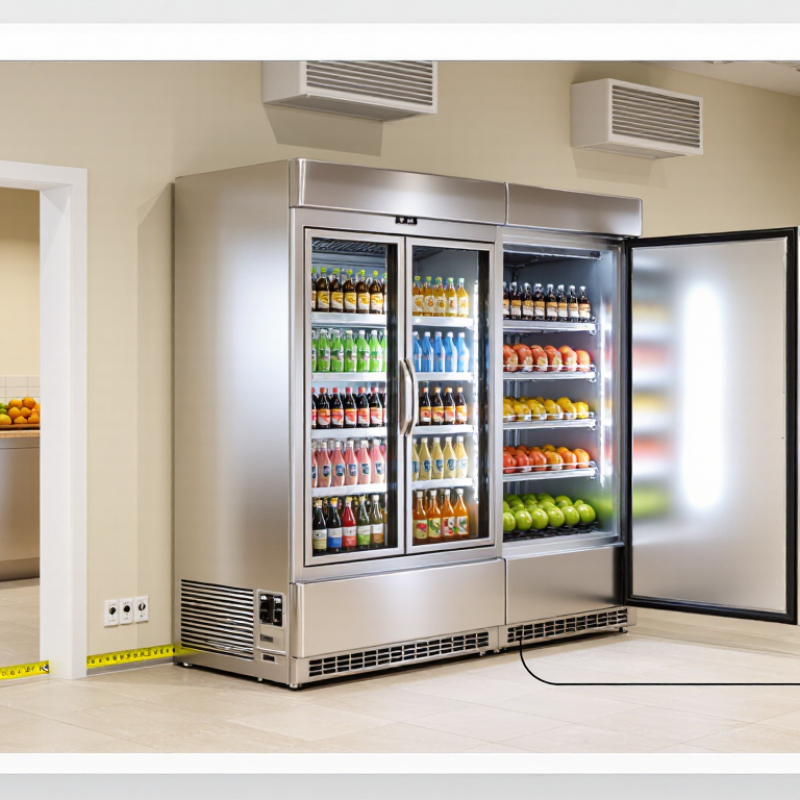
What Is the Best Cooler Refrigeration Unit?

What a Cooler Refrigeration Unit Is and How It Works

What Is the Best Cooler Refrigeration Unit?

What a Cooler Refrigeration Unit Is and How It Works

A cooler refrigeration unit removes heat from an insulated storage space. It keeps drinks, food, or other temperature-sensitive products cold. The system uses a compressor, condenser, expansion device, and evaporator. Each part supports the cooling cycle.

The compressor pushes refrigerant through the system. The condenser releases collected heat outside the cooler. Then, the expansion device lowers refrigerant pressure. The evaporator absorbs heat from the storage area. A thermostat monitors temperature and signals when cooling should start or stop.

You may hear the compressor cycle during operation. That sound is normal, but unusual rattling deserves inspection.

The best unit depends on cabinet size, insulation, door openings, and surrounding temperature. A larger unit is not always better. It may cool quickly but waste energy and create uneven temperatures. In practical installations, airflow around the condenser often matters more than expected. Poor airflow can reduce performance, increase operating costs, and shorten equipment life. This is easy to overlook. Temperature recovery after frequent door openings also deserves attention.

Tips:

Measure the internal volume before choosing a unit. Check the required temperature range and expected daily usage. Keep condenser surfaces clean and leave proper ventilation space. Use an accurate thermometer, not only the built-in display. Record temperature changes during busy periods. Small errors in measurement can lead to a poor choice.

Key Performance Factors for Comparing Refrigeration Units

What Is the Best Cooler Refrigeration Unit?

Key Performance Factors for Comparing Refrigeration Units

The best cooler refrigeration unit is not simply the coldest one. It must hold a stable temperature during busy, warm conditions. Compare pull-down speed, temperature recovery, energy use, noise, and service access.

A practical test starts with a calibrated temperature probe. Record the internal temperature before loading, during loading, and after the door closes. A unit that recovers quickly protects stored goods more effectively. Check performance at the highest expected room temperature, not only in a cool showroom.

Look closely at insulation and airflow. Poor insulation makes the compressor work harder. Uneven airflow can leave warm corners, especially near a crowded shelf. Adjustable shelving helps, but overloading still causes problems. Defrost control also matters. Excess ice reduces cooling efficiency and usable space.

Energy ratings deserve careful reading. Daily consumption can differ greatly from laboratory estimates. Ask how the figure was measured. Maintenance access is another important factor. Filters, coils, seals, and drains should be easy to inspect. Difficult access may turn a small fault into an expensive repair.

Reliability is more than a strong first impression. Review temperature logs, warranty terms, replacement-part availability, and documented safety testing. One detail is easy to miss: door openings can change results dramatically. A short trial may look convincing, yet real operation is messier. Comparing units under the same load gives fairer evidence, although no test perfectly predicts every workplace.

Main Types of Cooler Refrigeration Units and Their Uses

What Is the Best Cooler Refrigeration Unit?

The best cooler refrigeration unit depends on temperature, product turnover, room size, and service access. Self-contained units place the compressor and condenser inside the cabinet. They suit small shops, cafés, and display counters with limited installation work. Remote condensing units move heat outside the sales area. They reduce indoor noise and heat, making them practical for larger stores or warm kitchens. Split systems work well for walk-in coolers, where long operating hours demand stable temperature control.

Different products require different temperature ranges. Fresh vegetables often need controlled chilled storage, while frozen foods require much lower temperatures and stronger insulation. Walk-in units provide useful volume for restaurants, warehouses, and food distribution sites. Reach-in coolers support frequent access, but repeated door opening increases energy use. Small details matter, such as door seals, airflow clearance, and condenser cleaning. A neglected condenser can quietly raise power consumption.

The International Institute of Refrigeration reports that refrigeration uses about 17% of global electricity, showing why efficiency deserves serious attention. The United Nations Environment Programme also identifies cooling demand as a major future energy challenge. High-efficiency compressors, electronic controls, and natural refrigerants can reduce operating impact when correctly selected and maintained. However, efficiency figures from laboratory tests may not match a busy kitchen. That difference is easy to underestimate. A professional assessment should review load calculations, ambient temperature, defrost cycles, and local service capacity before purchase. Lower purchase cost can become expensive when downtime, food loss, or difficult repairs enter the calculation.

What Is the Best Cooler Refrigeration Unit?

Typical operating temperature ranges help match a refrigeration unit to its intended use. Lower temperatures are suitable for rapid chilling, while standard coolers are designed for chilled food and beverages.

How to choose: Reach-in, undercounter, walk-in, and display coolers are commonly used for chilled storage between 0°C and 5°C. A blast chiller operates at much lower temperatures and is intended for rapid cooling rather than routine storage.

How to Choose the Best Unit for Capacity and Environment

What Is the Best Cooler Refrigeration Unit?

How to Choose the Best Unit for Capacity and Environment

The best cooler refrigeration unit matches real product load, room size, and operating conditions. Start with heat entering the space, not only its internal volume. Door openings, lighting, employees, warm deliveries, and product temperature all add refrigeration demand. ASHRAE Handbook guidance recommends using a detailed cooling-load calculation before selecting equipment. My first estimate is often wrong when I ignore delivery patterns.

Capacity must also fit the environment. A busy kitchen needs rapid recovery after repeated door openings. A warehouse may need stable performance across long operating hours. High ambient temperatures reduce condenser efficiency and can increase energy use. The U.S. Department of Energy’s Better Buildings initiative reports that refrigeration can represent up to 40% of grocery-store energy consumption. That makes airflow, insulation, defrost control, and condenser cleanliness important selection factors. Bigger is not automatically better.

Tips: Measure door openings for three typical days. Record the warmest room temperature. Check the unit’s rated capacity at your actual ambient condition. Leave clearance around the condenser. Review service access before installation. A slightly oversized unit may short-cycle, waste energy, and control humidity poorly. Yet an undersized unit can run continuously, especially during loading. Request performance data, sound levels, defrost requirements, and expected maintenance intervals. Independent testing documentation is more useful than impressive marketing language.

Installation, Maintenance, Energy Use, and Operating Costs

What Is the Best Cooler Refrigeration Unit?

Installation determines performance long before the compressor starts. A correctly sized unit should match product load, door openings, ambient temperature, and storage volume. The U.S. Department of Energy’s Better Buildings program reports that refrigeration can consume 40–60% of a grocery store’s electricity. That makes airflow and insulation important cost controls. Leave clearance around condensers, seal panel joints, and keep evaporator fans unobstructed. Small gaps matter. A perfect installation is rare, so commissioning measurements deserve more attention than assumptions.

Maintenance protects both temperature stability and operating costs. According to the U.S. Environmental Protection Agency’s GreenChill guidance, leak prevention reduces refrigerant emissions and helps systems operate efficiently. Technicians should inspect coils, fan motors, door gaskets, defrost settings, and pressure readings. Dirty coils increase head pressure and force longer compressor cycles. ENERGY STAR commercial refrigeration guidance indicates that efficient equipment can use about 20% less energy than standard models. Actual savings vary widely. Store behavior can defeat good equipment.

Tips: Record daily temperatures, energy use, and service calls. Compare readings monthly. Clean condenser coils on a planned schedule, not after failure. Keep doors closed and avoid blocking return-air paths. Use a submeter when possible; whole-building bills hide refrigeration waste. ASHRAE Handbook—Refrigeration recommends verifying design conditions after installation. That step is often skipped. It should not be.

What Is the Best Cooler Refrigeration Unit? - Installation, Maintenance, Energy Use, and Operating Costs

Refrigeration Unit Type Best Application Typical Cooling Capacity Typical Installed Cost (USD) Estimated Annual Energy Use Estimated Annual Electricity Cost* Advantages Limitations
Self-Contained Plug-In Unit Small walk-in coolers, reach-ins, convenience stores, and locations needing simple installation 1/2–3 hp; approximately 6,000–24,000 Btu/h $3,500–$10,000 5,000–14,000 kWh $750–$2,100 Fast installation, lower initial labor cost, and easy replacement Adds heat and noise to the room; less suitable for large coolers or hot indoor spaces
Remote Condensing Unit Medium and large walk-in coolers where heat and noise should be moved outside 1–5 hp; approximately 12,000–60,000 Btu/h $7,000–$20,000 7,000–22,000 kWh $1,050–$3,300 Quieter indoor operation, better heat rejection, and easier access to indoor components Higher installation cost; requires refrigerant piping, electrical work, and outdoor space
Split Refrigeration System Commercial kitchens, supermarkets, and larger coolers with dedicated mechanical areas 2–10 hp; approximately 24,000–120,000 Btu/h $12,000–$35,000 12,000–40,000 kWh $1,800–$6,000 Flexible equipment placement, scalable capacity, and improved service access Requires qualified refrigeration technicians and careful system commissioning
Variable-Speed or Capacity-Controlled System Facilities with changing loads, long operating hours, or high energy-efficiency targets 1–10 hp; capacity modulates to match demand $15,000–$40,000 10,000–32,000 kWh $1,500–$4,800 Reduced cycling, stable temperature control, and potential energy savings of about 10%–30% Higher purchase price and greater control-system complexity

Installation, Maintenance, and Operating Cost Benchmarks

Cost or Performance Factor Typical Range or Target Recommended Frequency Why It Matters
Electrical Service 208–230 V for many commercial systems; dedicated circuit commonly required Verify before installation Incorrect voltage or undersized wiring can cause nuisance trips, overheating, or equipment damage
Installation Labor $1,500–$12,000, depending on piping, electrical work, access, and permits Once at initial installation Site preparation and correct commissioning strongly influence reliability and energy use
Condenser Coil Cleaning $100–$300 per service visit when professionally completed Every 3–6 months; more often in dusty or greasy environments Dirty coils increase condensing pressure, energy consumption, and compressor stress
Evaporator Coil and Fan Inspection Included in a scheduled preventive-maintenance visit Every 3–6 months Ice buildup, blocked airflow, or failed fan motors reduce cooling performance
Door Gasket and Hardware Check Replace damaged gaskets; typical replacement cost is $100–$500 Inspect monthly Air leakage allows warm, humid air into the cooler and increases compressor runtime
Refrigerant Leak and Operating-Pressure Test Typically $200–$700 for diagnostic service, excluding major repairs At least annually or when cooling performance changes Low refrigerant charge can reduce capacity and damage the compressor; service must follow local regulations
Target Cooler Temperature Usually 35–38°F (2–3°C) for general refrigerated food storage Monitor continuously The correct set point protects product quality without using unnecessary energy
Expected Service Life Approximately 10–15 years with proper sizing and preventive maintenance Evaluate condition annually after year 10 Repair frequency and energy performance should be compared with replacement costs

*Electricity-cost estimates use an illustrative rate of $0.15 per kWh. Actual consumption and operating costs vary with cooler size, insulation, door openings, ambient temperature, product load, defrost settings, equipment efficiency, local electricity rates, and operating hours.

Exclusive Access

Unlimited Resources

Detailed information on our products to assist you with the planning of your cable management project

Register Now

BIM Files

Step Files

Installation Manuals

User Guides

Best Practice Guides

Technical Charts