Blog
How to Choose the Right Drain Pump in 2026?
Choosing the right Drain Pump in 2026 requires more than comparing motor power or purchase price. A pump must match the fluid, lifting height, discharge distance, cycling frequency, and installation environment. A bathroom condensate pump faces different demands than a basement sewage pump. Small details matter, including a narrow hose, a hidden check valve, or a float switch exposed to debris.
Recent industry research supports this system-based approach. The U.S. Department of Energy’s Pumping Systems Assessment Tool highlights that pump efficiency depends on the complete hydraulic system, not the pump alone. The Hydraulic Institute’s standards also emphasize proper sizing, operating points, energy use, and lifecycle performance. Meanwhile, Grand View Research’s water pump market analysis identifies efficiency, automation, and infrastructure renewal as continuing market priorities. These reports do not make selection simple. They make poor assumptions easier to detect.
Pump engineer Larry Bachus captures the central lesson: “Pumps do not pump water; they pump energy.” That sentence deserves attention. A powerful Drain Pump can waste electricity, create excessive noise, and fail early when the pipework is restrictive. The right model should deliver the required flow at the actual head, not at an attractive catalog number. Check the manufacturer’s performance curve. Measure the real discharge route. Confirm solids handling and thermal protection. Then reconsider the choice. Perfect sizing is rare. Careful sizing is practical, defensible, and usually cheaper over time.
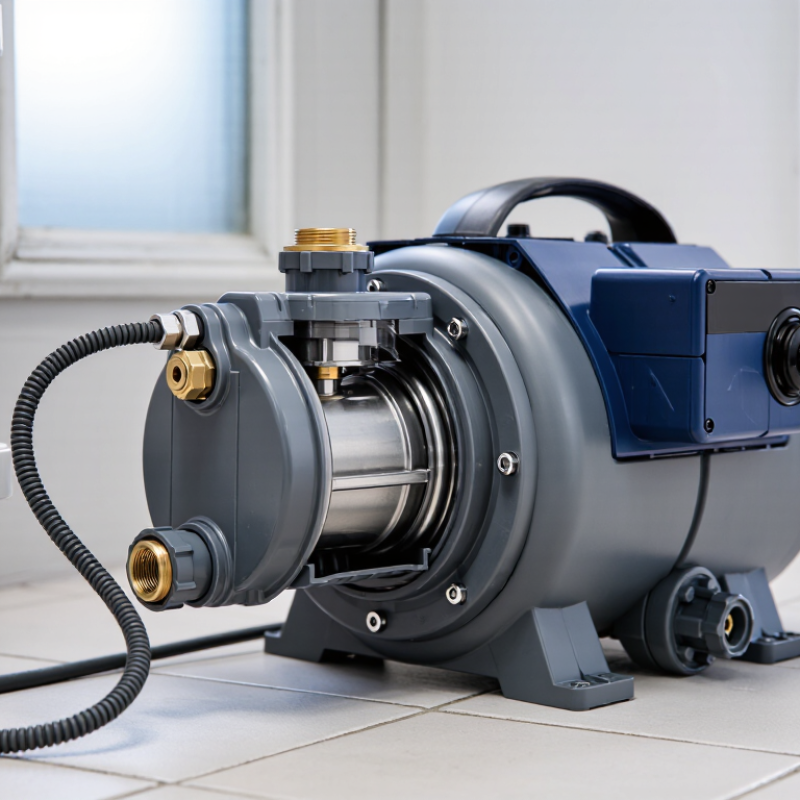
Identify the Drain Pump’s Required Function and Application
Choosing the right drain pump begins with its required function, not its appearance. A pump for a washing machine faces different demands from one serving a basement, shower, or commercial sink. Define where the water comes from and where it must go. Then measure the vertical lift, pipe distance, drainage rate, and expected operating frequency.
In field servicing, I check the pump’s flow capacity at the actual discharge height. Advertised flow can fall sharply under resistance. The pump must also handle the water’s temperature, acidity, and solid content. Laundry systems may contain lint, while floor drains can carry grit and hair. A small intake screen helps, but it cannot correct an unsuitable pump. Check voltage, connection type, automatic controls, and whether continuous or intermittent operation is required.
The installation space matters too. A compact pump may fit neatly beneath equipment, yet overheat in a crowded cabinet. I once treated a low-flow warning as a pump failure; the real issue was a partially blocked discharge hose. That mistake was avoidable. Measure before replacing. Review the manufacturer’s technical data, service instructions, and applicable electrical requirements. A reliable selection matches the pump to the whole drainage path, including pipe size, check valves, ventilation, and access for cleaning. It may sound obvious, but many failures begin with one missing detail.
Calculate Flow Rate, Lift Height, and Total Pumping Distance
How to Choose the Right Drain Pump in 2026?
Choosing a drain pump starts with measuring real water demand, not guessing from pipe size. Collect the discharge volume in a container and record the filling time. Flow rate equals volume divided by time. For example, 60 liters in two minutes requires 30 liters per minute. Add a practical safety margin, often 15% to 25%, for sudden inflow or imperfect measurements. Peak demand matters most.
Measure lift height from the pump inlet water level to the highest discharge point. Do not measure from the floor unless both points match. A vertical rise of three meters creates more resistance than many users expect. Horizontal piping also matters. Long runs, narrow pipes, elbows, filters, and check valves reduce delivered flow. Convert these losses into total dynamic head, then compare the required flow and head with the pump curve. The advertised maximum flow is rarely available at full lift.
I have seen installations fail because the total route was measured loosely. A pump moved water during testing, yet struggled after several bends were added. That result changed the selection. Choose a pump that meets the duty point, not just one impressive number. Leave access for cleaning and inspect the discharge line regularly. Recheck your figures after installation. Field conditions can be messier than the calculation.
Match Pump Materials and Features to the Drainage Environment
How to Choose the Right Drain Pump in 2026?
Match Pump Materials and Features to the Drainage Environment
Choosing a drain pump in 2026 starts with the drainage environment, not the product label. Clean condensate needs different protection than wastewater containing sand, grease, or small solids. For mild water, reinforced plastic can resist rust and reduce weight. Stainless steel suits humid areas and many corrosive conditions. Cast iron offers strength for demanding systems, but it may require better corrosion control. Always check the fluid’s temperature, pH, and solid content before selecting materials.
Tips: Measure the vertical lift and discharge distance. Then allow extra capacity for bends, narrow pipes, and future use. Choose a pump with thermal overload protection, a reliable float switch, and an accessible check valve. Keep the intake clear.
A pump can be powerful yet unsuitable. High flow does not compensate for poor chemical compatibility. A fine sensor may also fail when sludge coats its surface. This is where real installation experience matters: inspect the pit, observe seasonal changes, and ask whether debris will increase over time. I would avoid treating manufacturer charts as perfect answers. They are useful, but site conditions can differ. Review the pump curve, cable rating, seal materials, and service access together. A practical choice should handle today’s drainage without creating tomorrow’s maintenance problem.
How to Choose the Right Drain Pump in 2026?
Match Pump Materials and Features to the Drainage Environment
Thermoplastic or coated metal housing, automatic float control, and a compact impeller are generally suitable.
Choose corrosion-resistant materials, a 10 mm or larger clear passage, and a removable strainer for hair and lint.
Use a non-clog vortex or grinder design with at least a 25 mm clear passage and abrasion-resistant components.
Select 316 stainless steel or a verified chemical-resistant polymer, and confirm seal and elastomer compatibility before installation.
The chart shows typical planning values for minimum solids clear passage and upper liquid temperature. Actual requirements depend on pH, chloride concentration, abrasives, duty cycle, pump head, and local regulations. Confirm the site analysis and the pump manufacturer's material limits before selection.
Compare Power Sources, Installation Types, and Maintenance Needs
Choosing a drain pump in 2026 starts with its power source. Mains-powered models suit fixed utility rooms with nearby outlets. Battery-backed units help during outages, but battery age can reduce runtime. The U.S. Energy Information Administration reported an average U.S. residential electricity price of 16.48 cents per kilowatt-hour in 2024. Therefore, efficiency matters, even for small pumps. Check voltage, starting current, discharge height, and expected duty cycles before purchase. A pump that sounds powerful may still struggle with a long, narrow discharge line.
Installation type changes reliability. A submersible pump sits inside the collection basin and saves floor space. An external pump remains easier to inspect, but it needs a dry, accessible location. The Hydraulic Institute’s Life Cycle Cost guideline emphasizes energy, installation, maintenance, and downtime as major ownership costs. That is practical advice. I have seen poorly supported hoses create vibration, leaks, and premature switch failure. The mistake is easy to repeat.
Tips: Measure the basin first. Leave service access. Use a check valve where required. Test the float switch monthly, especially before wet seasons. Clean sediment from the intake and inspect the discharge line for kinks. Replace aging backup batteries proactively. Do not rely on sound alone; record actual cycling time. Maintenance schedules should follow the manual and local plumbing requirements, because one generic interval will not fit every installation.
Evaluate Safety Standards, Reliability, and Long-Term Operating Costs
How to Choose the Right Drain Pump in 2026?
Safety should guide the first screening. Check compliance with IEC 60335-2-41, EN 12050, or applicable local standards. These requirements address insulation, leakage protection, temperature limits, and abnormal operation. A pump should also include thermal overload protection and reliable dry-run control. Look for clear test records, not vague marketing claims. Small details matter.
Reliability depends on the installation, not only the motor. Review the pump’s duty cycle, fluid temperature, solids capacity, and expected start frequency. Hydraulic Institute guidance recommends evaluating performance across the actual operating range. A unit running near its limit may fail early. I have seen inexpensive pumps become costly after repeated seal replacements. That experience deserves more attention.
Long-term operating cost can exceed the purchase price many times. The U.S. Department of Energy reports that optimized pumping systems can often reduce energy use by 20–50%. The Europump and Hydraulic Institute Pump Life Cycle Costs guide notes that energy may represent 40% or more of total life-cycle cost. Compare power input, service access, spare-part prices, and expected replacement intervals. A slightly higher-efficiency pump may repay its premium through lower electricity use. However, efficiency figures can be misleading without matching flow and head conditions. Check the curve carefully.
How to Choose the Right Drain Pump in 2026? - Evaluate Safety Standards, Reliability, and Long-Term Operating Costs
| Drain Pump Configuration | Typical Motor Rating | Typical Maximum Flow | Typical Maximum Head | Suitable Fluid Temperature | Recommended Duty | Safety Features to Verify | Relevant Safety Frameworks | Typical Purchase Cost | Estimated Annual Energy Cost* | Indicative Service Life | Best Selection Use |
|---|---|---|---|---|---|---|---|---|---|---|---|
| Compact automatic submersible pump | 0.20–0.30 kW | 80–140 L/min | 6–9 m | Up to 35–40°C | Intermittent residential drainage | Float switch, thermal overload protection, grounded power cable, water-resistant enclosure | IEC 60335-2-41; applicable national electrical code | US$90–220 | US$30–45 | 5–8 years | Basements, condensate collection, utility sinks, and light-duty water removal |
| Standard high-head submersible pump | 0.45–0.75 kW | 120–220 L/min | 10–18 m | Up to 40–50°C | Regular residential or light commercial drainage | Thermal reset, sealed motor housing, non-return valve, overload protection, suitable ingress protection rating | IEC 60335-2-41; UL 778 or CSA C22.2 No. 108 where applicable | US$180–450 | US$68–113 | 7–10 years | Long discharge runs, higher lift requirements, and frequent tank emptying |
| Heavy-duty drainage pump | 0.75–1.50 kW | 220–500 L/min | 12–25 m | Up to 40–60°C | Frequent commercial or industrial drainage | Motor thermal protection, mechanical seal suitable for the fluid, high-level alarm connection, overload protection, verified cable gland sealing | IEC 60335-2-41 or relevant industrial pump requirements; local machinery and electrical regulations | US$450–1,200 | US$113–225 | 8–12 years | Plant rooms, process areas, commercial kitchens, and demanding drainage points |
| Duplex alternating pump set | 2 × 0.45–0.75 kW | 120–220 L/min per pump | 10–18 m | Up to 40–50°C | Continuous-duty or critical drainage | Independent overload protection, alternating controller, high-level alarm, backup start circuit, check valves, manual override | IEC 60335-2-41; applicable control-panel and electrical installation standards | US$900–2,500 | US$68–113 during normal alternating duty | 10–15 years for the system | Facilities where a single pump failure could cause flooding or production loss |
| Drain pump with integrated cutting mechanism | 0.75–1.50 kW | 100–250 L/min | 15–30 m | Up to 35–40°C | Wastewater containing soft solids or fibrous material | Cutting mechanism guard, thermal overload, sealed motor, non-return valve, service isolation switch, appropriate residual-current protection | IEC 60335-2-41; local wastewater, electrical, and machinery requirements | US$650–1,800 | US$113–225 | 6–10 years | Applications requiring smaller discharge pipework and controlled solids handling |
| Corrosion-resistant chemical drainage pump | 0.25–0.75 kW | 50–180 L/min | 5–15 m | Up to 40–60°C, fluid-dependent | Intermittent drainage of mildly aggressive liquids | Material compatibility confirmation, chemical-resistant seals, thermal protection, leak-resistant cable entry, secondary containment where required | IEC 60335-2-41 where applicable; chemical compatibility and local workplace safety requirements | US$350–1,500 | US$38–113 | 5–10 years | Condensate, treatment water, and other fluids where standard metal components may corrode |
Exclusive Access
Unlimited Resources
Detailed information on our products to assist you with the planning of your cable management project
Register Now