How to Choose the Right Quick Connect Fitting?
Choosing the right Quick Connect Fitting can determine whether a fluid system runs smoothly or develops costly leaks. The choice affects safety, maintenance time, flow efficiency, and equipment life. A fitting that looks suitable on a workbench may fail under vibration, heat, or repeated disconnection.
Start with the working conditions, not the catalog photograph. Identify the fluid, operating pressure, temperature range, connection size, and required flow rate. Hydraulic oil, compressed air, water, and aggressive chemicals demand different body materials and seal compounds. Stainless steel may suit corrosive environments, while brass or engineered polymers can reduce cost in less demanding applications. Check both working and peak pressure. A system can briefly exceed its normal rating during startup.
Design details matter. Ball-lock, sleeve-lock, and flat-face designs offer different benefits for connection speed, contamination control, and pressure drop. Confirm whether the fitting must connect under pressure. Many models are not designed for that service. Match thread standards carefully, since similar-looking threads may not seal correctly. A small mismatch can damage equipment or create a slow, difficult-to-detect leak.
Field experience also reveals what specifications may hide. Dust, hose movement, limited access, and frequent operator handling can change the best choice. Inspect seals regularly, keep disconnected halves capped, and replace worn components before failure occurs. No selection method is perfect. I have seen fittings chosen correctly on paper perform poorly because installation space was ignored. A reliable decision combines manufacturer data, application testing, and honest review of maintenance habits. That approach makes the fitting safer, more durable, and easier to trust.
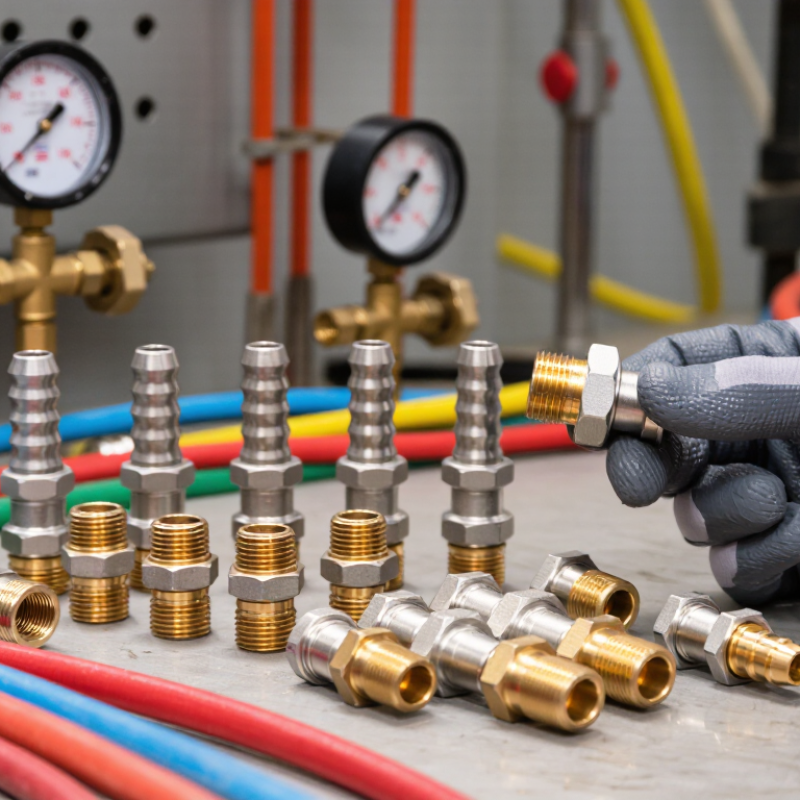
Understanding Quick Connect Fitting Types and Their Applications
Quick connect fittings join and separate fluid lines with little or no tools, but their designs serve different jobs. Push-to-connect fittings are common in pneumatic systems, where tubing feeds air to a cylinder or compact tool. A clean, square tube cut helps the internal seal hold. Small detail, big difference.
Threaded quick couplings often suit hydraulic equipment and higher-pressure service, though pressure ratings vary by model. Flat-face versions can limit fluid loss during connection, which is useful around mobile machinery. Cam-and-groove couplings use locking arms and are often found on larger hoses for transferring water or compatible chemicals. They are not interchangeable with every hose connection. That part is easy to overlook.
Choose by the actual fluid, operating pressure, temperature, flow needs, and connection frequency. Check the fitting material against the fluid; stainless steel, brass, and polymer options behave differently in corrosive or hot environments. Also confirm the hose or tube size and the coupling’s stated rating. A fitting that connects smoothly may still restrict flow or leak under pressure. In practice, the best choice is the one matched to the system, not simply the easiest one to snap together. Consult equipment documentation, and relieve pressure before disconnecting a line.
Checking Fluid, Pressure, Temperature, and Material Requirements
How to Choose the Right Quick Connect Fitting?
Choosing a quick connect fitting starts with the fluid, not the thread size. Water, oil, compressed air, chemicals, and aggressive cleaning fluids affect seals differently. Confirm compatibility between the fluid, body, valve, and O-ring material. A fitting may look suitable, yet swell or crack after repeated exposure. I have seen small seal changes cause slow leaks within weeks. Check the fluid concentration, cleanliness, and flow direction before selecting a connection.
Tips: Write down the normal and maximum pressure, temperature, and flow rate. Include pressure spikes, vacuum conditions, and frequent connection cycles. Select a fitting with a suitable safety margin, not merely the minimum rating. Read technical data carefully. Some ratings change with temperature. That detail is easy to miss.
Material choice also depends on the environment. Stainless steel can resist corrosion, while engineered polymers may reduce weight and cost. However, neither option suits every application. Consider vibration, outdoor exposure, abrasion, and galvanic corrosion between different metals. Verify thread standards and hose dimensions with accurate gauges. Test a sample assembly under real operating conditions when possible. A perfect calculation still needs practical checking. If the fitting becomes hot, difficult to release, or visibly distorted, stop and investigate before continued use.
How to Choose the Right Quick Connect Fitting?
Check fluid compatibility, pressure, temperature, and material requirements before selecting a quick connect fitting.
Fluid Compatibility
Confirm that the body, seal, and spring materials are compatible with the fluid. EPDM is commonly selected for water and many polar fluids, while FKM is often used with oils and fuels.
Pressure Rating
Choose a fitting with a rated working pressure above the system maximum, including pressure spikes. Actual ratings depend on fitting size, connection style, temperature, and media.
Temperature Limit
The chart shows typical upper continuous-use temperatures for common seal materials. Always verify the specific fitting design and temperature derating.
Material Selection
Use stainless steel for demanding corrosion environments, brass for many general-purpose applications, and engineering plastics where low weight and chemical resistance are priorities.
Temperature values are typical reference limits: NBR 100°C, EPDM 150°C, FKM 200°C, and PTFE 260°C. Confirm the exact specification before use.
Evaluating Sealing Methods, Compatibility, and Safety Features
How to Choose the Right Quick Connect Fitting?
Choosing a quick connect fitting begins with its sealing method. O-rings provide fast, reliable sealing for many air and fluid systems. However, seal material must match the medium and temperature. A seal that suits clean water may swell in oil. It may also harden near a hot compressor. Flat gaskets can tolerate some flange movement, but they need even compression. Metal-to-metal seals suit demanding conditions, yet they require cleaner surfaces and tighter installation control.
Compatibility involves more than thread size. Check the connection profile, tube material, pressure rating, temperature range, and flow requirements. Confirm whether the fitting handles vibration and repeated coupling. In field inspections, I look for damaged threads, flattened seals, and fine dust near the joint. These details often reveal leakage before pressure drops become obvious. I once underestimated vibration during selection. The fitting matched perfectly, but the seal wore sooner than expected.
Tips: Compare the fitting with the actual system data sheet. Do not rely on appearance alone. Confirm the working pressure at operating temperature. Choose a positive locking sleeve or locking pin when accidental disconnection could cause movement. Test the assembled connection slowly, then inspect it under normal load. Keep spare seals clean and protected from sunlight. Small oversights matter. If the application is uncertain, consult a qualified engineer and document the decision.


