Top Electric Water Heater Trends for 2026 What to Expect?
As we look towards 2026, the Electric Water Heater industry is set to undergo significant transformation. Experts agree that technological advancements will continue to reshape this market. John Smith, a leading figure in energy solutions, notes, “The future of electric water heaters lies in efficiency and sustainability.” This statement captures the essence of what is to come.
The trends indicate a shift towards smarter systems. These systems will prioritize energy efficiency and user convenience. Electric water heaters are expected to integrate with smart home technology. This integration allows consumers to monitor and control their water heating needs seamlessly. The challenge, however, is ensuring that these innovations remain user-friendly and reliable.
Additionally, sustainability is at the forefront of these changes. Manufacturers are exploring eco-friendly materials and energy sources. The aim is to reduce the carbon footprint associated with electric water heaters. Yet, with rapid change comes potential for missteps. It’s crucial for the industry to focus on refining these technologies. Ultimately, a balance between innovation and practicality will define the landscape in 2026.
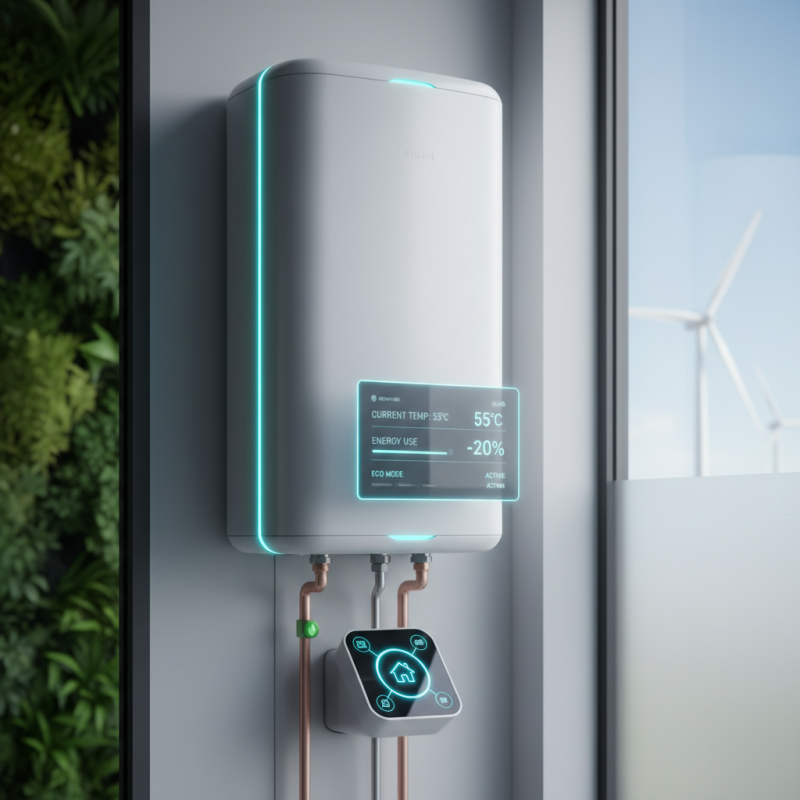
Emerging Technologies in Electric Water Heaters for 2026
The electric water heater industry is evolving rapidly. By 2026, we can expect significant advancements driven by emerging technologies. Smart technology integration is a major focus. According to a recent report by the International Energy Agency, smart electric water heaters will potentially increase energy efficiency by 30%. These units can learn user habits and adjust heating patterns accordingly.
Another notable trend is the shift towards more sustainable materials. Many manufacturers are exploring composite materials that are lighter and more thermally efficient. A study from the Department of Energy indicates that these innovations can reduce energy consumption by approximately 15% compared to traditional models.
Moreover, advances in insulation technology are making electric water heaters more efficient. Enhanced insulation helps retain heat longer, minimizing energy loss. However, some installations still face basic challenges, such as space constraints. This necessitates further exploration into compact designs that do not compromise performance. As the market matures, balancing efficiency and practicality remains a critical consideration.
Sustainability and Energy Efficiency Trends in 2026 Electric Water Heaters
As we look towards 2026, the trends in electric water heaters are increasingly focused on sustainability and energy efficiency. With energy consumption representing a significant portion of household costs, innovations in this sector are crucial. Reports indicate that energy-efficient electric water heaters can reduce household energy use by up to 30%. This shift not only benefits the environment but also provides cost savings for consumers.
Smart technology integration is becoming standard. Advanced controls allow users to manage water heater settings remotely, optimizing energy use. Data from industry analyses show that homes using smart water heaters see a 20% reduction in energy consumption compared to traditional models. However, adoption of these technologies has been slower than anticipated, suggesting room for improvement in consumer education.
Tips: Consider retrofitting your existing water heater with smart technology. Also, periodic maintenance can enhance efficiency. Using timers to heat water during off-peak hours may reduce costs further. As we embrace these changes, awareness and proactive measures are essential.
Smart Features and IoT Integration in Future Electric Water Heaters
The future of electric water heaters is set to embrace smart technology like never before. In 2026, we can expect these systems to not only heat water efficiently but also to integrate seamlessly with our daily routines. Smart thermostats will be commonplace, allowing users to control temperatures from their smartphones. Real-time monitoring through IoT will offer valuable insights into energy usage patterns.
Imagine a water heater that learns your habits. It can adjust its operation based on when you typically use hot water. This kind of adaptation can lead to significant energy savings and lower bills. However, this advanced technology comes with challenges. Security concerns regarding data privacy may arise as more devices connect to the internet.
Moreover, user education is vital. Many homeowners may feel overwhelmed by new features. If they don’t fully understand how to utilize these smart capabilities, they may miss out on benefits. The design must also accommodate traditional users. Striking a balance between modernization and usability will be crucial as we move forward. As the electric water heater evolves, careful consideration of these aspects will define its success.
Market Predictions and Consumer Preferences for Electric Water Heaters in 2026
As we look towards 2026, electric water heaters will see significant shifts. Consumers are increasingly prioritizing energy efficiency. This trend reflects a growing awareness of environmental concerns. Many households seek to reduce their carbon footprints. They prefer systems that not only lower bills but also minimize waste.
Consumer preferences are leaning towards smart technology integration. Many prefer electric water heaters that can be controlled remotely. Such functionality enhances user experience. Features like usage tracking and predictive maintenance will become standard. This shift indicates a desire for greater convenience and efficiency.
However, challenges remain. Not all consumers are tech-savvy. Some may find smart features overwhelming or unnecessary. Additionally, the initial cost for advanced systems can be prohibitive. Therefore, education on benefits is essential. The market must bridge this knowledge gap to foster acceptance and innovation.
Regulatory Changes Impacting Electric Water Heater Innovations by 2026
As the year 2026 approaches, regulatory changes are set to reshape the electric water heater landscape. Governments worldwide emphasize energy efficiency and environmental sustainability. These regulations will push manufacturers to innovate and adopt new technologies that reduce energy consumption and carbon footprints.
Emerging standards may focus on efficiency ratings and sustainable materials. New models might require better insulation and more advanced heating elements. This shift could lead to a rise in smart water heaters. They will likely incorporate IoT capabilities, allowing users to monitor and manage energy use effectively. However, not all manufacturers might meet these standards promptly, creating an imbalance in the market.
Not every innovation will be flawless. Some smart features might confuse traditional users. There also could be challenges with initial costs that deter adoption, despite long-term savings. Balancing affordability with cutting-edge technology will require careful strategy and reflection within the industry. The path forward is riddled with opportunities and obstacles that manufacturers must navigate thoughtfully.


