2026 How to Choose the Best Flexible Cable Tray for Your Needs?
When selecting the best flexible cable tray, making the right choice is crucial. A flexible cable tray offers adaptability for various installations. It not only supports cables but also enhances safety and organization in electrical setups. As technology evolves, these trays become more versatile, fitting different environments.
Understanding your specific needs is important. Consider factors such as cable type, environment, and load capacity. A well-chosen flexible cable tray can reduce costs and improve efficiency in the long run. However, mistakes can happen. Not evaluating the installation space properly may lead to complications.
In a market flooded with options, expertise and reliable information matter. This guide aims to provide the insights necessary for informed decisions. It will address common pitfalls and present solutions to avoid them. Throughout the process, remember that not all trays are suitable for every application. Make careful comparisons to find the right match.
Understanding Flexible Cable Tray Types and Materials
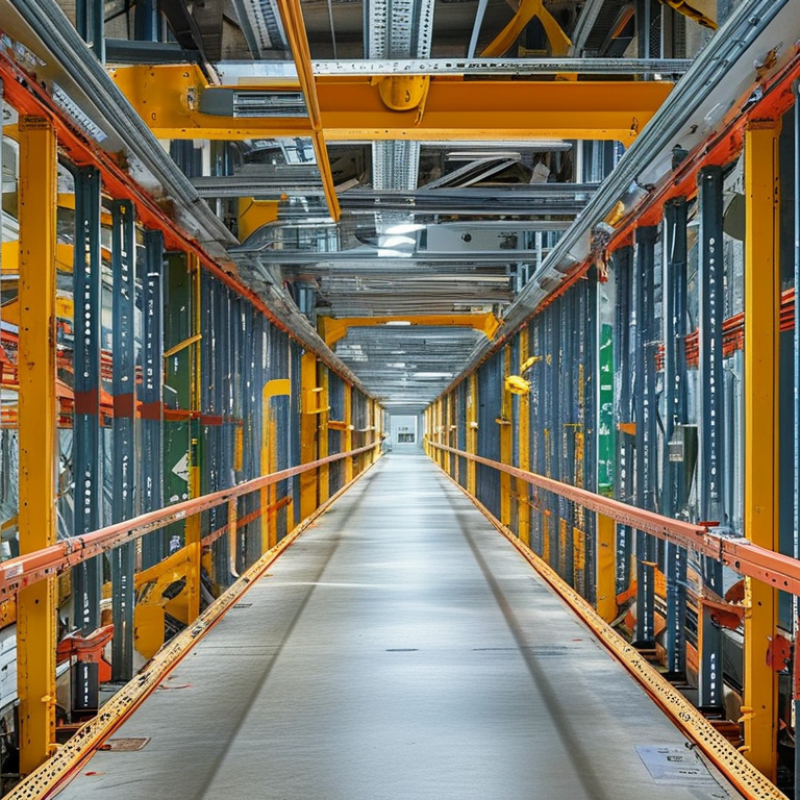
When selecting a flexible cable tray, understanding its types and materials is crucial. Flexible cable trays come in various forms, each suited to specific installation requirements. For instance, wire mesh trays offer ventilation, promoting heat dissipation. Meanwhile, solid trays provide more support for heavier cables. Choosing the right type depends on your cable management needs and the environment where the trays will be used.
Material selection also plays a significant role. Metal trays, like aluminum or steel, are durable and can withstand harsh environments. Plastic trays, on the other hand, are lighter and resistant to corrosion. However, they may not handle heavy loads as effectively. Evaluating the conditions, such as temperature and exposure to chemicals, helps in making an informed choice.
It's also important to consider installation challenges. Some configurations require more time and expertise. For example, bending a metal tray may need specialized tools. This raises concerns about potential delays and costs. Reflect on the operating conditions to ensure you choose the most suitable option, balancing efficiency and effectiveness.
Key Factors to Consider When Choosing a Flexible Cable Tray
When selecting a flexible cable tray, several crucial factors come into play. The material of the tray is vital. Options like aluminum and stainless steel offer varying levels of durability and resistance to environmental elements. Make sure to weigh the pros and cons based on your installation environment. This choice can impact the lifespan of your tray significantly.
Another significant element is the load capacity. It’s essential to determine the total weight your cable system will bear. Underestimating the load might lead to cable damage or system failures. Always calculate the total bundles and anticipated future expansions. Not considering this can lead to costly adjustments later.
Consider the installation method as well. Some cable trays are easier to install than others, requiring different tools and techniques. Research can help you find user-friendly options. Assess the layout of your space. Complex installations may need more flexible solutions. Reflect on your initial choices, and always look for ways to improve efficiency and safety in your setup.
Evaluating Load Capacity and Installation Requirements
When selecting a flexible cable tray, evaluating load capacity is crucial. The load capacity defines how much weight the tray can effectively support without risking collapse. It is essential to consider the materials that will rest on the tray. For example, heavy-duty cables or equipment require trays designed for higher weight limits. Underestimating this factor can lead to safety hazards and damage.
Installation requirements are another critical aspect. Ensure the installation site meets the necessary conditions. Check if the surface is level and capable of supporting the tray. A poorly installed tray may lead to cable strain and long-term issues. Incorporate proper supports at required intervals to enhance stability. Misalignment during installation may create weaknesses. Always refer to manufacturer guidelines for specific recommendations on spacing and securing methods.
Lastly, it is essential to reflect on your specific needs. Each project has unique demands based on the environment and application. A flexible cable tray offers versatility, but not all trays will suit every situation. Consider future expansions or modifications that might affect your choice. This reflection will improve your decision-making process. Balancing load capacity and installation requirements will ensure a reliable, safe solution.
Assessing Environmental Conditions for Cable Tray Usage
Selecting a flexible cable tray requires careful evaluation of environmental conditions. Consideration of temperature is crucial. High heat can warp materials and low temperatures may lead to brittleness. Humidity can increase corrosion risks, particularly in metal cable trays. If cables are exposed to wet environments, ensuring proper drainage is vital.
Another aspect is exposure to chemicals. In industrial settings, chemicals can degrade certain materials quickly. Identify the substances in the surroundings. This will help in choosing a suitable tray material. UV exposure is also a key factor outdoors. Prolonged sunlight can weaken some plastics over time. Look for trays that display durability against UV degradation.
Installation location matters too. A tray placed in a high-traffic area may require sturdier designs. Installation challenges can arise, like ensuring proper support in uneven terrains. If not carefully addressed, it may lead to functional issues down the line. Regular assessments of the tray's condition can prevent significant failures. Reflect on potential hazards to choose effectively.
2026 How to Choose the Best Flexible Cable Tray for Your Needs? - Assessing Environmental Conditions for Cable Tray Usage
| Parameter |
Description |
Recommended Material |
Environmental Condition |
| Load Capacity |
The maximum weight the cable tray can support. |
Steel |
Heavy industrial areas |
| Corrosion Resistance |
Ability of the material to withstand corrosion. |
Galvanized Steel |
Coastal areas |
| Fire Resistance |
Measure of material's resistance to fire. |
Fiberglass |
Chemical plants |
| Temperature Range |
Operating temperature limits. |
Aluminum |
Extreme temperature environments |
| Installation Flexibility |
Ease of installation and modifications. |
Cable tray with integrated bends |
Dynamic work environments |
Comparing Costs and Lifespan of Different Cable Tray Options
When selecting a flexible cable tray, understanding costs and lifespan is crucial. The National Electrical Manufacturers Association (NEMA) reports that costs for cable trays can vary significantly based on materials and design. For instance, lightweight aluminum trays generally cost between $5 to $13 per foot, while stainless steel options range from $15 to $30. These prices can fluctuate based on local market conditions and supplier agreements.
Lifespan is another critical factor. Studies indicate that aluminum trays can last up to 20 years in indoor environments before corrosion affects functionality. In contrast, stainless steel trays are known for their durability, potentially exceeding 30 years in adverse conditions. However, installation quality and maintenance practices can significantly influence these lifespans. It's essential to ensure proper supports and protective coatings are used to maximize longevity.
Reflecting on the decision process, evaluating the initial investment against long-term maintenance costs can be challenging. Some may prioritize upfront savings but later face increased repairs. A thorough analysis of material properties and real-world performance should guide choices. Balancing cost with lifespan helps to align cable tray selections with operational needs and budget constraints.