

Wattage
Typical range: 1,200–1,800 W
Choosing a Power Air Fryer is not just a matter of picking the largest basket or the highest wattage. Countertop space, household size, cooking habits, and cleanup all affect whether an appliance earns a regular place in your kitchen. The NPD Group reported that U.S. air fryer sales rose 76% in 2020, reflecting a sharp increase in consumer interest. That growth also brought more models, features, and confusing claims to compare.
Look beyond the headline numbers. Basket capacity should suit the portions you actually cook, while clear controls and dishwasher-safe parts can make daily use easier. Consumer Reports’ appliance testing emphasizes practical performance factors such as cooking results and ease of use. These matter more than flashy presets when you are making crisp vegetables on a weeknight or reheating leftovers without drying them out. Small details count.
This guide explains how to compare a Power Air Fryer by capacity, temperature range, functions, cleaning demands, and available space. It also considers the trade-offs between compact baskets and larger ovens, including how much counter room each design needs. No single model fits every kitchen. Even a well-reviewed fryer may disappoint if its basket is too small or awkward to wash. A careful comparison can help you choose a model that suits your real routine, not just its product-page promises.
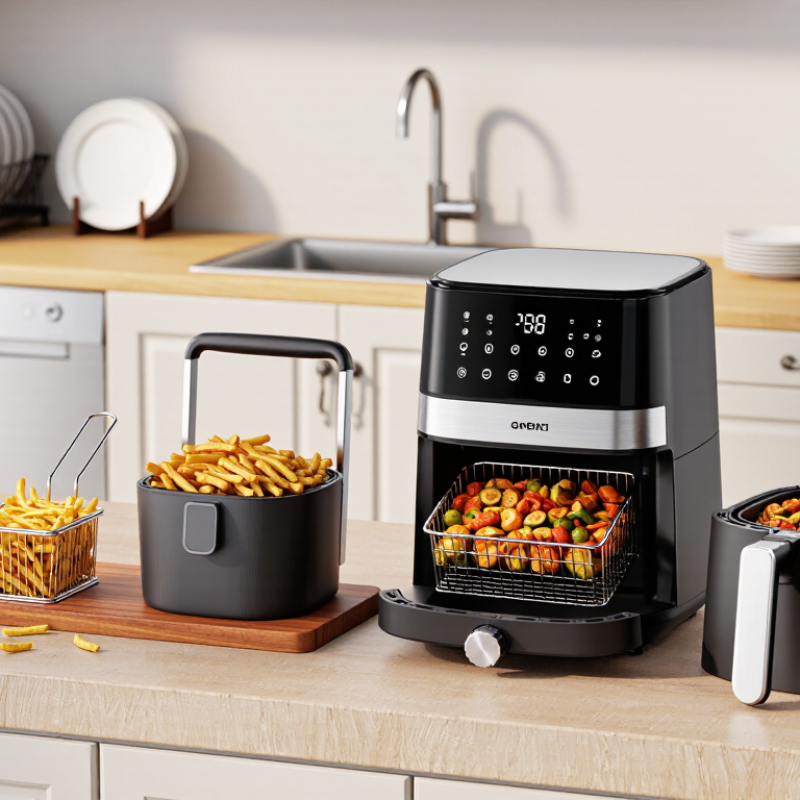
A power air fryer uses a heating element and a fan to move hot air around food. Its wattage indicates how much electrical power it draws, not whether it will cook every meal better. Higher wattage may support quicker heating, but results also depend on basket shape, airflow, and the amount of food inside. A crowded basket can leave fries pale in the middle. Leave space for air to circulate. Small detail, noticeable difference.
Look beyond the wattage label. Check the cooking capacity against your usual portions, and compare temperature range, timer controls, and preset options. Presets can save a few steps, but they are starting points, not guarantees; thick vegetables and frozen snacks may need different times. A clear display and responsive controls make adjustments easier while cooking. The basket should slide out smoothly and feel secure when full. Removable, dishwasher-safe parts can simplify cleanup, though hand-washing may help protect coatings. Also check the appliance’s dimensions, cord placement, and ventilation needs before choosing a countertop spot. Specifications rarely tell the whole story. A model that looks powerful on paper may still feel awkward in daily use.
| Feature | What to Check | Why It Matters | Practical Guidance |
|---|---|---|---|
| Rated power | Wattage listed on the appliance label or in its specifications. Many household air fryers are in the approximate 1,200–1,800 W range, though models vary. | Power affects how much electricity the appliance can draw while operating and can influence heating performance. Wattage alone does not determine cooking results. | Check that the appliance’s voltage and wattage suit your kitchen outlet and circuit. Compare power alongside capacity, airflow design, and cooking controls. |
| Capacity | Basket or cooking-chamber capacity, usually stated in quarts or liters. | A larger capacity can accommodate more food, but the amount that cooks evenly depends on the shape of the basket and how the food is arranged. | Choose a size that fits your usual portions. Avoid overcrowding; food generally cooks more evenly when hot air can circulate around it. |
| Temperature range | Minimum and maximum selectable temperatures, shown in °F or °C. | A suitable range supports different tasks, such as gently reheating food or cooking at higher temperatures for browning. | Look for clear temperature settings and a range that covers the recipes you expect to prepare. Check whether the display uses Fahrenheit, Celsius, or both. |
| Temperature and timer controls | Control type, adjustment increments, timer range, and whether settings can be changed during cooking. | Fine, easy-to-read controls make it simpler to follow recipes and adjust cooking without relying on preset programs. | Choose controls that are intuitive for the people who will use the appliance. A clear display and straightforward adjustments are useful everyday features. |
| Air circulation and cooking space | Basket layout, food-contact surface area, and whether the design allows space around food. | Air-frying relies on circulating heated air. A crowded basket can block airflow and lead to less even browning. | Consider the shape and usable area, not just the advertised capacity. Plan to cook in batches when necessary. |
| Cooking functions | Available modes, such as air fry, roast, bake, reheat, or dehydrate, if included. | Extra modes can add versatility, but their usefulness depends on the foods and recipes you make. | Prioritize functions you will use regularly. Presets are convenient starting points, but cooking time and results can vary with food size and quantity. |
| Preheating and reminders | Whether preheating is required or recommended and whether the appliance signals when to shake or turn food. | Following the instructions for preheating and moving food can help produce more consistent results. | Check the user manual for guidance. A shake reminder is helpful, but it does not replace checking food for doneness. |
| Cleaning and materials | Removable parts, cleaning instructions, dishwasher guidance, and the condition of any nonstick surface. | Simple cleanup can make frequent use easier. Abrasive tools or unsuitable cleaning methods may damage coated surfaces. | Confirm which parts are dishwasher-safe in the manual. Let components cool before cleaning and use nonabrasive tools where recommended. |
| Safety and placement | Stable footing, handle design, ventilation requirements, cord placement, and safety instructions. | The appliance becomes hot and needs a suitable position with the clearances specified by its manufacturer. | Use it on a stable, heat-resistant surface, keep vents unobstructed, and follow the manual’s instructions for safe operation. |
| Energy use | Rated wattage and the length of typical cooking sessions. | Electricity use depends on power and operating time. A higher wattage does not by itself indicate the energy used for a particular meal. | For a rough estimate, multiply kilowatts by operating hours, then by your electricity price per kilowatt-hour. Actual use varies with the cooking cycle. |
Exclusive Access
Detailed information on our products to assist you with the planning of your cable management project
Register Now


