Main menu Open search

Blog

Why Choose Metallic Liquid Tight Conduit?

Why choose Metallic Liquid Tight Conduit for demanding electrical installations? The answer begins with protection where ordinary wiring methods may struggle. Its flexible metallic core helps shield conductors from impact, crushing, and electromagnetic interference. A liquidtight outer jacket adds defense against water, oil, dust, and industrial contaminants. In practice, this combination is useful near pumps, motors, outdoor equipment, and washdown areas.

It also handles movement better than rigid raceway. A properly selected section can absorb vibration and simplify connections around crowded machinery. Installers often appreciate its ability to follow tight routing paths without repeated elbows. However, flexibility should not be mistaken for unlimited strength. Incorrect bending, poor fittings, or excessive tension can weaken the installation. Small details matter.

Reliable performance depends on more than the conduit itself. The trade size, temperature range, jacket material, grounding path, and fitting rating must match the application. Manufacturer instructions and applicable electrical codes should guide every installation. Qualified professionals should verify continuity, sealing, support spacing, and enclosure connections before energizing equipment. This is where field experience becomes valuable: a conduit may look secure while its fitting remains improperly tightened.

Metallic Liquid Tight Conduit is not automatically the best choice for every project. It may add cost, weight, and installation time where dry, protected conditions already exist. That limitation deserves honest consideration. Yet, when moisture, vibration, mechanical exposure, and reliable bonding appear together, it offers a practical layer of protection. The right decision comes from examining the environment, not simply choosing the most rugged-looking product.
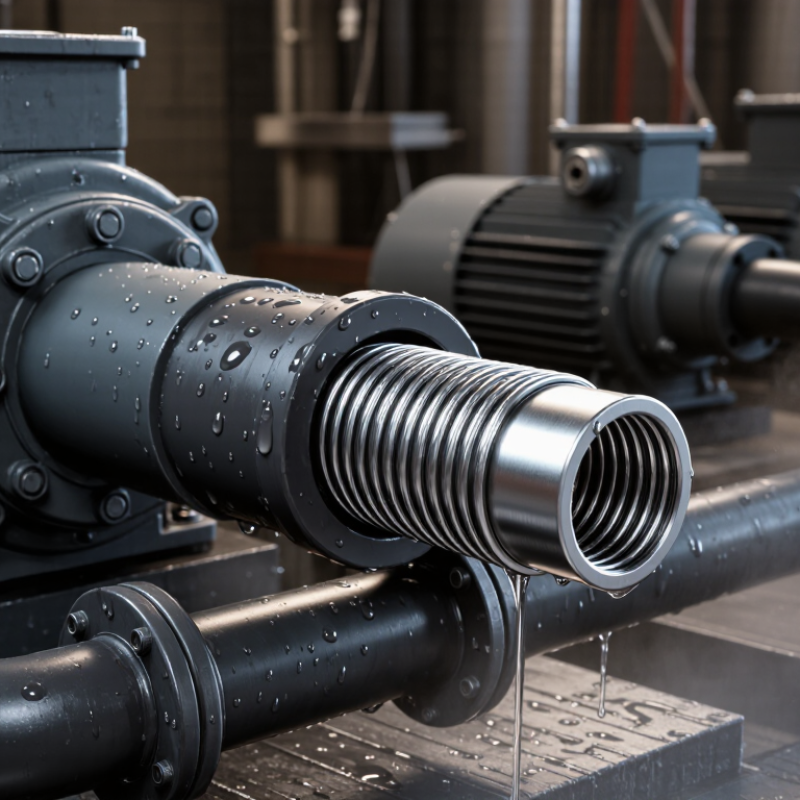
Why Choose Metallic Liquid Tight Conduit?

What Is Metallic Liquid Tight Conduit?

Metallic liquid tight conduit is a flexible metal raceway with a moisture-resistant outer jacket. It protects insulated conductors from water, oil, dust, vibration, and physical damage. The metal core provides a dependable grounding path when installed correctly. The sealed jacket handles wet areas better than ordinary flexible conduit. It is commonly used near pumps, rooftop equipment, washdown zones, and vibrating machinery.

Its value becomes clearer during practical installation. The conduit bends around tight corners without requiring many rigid elbows. Proper fittings preserve the liquidtight seal at every connection. The 2023 NFPA 70 standard places specific requirements on liquidtight flexible metal conduit, including permitted uses, fittings, and installation methods. UL 360 testing also evaluates liquidtight flexible metal conduit performance. These requirements do not make a poor installation safe. Fit matters. The NFPA report Electrical Fires reports that electrical distribution and lighting equipment caused about 32,000 U.S. home structure fires annually from 2015 to 2019. Conduit cannot prevent every failure, but it can reduce exposure to damaging conditions.

Tips: Select fittings rated for the environment, not merely the conduit size. Keep bends smooth and within the manufacturer’s limits. Inspect jackets for cuts, flattening, or loose fittings. Bond metallic sections continuously. This detail is easy to miss. In harsh locations, verify chemical compatibility before installation. A stronger conduit may still fail when its jacket meets the wrong solvent.

How Metallic Liquid Tight Conduit Is Designed and Constructed

Why Choose Metallic Liquid Tight Conduit?

How Metallic Liquid Tight Conduit Is Designed and Constructed

Metallic liquid tight conduit begins with a flexible, spiral-wound metal core. Galvanized steel usually provides mechanical strength and grounding continuity. The interlocked profile allows bending around corners without collapsing the pathway. A tough polymer jacket then covers the core, blocking water, oil, dust, and abrasion.

The construction has several working layers. The metal strip supports the cable during impact and vibration. The sealed outer jacket limits moisture entry. Correct fittings compress the jacket and maintain a reliable enclosure at each connection. Standards such as UL 360 and IEC 61386-1 establish performance requirements for construction, flexibility, and environmental resistance. Field installation still matters. A damaged jacket can defeat excellent factory design.

The risk is not theoretical. NFPA’s Fire Loss in the United States During 2022 estimated 1,504,500 fires and about 18.1 billion dollars in property damage. That report does not claim conduit prevents every fire. It does show why protected wiring deserves careful engineering. Metallic liquid tight conduit suits pumps, outdoor machinery, wet rooms, and vibrating equipment. Its metal core resists crushing better than many nonmetallic options. Its jacket adds a practical moisture barrier. It is not a magic shield. Over-tight bends, poor stripping, or mismatched fittings can still create weak points. That uncomfortable detail is easy to overlook.

Which Environments Require Metallic Liquid Tight Conduit?

Metallic liquid tight conduit is most valuable where ordinary wiring protection may fail. It combines a flexible metal core with a sealed outer jacket. This design helps shield conductors from moisture, impact, abrasion, and movement.

Which environments require metallic liquid tight conduit?

Wet locations are a common example. It suits pump rooms, washdown areas, food-processing spaces, outdoor equipment, and utility enclosures exposed to rain. Water can enter through small gaps. Properly tightened fittings matter just as much as the conduit itself.

It also performs well around industrial machinery, motors, generators, and vibrating equipment. The flexible structure allows controlled movement without placing sharp stress on conductors. Facilities with oil mist, dust, or mild chemical exposure may also benefit, provided the jacket and fittings match the specific conditions. Near corrosive chemicals or salt air, material selection needs extra care. Metallic conduit is not automatically suitable for every harsh environment.

In field installations, I have seen failures caused by poor routing rather than weak conduit.

Excessive bending, unsupported runs, and mismatched fittings can reduce protection. Keep runs supported, respect the minimum bend radius, and verify grounding and bonding requirements under applicable electrical codes. No installation is perfect. A careful inspection can still catch loose connectors, crushed sections, or water paths before they become expensive problems.

What Advantages Does Metallic Liquid Tight Conduit Provide?

Metallic liquid tight conduit protects electrical conductors in demanding environments. Its metal core resists crushing, impact, and abrasion near machinery or busy service areas. A liquid-resistant jacket helps block water, oil, and fine contaminants. This matters where ordinary raceways may quickly become brittle or exposed.

Its flexibility is another practical advantage. Installers can route it around pumps, motors, panels, and tight corners without creating many sharp bends. The conduit also reduces vibration transfer between equipment and connected wiring. Properly tightened fittings maintain the seal and support electrical continuity when the system requires bonding.

Installation quality still decides much of the result. A poorly cut section, loose connector, or excessive bend can weaken protection. Measure carefully. Keep the bend radius within the manufacturer’s instructions. Metallic conduit is not automatically the best choice for every location; corrosive chemicals, extreme heat, and unusual movement may require a different system. Field experience shows that small details matter, especially where moisture collects beneath equipment. Periodic inspection can reveal cracked jackets, corrosion, or stressed fittings before they affect the conductors. One overlooked weakness can become expensive.

Why Choose Metallic Liquid Tight Conduit?

Relative engineering capability comparison for common conduit protection requirements

Metallic liquid tight conduit combines a flexible metal core with a liquid-resistant jacket. Its main advantages are mechanical protection, resistance to moisture and oil exposure, electrical bonding potential, and improved electromagnetic shielding compared with nonmetallic flexible conduit. The scores shown are a qualitative engineering index from 1 to 5, based on the typical characteristics of liquid-tight flexible metal conduit covered by standards such as UL 360 and NEC Article 350; actual performance depends on the conduit type, fittings, installation method, and project environment.

How to Select and Install Metallic Liquid Tight Conduit Safely

Selecting metallic liquid tight conduit safely starts with the environment. Check exposure to water, oil, sunlight, chemicals, vibration, and temperature changes. Choose a conduit with suitable liquid-tight and mechanical ratings. The trade size must fit the conductors without crowding. Leave room for pulling and future inspection. Small details matter.

Use compatible metallic fittings with properly sized sealing rings. Before installation, inspect the conduit for cuts, crushed sections, or damaged threads. Plan the route with smooth bends and respect the manufacturer’s minimum bend radius. Avoid forcing the conduit around sharp corners. It may look secure, but hidden stress can damage insulation.

During installation, keep the conduit supported and away from hot surfaces. Tighten fittings to the specified torque, not merely by feel. Poorly tightened connections can admit moisture. Excessive force can deform the fitting. Confirm electrical continuity and bonding across metallic sections, especially where paint or coatings interrupt contact. Seal unused openings with approved components.

I have seen neat-looking runs fail because water collected at a low point. Add drainage planning where the installation conditions require it. After wiring, inspect every connection, verify conductor insulation, and test the circuit with suitable equipment. Follow the applicable electrical code and project requirements. A final review is worth the extra minutes.

Why Choose Metallic Liquid Tight Conduit? - How to Select and Install Metallic Liquid Tight Conduit Safely

Data Dimension Technical Information Selection or Installation Guidance Safety Check
Product Type Metallic liquidtight flexible conduit, commonly identified as LFMC, consists of a flexible metallic core covered by a liquid-resistant nonmetallic jacket. Choose LFMC when wiring requires flexibility together with protection against water, oil, dust, or mechanical contact. Confirm that the conduit marking and fitting system are suitable for the intended environmental conditions.
Typical Applications Common applications include motor connections, pumps, outdoor equipment, industrial machinery, damp locations, and areas subject to vibration. Use flexible sections where equipment movement, vibration, or alignment changes could place stress on rigid raceways or cable entries. Do not use the conduit as a substitute for physical protection where severe impact or crushing is expected.
Common Trade Sizes 3/8 in, 1/2 in, 3/4 in, 1 in, 1-1/4 in, 1-1/2 in, 2 in, and larger sizes are commonly available. Select the trade size according to conductor count, conductor diameter, fill limits, and the fitting entry size. Check the actual inside diameter and permitted conductor fill; trade size alone does not confirm compatibility.
Conductor Fill Raceway fill is determined by the number and size of conductors, the conductor insulation dimensions, and the applicable electrical code. Calculate fill before installation and leave enough space for pulling conductors without damaging insulation. Never force conductors into an undersized conduit or use excessive pulling tension.
Environmental Protection The jacket can provide resistance to moisture and liquids, but performance depends on the product construction, fittings, and installation quality. For wet or outdoor locations, use fittings with a compatible sealing gasket or sealing ring and install them according to the fitting instructions. Inspect the jacket for cuts, cracks, flattening, or exposed metal before energizing the circuit.
Temperature Rating Temperature ratings vary by conduit and fitting construction. The lowest rating of the conduit, fitting, conductor, and equipment connection governs the installation. Compare the marked operating temperature with the ambient temperature, conductor temperature, sunlight exposure, and nearby heat sources. Do not assume that all liquidtight conduit has the same temperature rating.
Bending LFMC is designed for controlled flexibility, but it has a minimum bend radius specified by the product manufacturer. Make smooth bends and avoid sharp kinks, repeated flexing, or bends immediately next to a fitting unless permitted by the installation instructions. Replace conduit that has a crushed core, sharply folded jacket, or visibly reduced internal opening.
Fittings Liquidtight fittings normally include a conduit body or throat, a sealing component, and a locknut or equivalent securing mechanism. Use fittings specifically listed or identified for metallic liquidtight flexible conduit and match the conduit trade size. Make sure the fitting grips the metallic core and seals the jacket without cutting or excessively compressing it.
Grounding and Bonding The metallic core may form part of the equipment grounding path when the complete raceway system is installed with compatible fittings and connections. Maintain electrical continuity across every joint, enclosure entry, and equipment connection. Verify continuity with an appropriate test instrument and follow the governing electrical code for bonding requirements.
Installation Length Flexible conduit is intended for equipment connections and controlled routing; excessive unsupported length can increase movement and mechanical stress. Keep runs as short as practical while allowing equipment movement, service access, and the required bend radius. Support the conduit and prevent its weight from being carried by terminals, glands, or equipment connectors.
Cutting Method The conduit should be cut squarely with a method that does not collapse the metallic core or leave sharp edges. Remove burrs and jacket fragments before inserting the conduit into the fitting. Check that no sharp metal edge can damage conductor insulation during pulling or service.
Pulling Conductors Conductors should be pulled using suitable pulling equipment and a method appropriate for the conductor size and conduit length. Use approved pulling lubricant when compatible with the conductor insulation and conduit system. Avoid twisting, scraping, or exceeding the conductor manufacturer's recommended pulling tension.
Mechanical Support Support spacing depends on the applicable electrical code, conduit size, installation orientation, and local requirements. Provide support near equipment connections and along the route as required by the governing code or installation standard. Do not use cable ties, clamps, or supports that deform the jacket or restrict normal movement.
Inspection Before Energizing A complete inspection should cover routing, fittings, seals, grounding continuity, conductor insulation, and enclosure entries. Confirm that unused openings are closed, fittings are tightened correctly, and conductors are properly terminated. De-energize the circuit during inspection and testing, then verify the absence of voltage before handling conductors.
Standards and Compliance Installation requirements depend on the jurisdiction and may reference electrical codes, product listing requirements, and manufacturer instructions. Use the current code edition adopted by the authority having jurisdiction and select products with appropriate certification markings. Where requirements conflict, follow the applicable local code and consult a qualified electrical professional.
Technical values and installation practices should always be verified against the conduit and fitting markings, the applicable electrical code, and the manufacturer's installation instructions.

Exclusive Access

Unlimited Resources

Detailed information on our products to assist you with the planning of your cable management project

Register Now

BIM Files

Step Files

Installation Manuals

User Guides

Best Practice Guides

Technical Charts