What is Stainless Cable Tray and How to Choose the Right One?
Choosing the right stainless cable tray is crucial for effective cable management. These trays are essential in various industries, providing support and protection for electrical cables. Their durability and resistance to corrosion make them an ideal choice for both indoor and outdoor applications.
When selecting a stainless cable tray, consider factors such as material grade, size, and load capacity. A 304 or 316 stainless steel tray could be suitable depending on the environment. However, cost and installation factors can complicate decision-making. Experience plays a vital role here. You must understand the specific requirements of your project.
Making a choice requires careful thought. A tray too small may compromise safety. Conversely, an oversized tray can be inefficient. Ensure you evaluate your needs and consult experts to find the perfect fit.
Understanding Stainless Cable Trays: Definition and Purpose
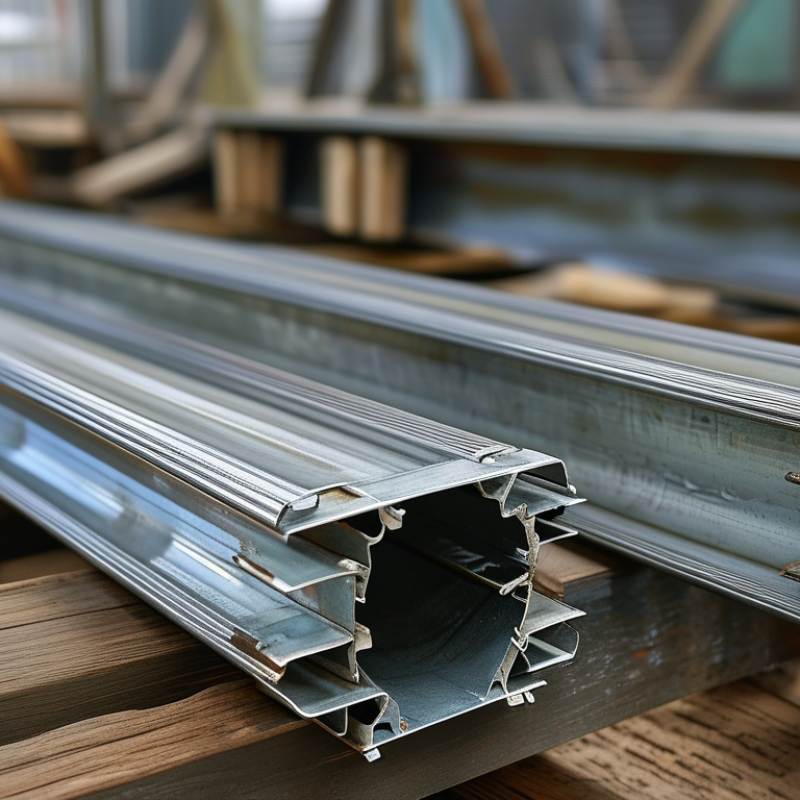
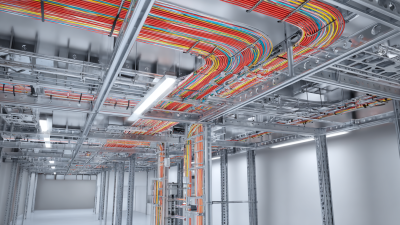
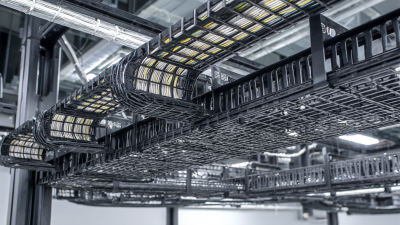
Stainless cable trays are essential for managing and supporting electrical wiring. They are made from corrosion-resistant stainless steel, ensuring durability in various environments. These trays provide a safe pathway for cables, preventing damage and tangling. Their open design promotes airflow, reducing heat buildup.
When choosing the right stainless cable tray, several factors come into play. Consider the size and weight of the cables. Different applications may require varying tray depths and widths. It's crucial to assess the environment. Indoor and outdoor settings differ in exposure to elements. Selecting the appropriate tray for each situation helps avoid future issues.
Reflect on potential installation challenges. Proper alignment and support are key. Each installation may present unique problems that require thoughtful solutions. Understanding both the technical specifications and the environment can lead to better choices. Make sure to evaluate your needs carefully.
Key Benefits of Using Stainless Steel Cable Trays in Electrical Installations
Stainless steel cable trays have gained popularity in electrical installations. Their robust nature makes them ideal for both indoor and outdoor environments. Research from industry reports indicates that stainless steel cable trays can last up to 50 years, significantly longer than traditional materials, which often corrode more quickly. This extended lifespan translates to lower replacement costs, an essential factor in budget-conscious projects.
The use of stainless steel in cable trays offers several benefits. They provide excellent resistance against extreme temperatures and chemical exposure. A study highlighted that nearly 30% of electrical failures are due to environmental factors affecting the cables. Choosing the right tray can minimize these risks. These trays are also lightweight, making installation easier and faster. Proper installation reduces labor costs, which can be a considerable part of the budget.
However, the choice of stainless steel cable trays is not without challenges. Cost can be a significant consideration, as stainless steel is typically more expensive than other materials. Additionally, if not installed correctly, issues like inadequate grounding can arise. It's essential to assess the specific environment and requirements of the installation to make an informed decision. Balancing cost with durability is crucial in ensuring optimal performance.
Factors to Consider When Selecting a Stainless Cable Tray
When selecting a stainless steel cable tray, several factors must be taken into account. Material quality is paramount. Look for trays made from high-grade stainless steel, as they offer better corrosion resistance. This is crucial in environments exposed to moisture or chemicals. A well-constructed tray not only supports cables but also enhances the overall lifespan of the installation.
Another key aspect is the load capacity. Determine how much weight the tray needs to support and choose accordingly. Overloading can lead to failures, often costly and dangerous. Consider the tray's design too. Options vary from ladder to solid-bottom styles. Each has its advantages based on cable types and installation conditions.
Don’t overlook compliance with local electrical codes. Different installations have varied requirements, and failing to meet them could result in safety hazards. It’s essential to do thorough research and consult with experts if needed. This proactive approach can save time, money, and potential safety risks down the line. Remember, selecting the right stainless cable tray is an investment in safety and reliability.
Types of Stainless Cable Trays and Their Applications
Stainless cable trays are essential for organizing and supporting electrical wiring. They come in various types, each designed for specific applications. The most common types include ventilated, ladder, and channel trays. Ventilated trays allow airflow, reducing heat buildup. This is crucial in facilities that house high-density cables. Ladder trays are ideal for larger spaces, providing excellent support while allowing easy access for maintenance. Channel trays are better suited for smaller installations, where space is at a premium.
When choosing the right tray, consider the environment. Humidity, temperature fluctuations, and potential exposure to corrosive materials can affect the choice. Stainless steel offers durability, making it a go-to option in harsh conditions. However, over time, even stainless steel can show wear. Regular inspections will help identify any issues early.
Installing the right type can save time and money in the long run. Measure your cables and anticipated load carefully. Pay attention to local regulations that may dictate specific materials. Maintenance is often overlooked; keeping trays clean and free from debris extends their lifespan. It’s important to note that improper support can lead to sagging and other issues. Conducting periodic reviews ensures the system remains efficient and safe.
Proper Installation and Maintenance Tips for Stainless Cable Trays
Proper installation and maintenance of stainless cable trays are crucial for their efficiency and longevity. Before starting, ensure you have the right tools and safety equipment. Always follow local building codes and regulations. Securing the trays firmly helps prevent movement, which could lead to damage over time.
When maintaining stainless cable trays, regular inspections are essential. Check for signs of corrosion or wear. Clean the trays frequently to remove dust and debris. It’s easy to overlook small issues, but even a minor problem can escalate. Pay attention to joints and connections—they are often weak points.
Use appropriate cleaning agents that won’t harm the stainless steel finish. Many people neglect this aspect. Consider the environment where the trays are installed. Humidity and exposure to chemicals can affect durability. Addressing these factors can save time and money in the long run. Keep a detailed log of maintenance activities and inspections. This can help identify recurring issues and inform future decisions.
What is Stainless Cable Tray and How to Choose the Right One?
| Dimension |
Selection Criteria |
Installation Tips |
Maintenance Tips |
| Width |
Consider cable size and weight |
Ensure proper spacing for support |
Inspect for corrosion regularly |
| Height |
Match with cable volume |
Use appropriate hardware |
Clean regularly to prevent buildup |
| Material |
Choose quality stainless steel |
Secure connections to avoid sagging |
Lubricate hinges periodically |
| Loading Capacity |
Check load ratings |
Install at recommended heights |
Replace damaged sections immediately |