Essential Tips for Choosing Cable Tray Systems for Projects?
When selecting cable tray systems for a project, careful consideration is crucial. These systems play a vital role in managing and organizing electrical and data cables. The right choice ensures safety, efficiency, and durability. Factors like material, size, and environmental conditions can all impact performance.
Many projects overlook the unique requirements each situation demands. For example, outdoor installations require weather-resistant materials. Indoor spaces may need different considerations for aesthetics and space utilization. Choosing the wrong cable tray systems can lead to future challenges, including cable damage and maintenance issues.
Working with industry experts can enhance your decision-making process. Their experience can guide you in evaluating options based on your project's specific needs. Gathering input from different sources also fosters a comprehensive understanding. Ultimately, proper selection reflects not just on the performance of cable tray systems but also on the project's overall success.

Understanding the Purpose and Benefits of Cable Tray Systems
Cable tray systems play a crucial role in organizing and protecting electrical wiring. Understanding their purpose can significantly enhance project outcomes. These systems offer benefits such as improved airflow, reduced installation time, and easier access for maintenance. They are designed to support a variety of cables while ensuring safety and efficiency in electrical installations.
When choosing a cable tray system, consider the specific needs of your project. Assess factors like the type of cables, environment, and load requirements. Ensure that materials are durable and suitable for your setting. For example, in a high-moisture area, a non-corrosive material is vital. Using a durable tray can prevent premature failure and potential hazards.
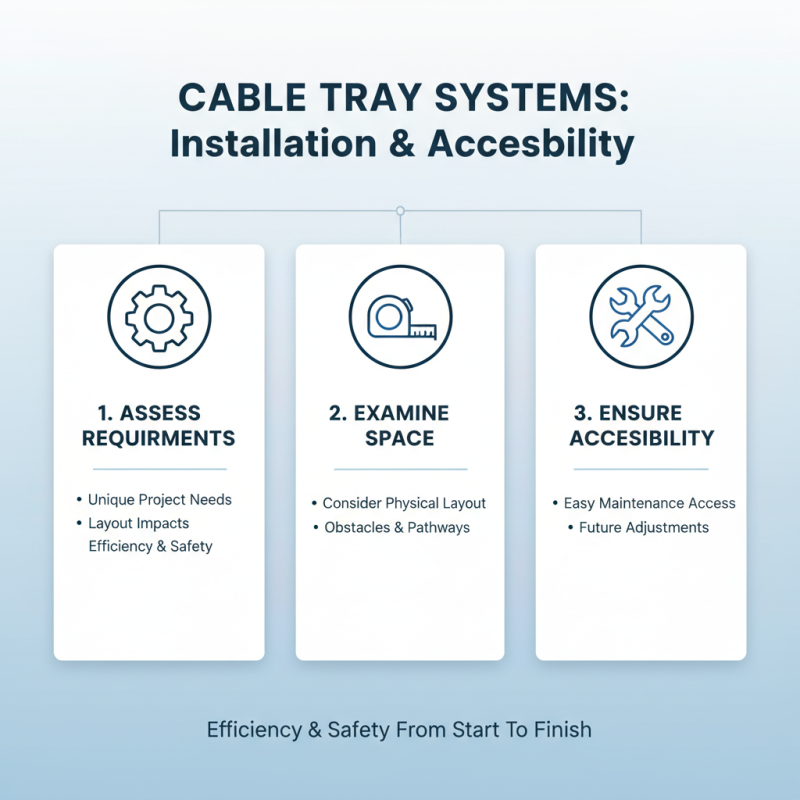
One key tip is to prioritize accessibility. Choose designs that allow easy access for future upgrades or repairs. This prevents disruptions and enhances project longevity. Also, think about the installation process. Ensure you have a clear plan and adequate resources. A well-thought-out installation saves time and can avoid costly mistakes later. Always reflect on your choices, as every decision can impact overall performance and safety in the long run.
Key Factors to Consider When Selecting Cable Tray Materials
Selecting the right cable tray systems is crucial for project efficiency and safety. The materials chosen can significantly impact durability and performance. For instance, steel cable trays are known for their strength and longevity. According to industry reports, galvanized steel can last up to 30 years with proper maintenance, making it a reliable choice for heavy-duty applications.
Aluminum trays are another option. They offer lightweight advantages, which simplify installation. However, they may not be suitable for areas exposed to harsh chemicals. Data suggests that plastic trays are increasingly popular in non-corrosive environments, with research indicating a 15% rise in their usage over the past five years. Selecting the right material often means weighing cost against long-term benefits.
Durability and environmental conditions should guide material choices. Yet, it’s essential to assess the specific project requirements. Decision-makers often overlook factors like weight load and thermal expansion. These elements can affect the functionality of cable trays over time. Detailed evaluations can prevent costly reworks or safety hazards in the future. Conducting thorough assessments ensures that the chosen cable tray system meets all project needs effectively.
Evaluating Load Capacity and Weight Considerations
When evaluating cable tray systems, load capacity is crucial. The weight each tray can support directly affects safety and efficiency. A cable tray must accommodate the weight of cables, connectors, and any additional equipment. Overloading can lead to failures or safety hazards. Each project has specific needs. Be mindful of these unique factors during selection.
Consider the materials used in the tray. Different materials, like steel or aluminum, possess varying load capacities. Steel trays can typically hold more weight than aluminum. However, aluminum trays are lighter and easier to install. It’s essential to strike a balance between weight, durability, and installation ease. Make sure you consult with experts to determine the best fit for your application.
Weight considerations don’t stop at the tray itself. The installation process can impact overall load-bearing performance. Improper installation can lead to stress on the system. Regular inspections might be needed to ensure ongoing reliability. Keep in mind that while it’s easy to overlook weight details, they are vital for long-term success. Evaluate not just the initial setup, but future growth as well.
Load Capacity and Weight Considerations for Cable Tray Systems
Ensuring Compliance with Industry Standards and Regulations
When selecting cable tray systems, ensuring compliance with industry standards is crucial. This helps avoid costly rework and safety risks. Different sectors have specific requirements. Understanding these regulations is essential for any project. Inspect local codes before finalizing your choice.
Here are some tips to consider. Evaluate the load capacity of the tray. It must support the weight of the cables without sagging. Choose materials that resist corrosion, especially in damp environments. The design should allow for easy installation and maintenance.
Regularly review your selections against evolving standards. This ensures ongoing compliance and safety. Engage with professionals who specialize in compliance issues. They can provide valuable insights and help avoid potential pitfalls. By paying attention to these details, projects can run smoothly and safely, reducing long-term headaches.
Essential Tips for Choosing Cable Tray Systems for Projects
| Dimension |
Description |
Importance |
| Material Type |
Steel, Aluminum, or PVC to ensure durability and lightweight properties. |
Material affects the tray's ability to withstand environmental conditions. |
| Load Capacity |
Defined weight that can be safely supported without failure. |
Critical for safety and to avoid overloading issues. |
| Size and Dimensions |
Width, height, and length specifications to fit project requirements. |
Must match the installation environment and cable types. |
| Compliance Standards |
Compliance with NEC, NEMA, and other relevant codes. |
Ensures safety and legality of installations. |
| Accessibility |
Ease of access for maintenance and installation. |
Affects long-term functionality and maintenance costs. |