Main menu Open search

Blog

What Are the Top 10 Chemical Eyewash Stations?

A chemical splash can turn an ordinary shift into an urgent response. Chemical Eyewash stations help workers flush their eyes quickly after exposure, but the right choice depends on the hazard, room layout, and maintenance plan. Seconds matter. The U.S. Bureau of Labor Statistics’ Survey of Occupational Injuries and Illnesses tracks nonfatal workplace injury patterns, including cases involving the eyes. It offers useful context, but it does not rank eyewash products or replace a site-specific hazard assessment.

This guide compares ten chemical eyewash options through practical criteria: water delivery, hands-free activation, installation needs, accessibility, and inspection requirements. OSHA’s 29 CFR 1910.151(c) addresses suitable flushing facilities where corrosive materials may injure workers. ANSI/ISEA Z358.1-2014 (R2020) provides detailed guidance for emergency eyewash and shower equipment, including performance and placement considerations. A wall-mounted unit near a mixing bench may suit one laboratory; a self-contained model may fit a location without reliable plumbing. Fit matters.

The comparison is a starting point, not a universal verdict. A product that looks ideal on paper may be awkward beside a crowded sink or hard to inspect during a busy shift. No model wins everywhere. Confirm chemical hazards, water supply, local requirements, and manufacturer instructions before selecting equipment. Regular testing and clear access matter as much as the purchase. Rankings can simplify a complex decision, and that is their weakness. The safest choice is the one workers can reach, use, and maintain when every second counts.
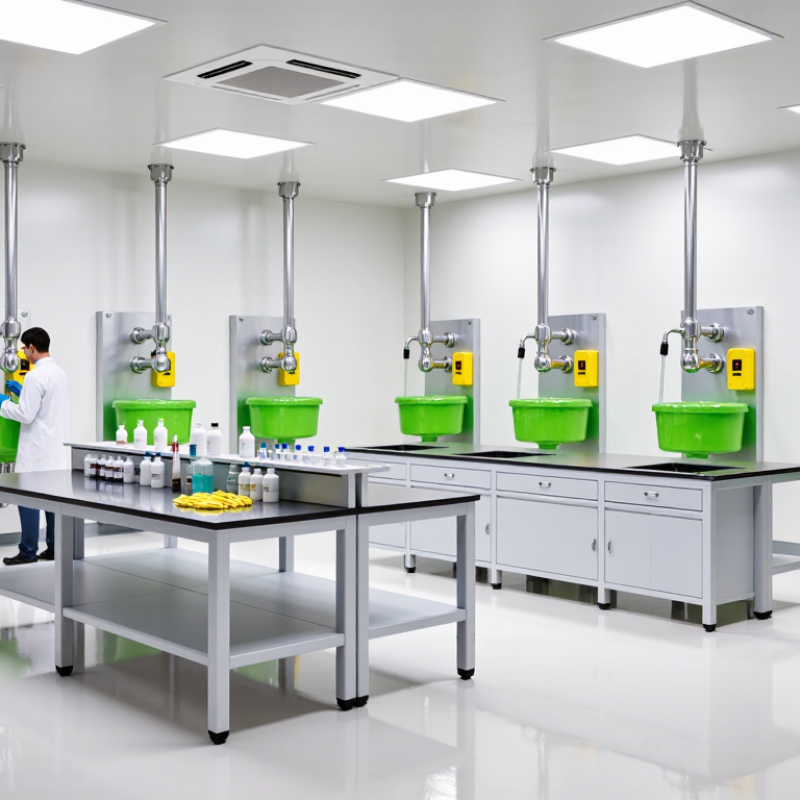
What Are the Top 10 Chemical Eyewash Stations?

How ANSI/ISEA Z358.1 Sets the Baseline for Chemical Eyewash Stations

What Are the Top 10 Chemical Eyewash Stations?

ANSI/ISEA Z358.1-2014 (R2020) sets a practical baseline for evaluating emergency eyewash stations. It is a consensus standard, not a product ranking. For plumbed eyewashes, it specifies a flushing flow of at least 0.4 gallons per minute for 15 minutes. The water should be tepid, generally 60–100°F, to support sustained flushing. The unit must activate in one second or less and stay on without requiring the user to hold a lever. Small details count. A handle hidden behind a drum is not meaningfully accessible.

The National Institute for Occupational Safety and Health has reported that about 2,000 U.S. workers receive medical treatment for job-related eye injuries each day. That figure makes placement and readiness more than checklist items. Compare stations by checking access routes, nozzle covers, flow pattern, and whether nearby chemical hazards match the unit’s intended use. OSHA’s 29 CFR 1910.151(c) requires suitable facilities for immediate emergency use where workers may encounter corrosive materials; ANSI/ISEA offers more specific performance criteria. Plumbed units should be activated weekly and inspected annually under the standard. A compliant fixture can still be poorly placed. And a clear aisle today may be blocked tomorrow.

Chemical Eyewash Stations: ANSI/ISEA Z358.1 Baseline

The standard sets minimum performance requirements—not a ranking of products. This chart compares the minimum flushing flow rates for emergency eyewash and eye/face wash equipment.

Both types of equipment must provide flushing fluid for at least 15 minutes. The standard also addresses tepid fluid, accessible placement, and hands-free activation that starts within one second and remains on without continued use of the operator’s hands.

What the Top 10 Station Types Offer for Different Chemical Hazards

Chemical eyewash stations serve different layouts and exposure risks. Selection depends on the chemical, water supply, and route from the hazard. A wall-mounted plumbed unit fits a fixed workbench. A pedestal model suits an open bay. Combination shower-and-eyewash units address splashes to the eyes and body. Gravity-fed portable tanks help where plumbing is unavailable; pressurized portable units offer another mobile option. Heated or freeze-resistant designs suit cold spaces. Temperature-controlled units make sustained flushing more tolerable. Hands-free controls leave both hands available to hold eyelids open. Enclosed or dust-protected units can help keep nozzles clean.

For corrosive liquids, place a continuous-flow unit near the handling point, with an unobstructed path and suitable drainage. Seconds matter. Fine powders, solvents, and reactive chemicals may require different response steps, so check the safety data sheet and site procedure rather than assuming one approach fits all. Eyewash access should remain clear even when carts, bins, or temporary equipment move through the area.

A station can appear ready but still fail when water is cold, flow is weak, or caps stick. Routine activation checks help reveal these problems. Portable units also need timely refilling and cleaning. It is easy to focus on the station itself and overlook the walk to it; a blocked route can make good equipment less useful. Temperature, flow, and maintenance needs should be checked against the actual exposure scenario.

How the 15-Minute Flush and 0.4 GPM Flow Shape Station Selection

When comparing the top ten chemical eyewash stations, start with the flush, not the housing. ANSI/ISEA Z358.1-2014 (R2020) specifies a minimum eyewash flow of 0.4 gallons per minute for 15 minutes. That is roughly six gallons of water. The standard also calls for a controlled, usable flow that rinses both eyes without injuring them. OSHA’s 29 CFR 1910.151(c) requires suitable facilities for quick drenching or flushing where corrosive materials may contact workers. The details matter.

Flow rate alone is an imperfect shortcut. A station may meet the number on paper but still be poorly placed, hard to activate, or connected to an unreliable water supply. Picture a worker reaching it with irritated eyes: the controls should be obvious, and the path should be clear. Check whether the unit delivers tepid water, maintains flow during a full flush, and suits the room’s plumbing and hazard assessment. Small oversight? A blocked approach can undermine an otherwise capable station.

Tips: ANSI/ISEA recommends weekly activation of plumbed units and annual inspection. Test the actual stream, not just the valve. Verify both eye-level nozzles remain clear, and confirm the station stays accessible after equipment or storage changes.

Why 16–38°C Tepid Water and One-Second Activation Matter

A chemical eyewash station must deliver water that people can tolerate during a stressful exposure. The recommended tepid range is 16–38°C (60–100°F). Water that feels painfully cold may make someone stop flushing too soon. Water that is too warm can also discourage use and may worsen discomfort. Comfort is not a luxury here.

Seconds matter. The controls should activate in one second or less, with a simple movement such as pushing a paddle or pulling a handle. Once activated, the flow should stay on without requiring the injured person to hold the control. That matters when both hands are needed to keep eyelids open. Keep the route clear; a box or cart in front of the station can cost precious time.

A station can look ready and still disappoint: clogged spray heads, weak flow, or water outside the tepid range may go unnoticed without routine checks. Test it according to the applicable requirements and manufacturer instructions, and record problems rather than relying on memory. After exposure, flush immediately and continue for at least 15 minutes, or longer when the product’s safety information or medical advice calls for it. Even good equipment cannot replace training, and that part is easy to underestimate.

What Are the Top 10 Chemical Eyewash Stations? - Why 16–38°C Tepid Water and One-Second Activation Matter

The options below are common eyewash-station configurations, not an official ranking. Select equipment based on a site-specific hazard assessment and applicable requirements.

Station configuration Typical application Water supply Key selection and safety checks
1. Wall-mounted plumbed eyewash Laboratories and work areas with a nearby dependable water supply Building plumbing Check that the supply can deliver the required flushing flow and duration. Keep the route unobstructed and provide tepid water where required by the applicable standard.
2. Pedestal-mounted plumbed eyewash Open production areas or locations without a suitable wall for mounting Floor-level plumbing connection Confirm stable installation, clear access, drainage arrangements, and a control that starts water quickly and remains open without being held.
3. Eye/face wash unit Hazards that could expose both eyes and a larger portion of the face Usually building plumbing; some designs are self-contained Verify that the unit is designed for eye/face flushing and provides the flow and spray pattern required by its applicable standard and installation instructions.
4. Combination emergency shower and eyewash Areas where chemical splashes could affect eyes and the body Building plumbing Check that both components can operate as intended, have adequate water supply, and are reachable without obstacles. Assess drainage and splash-control needs.
5. Self-contained tank eyewash Remote areas or locations where plumbing is unavailable Stored flushing fluid Confirm the tank capacity supports the required flushing duration. Follow the maker’s schedule for fluid replacement, cleaning, and inspection; prevent the unit from becoming inaccessible when empty.
6. Portable self-contained eyewash Temporary work sites or mobile operations without fixed plumbing Portable reservoir or approved flushing-fluid container Secure the unit against tipping, keep it close to the hazard, and verify usable fluid volume, condition, and service dates before work begins.
7. Freeze-protected eyewash Unheated or outdoor locations exposed to freezing temperatures Plumbed supply with a suitable freeze-protection design Ensure freezing cannot block or damage the supply, and confirm the delivered flushing water remains within the required temperature range during use.
8. Temperature-controlled eyewash Sites where incoming water may be very hot or cold Plumbed supply with temperature control Where ANSI/ISEA Z358.1 applies, tepid flushing water is generally defined as 16–38°C (60–100°F). Verify temperature at the outlet under actual operating conditions.
9. Corrosion-resistant eyewash Wet, corrosive, or chemically aggressive environments Plumbed or self-contained, depending on the design Choose materials compatible with the surrounding chemicals and cleaning agents. Inspect bowls, nozzles, valves, and connections for corrosion or blockage.
10. Personal eyewash bottle (supplemental) Immediate first aid while a user reaches a primary emergency eyewash Small bottle of flushing solution Treat as supplemental equipment, not a replacement for a compliant primary eyewash station. Check expiry dates, seals, accessibility, and compatibility with the site’s emergency plan.

Why temperature and activation matter: ANSI/ISEA Z358.1 specifies tepid water for emergency eyewash equipment and calls for the unit to activate in one second or less, with the flushing flow remaining on without the user’s hands. Eyewash units are generally intended to provide flushing for at least 15 minutes; the applicable equipment requirements and site conditions should be verified. OSHA 29 CFR 1910.151(c) requires suitable facilities for quick drenching or flushing where corrosive materials may contact the eyes or body.

How Weekly Activation and Routine Inspections Support Readiness

A chemical eyewash station is useful only if water flows when needed. ANSI/ISEA Z358.1-2014 (R2020) calls for weekly activation of plumbed units and an annual equipment inspection. Weekly checks help confirm operation and flush stagnant water from the line. The standard also specifies a minimum 15-minute flushing duration for emergency eyewash equipment. That number matters. A brief splash is not an adequate readiness test.

During activation, observe both streams, check that they rise evenly, and confirm the controls stay open without being held. Look for leaks, corrosion, blocked nozzles, and water that appears dirty. Record the date, flow condition, and any corrective action. OSHA’s 29 CFR 1910.151(c) requires suitable facilities for quick drenching or flushing where corrosive materials may contact the body; the ANSI standard provides more detailed equipment guidance. Keep the route clear and verify the station remains accessible. Small details matter. A log can look perfect while a cart blocks the approach, so inspect the path in person. Routine attention is less dramatic than an emergency drill, but it can expose problems before someone needs the station.

Exclusive Access

Unlimited Resources

Detailed information on our products to assist you with the planning of your cable management project

Register Now

BIM Files

Step Files

Installation Manuals

User Guides

Best Practice Guides

Technical Charts