China Top 10 Road Excavator Manufacturers 2026
China’s road construction sector is entering a more selective equipment cycle. China Construction Machinery Association (CCMA) reported approximately 201,000 excavators sold in China and overseas markets during 2024, showing resilient demand despite uneven infrastructure investment. Domestic sales improved, while export performance remained sensitive to currency movements, local regulations, and financing conditions.
This article, “China Top 10 Road Excavator Manufacturers 2026,” examines manufacturers through practical operating needs rather than brand visibility alone. The analysis considers machine stability on sloped roadbeds, hydraulic response during trenching, fuel efficiency, operator visibility, attachment compatibility, and after-sales service. These factors matter when a Road Excavator works beside live traffic, wet shoulders, or compacted gravel. A machine that performs well in a factory demonstration may behave differently after 5,000 hours in dusty conditions.
Market studies from Grand View Research and Off-Highway Research identify infrastructure renewal, urban expansion, and equipment replacement as important construction machinery drivers. However, their market categories often combine excavators with other equipment. That limitation deserves attention. It means manufacturer rankings should not rely on market share figures alone. Field reliability, parts availability, telematics support, and verified customer experience also require careful comparison.
The selected companies represent different strengths, including large-scale production, export capability, compact equipment development, and intelligent control systems. Some claims remain difficult to compare because manufacturers publish specifications differently. Real-world ownership costs can also vary by region. Readers should therefore treat this ranking as a structured industry guide, not an absolute verdict. Test reports, dealer interviews, warranty records, and jobsite feedback remain essential before procurement decisions.
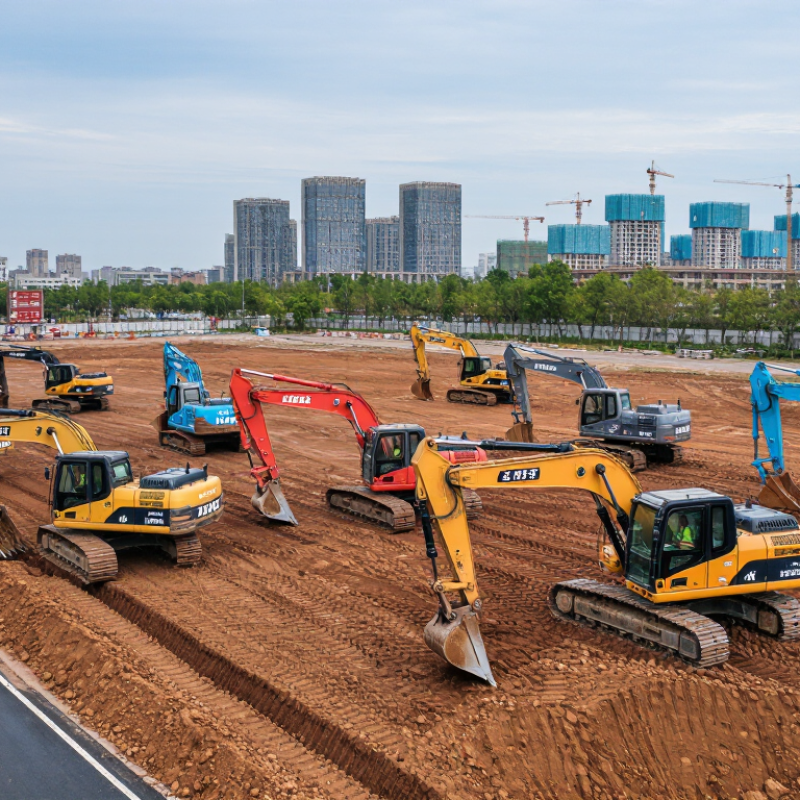
What Defines a Road Excavator and Its Main Applications
A road excavator is a hydraulic excavator configured for work beside, beneath, and across transport routes. It usually combines a compact upper structure, a narrow tail swing, adjustable tracks or road wheels, and attachments such as buckets, breakers, grapples, and compactors. Its defining value is controlled movement in restricted corridors, not simply digging depth. A capable operator can trim a drainage channel while keeping one lane open.
Road excavators support utility trenching, shoulder rebuilding, culvert installation, slope repair, pothole preparation, and roadside vegetation removal. The China Construction Machinery Industry Association reported 201,131 excavators sold in China during 2024. However, its public statistics do not isolate road excavators, which makes precise segment comparisons difficult. That limitation matters when evaluating China’s top manufacturers in 2026. The category is useful, but not perfectly standardized.
The Global Infrastructure Hub estimates a worldwide infrastructure investment gap of about 15 trillion US dollars by 2040. This pressure increases demand for machines that reduce traffic disruption and shorten repair cycles. Field experience suggests hydraulic response, transport width, ground pressure, and attachment compatibility deserve equal attention. Fuel efficiency also matters during long roadside shifts. Yet a larger excavator is not always better. On soft shoulders, excessive weight can create fresh damage. Local soil, rainfall, road authority rules, and operator skill should shape every purchase decision.
How China’s Road Excavator Manufacturing Market Is Evaluated in 2026
In 2026, China’s road excavator market is judged through field performance, not brochure claims. Evaluators examine digging accuracy, hydraulic response, fuel use, and stability on uneven shoulders. A machine that performs well in a showroom may react differently beside wet asphalt. Real roads matter.
Reliable assessments combine controlled tests with contractor feedback. Test teams should record cycle times, engine temperature, fuel consumption, and attachment changes. They should also inspect weld quality, hose protection, cab visibility, and undercarriage wear. Service coverage remains important, especially when a machine works far from major cities. Spare-part availability, technician response time, and digital fault records can strongly affect ownership costs. Experienced operators often notice vibration or control delay before laboratory data reveals a problem.
No score is perfect. Telematics may miss harsh impacts, while short trials cannot predict five years of dust and rain. Evaluators should disclose test conditions, machine hours, load types, and maintenance history. Price alone gives a misleading picture. A lower purchase cost may hide higher fuel use or slower support. The strongest manufacturers are therefore assessed through evidence, consistency, and honest handling of weaknesses, not polished claims.
China’s Top 10 Road Excavator Manufacturers in 2026
China’s Top 10 Road Excavator Manufacturers in 2026 reflect a rapidly maturing construction equipment sector. This ranking focuses on machines built for highways, drainage work, slope trimming, and urban road repairs. Selection considers hydraulic response, operating weight, fuel control, attachment support, and service coverage.
Field experience matters. On a narrow road shoulder, precise joystick control can prevent damage to buried pipes. A stable undercarriage also improves safety on uneven ground. The selected manufacturers offer excavators with reinforced booms, adjustable tracks, and quick couplers. Many models support breakers, augers, compactors, and grading buckets. Telematics systems help managers monitor idle time, maintenance hours, and machine location.
Service quality separates strong manufacturers from average ones. Fast parts delivery can keep a road crew working after a damaged hose or worn tooth. Technical training also reduces mistakes during hydraulic adjustments. However, no ranking is flawless. Published fuel figures may change under heavy digging, cold weather, or constant travel. Dealer response can differ between provinces. Buyers should inspect working machines, review maintenance records, and test attachments before ordering. A lower purchase price may hide higher downtime. Experienced contractors usually compare the complete operating cost, not only the machine invoice.
China Top 10 Road Excavator Manufacturers 2026 - China’s Top 10 Road Excavator Manufacturers in 2026
Anonymized comparison based on publicly reported product specifications and 2025 industry market estimates
| Rank | Manufacturer ID | Primary Production Region | 2025 Estimated China Market Share | Reference Road Excavator Class | Operating Weight | Rated Engine Power | Maximum Digging Depth | Standard Bucket Capacity | Emission Compliance | Roadwork Suitability |
| 1 | Manufacturer A | Jiangsu | 18–22% | 20–22 tonne crawler excavator | 20,500–22,000 kg | 110–125 kW | 6,400–6,700 mm | 0.90–1.05 m³ | China Stage IV | Very High |
| 2 | Manufacturer B | Hunan | 12–16% | 20–22 tonne crawler excavator | 20,300–21,800 kg | 105–123 kW | 6,350–6,650 mm | 0.90–1.10 m³ | China Stage IV | Very High |
| 3 | Manufacturer C | Shandong | 8–12% | 20–23 tonne crawler excavator | 20,800–23,000 kg | 112–129 kW | 6,500–6,900 mm | 0.95–1.15 m³ | China Stage IV | High |
| 4 | Manufacturer D | Guangxi | 6–9% | 18–21 tonne crawler excavator | 18,600–21,000 kg | 100–118 kW | 6,100–6,550 mm | 0.80–1.00 m³ | China Stage IV | High |
| 5 | Manufacturer E | Zhejiang | 5–8% | 18–21 tonne crawler excavator | 18,900–21,200 kg | 102–120 kW | 6,200–6,600 mm | 0.85–1.05 m³ | China Stage IV | High |
| 6 | Manufacturer F | Fujian | 4–7% | 20–22 tonne crawler excavator | 20,200–22,100 kg | 108–126 kW | 6,300–6,750 mm | 0.90–1.10 m³ | China Stage IV | High |
| 7 | Manufacturer G | Henan | 3–5% | 15–18 tonne crawler excavator | 15,800–18,400 kg | 85–105 kW | 5,600–6,100 mm | 0.65–0.85 m³ | China Stage IV | Medium–High |
| 8 | Manufacturer H | Liaoning | 2–4% | 13–16 tonne crawler excavator | 13,500–16,200 kg | 75–92 kW | 5,200–5,800 mm | 0.55–0.75 m³ | China Stage IV | Medium–High |
| 9 | Manufacturer I | Anhui | 1.5–3% | 12–15 tonne crawler excavator | 12,600–15,300 kg | 70–88 kW | 5,000–5,650 mm | 0.50–0.70 m³ | China Stage IV | Medium |
| 10 | Manufacturer J | Hubei | 1–2.5% | 10–14 tonne crawler excavator | 10,800–14,200 kg | 60–82 kW | 4,700–5,400 mm | 0.40–0.65 m³ | China Stage IV | Medium |


