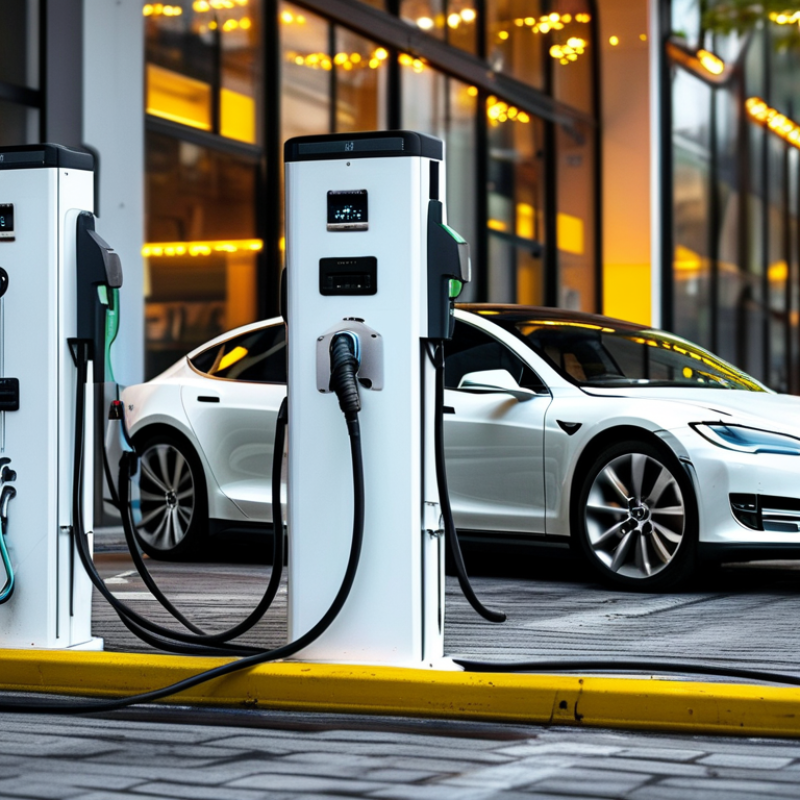
Top 10 EVSE Adapters You Need for Your Electric Vehicle?
Electric vehicles (EVs) are becoming increasingly popular. With this growth comes the need for reliable EVSE adapters. An EVSE adapter is essential for charging your vehicle at home or on the go. Choosing the right adapter ensures compatibility and efficiency.
There are various options available in the market. Each EVSE adapter has unique features suited for different charging scenarios. Finding the right fit can be challenging. It’s important to consider factors such as charging speed and plug types.
Some adapters offer fast charging, while others are more versatile. It's easy to get overwhelmed by the choices. Gather insights and read expert reviews to make informed decisions. Selecting the proper EVSE adapter can significantly improve your EV experience.
Overview of EVSE Adapters and Their Importance for Electric Vehicles
Electric vehicle supply equipment (EVSE) adapters play a crucial role in the adoption of electric vehicles (EVs). As more consumers transition to EVs, the need for compatible charging solutions has risen sharply. According to industry reports, there will be over 30 million electric vehicles on the road by 2025, highlighting the urgency for effective EVSE adapters. These adapters ensure that EV owners can charge their vehicles at various locations, making charging more accessible.
The diversity in charging standards complicates matters. There are different plug types and voltage levels across regions. A report from the International Energy Agency indicates that compatibility issues are a barrier for many potential EV buyers. This gap in compatibility can lead to frustration and avoidable downtime for EV owners. A well-chosen adapter can bridge this gap, offering flexibility and convenience. However, users must also be cautious about safety and reliability. Not all adapters guarantee optimal performance, which can lead to potential damage to the vehicle’s battery or charging system.
Ensuring that the right EVSE adapter is used requires knowledge and research. Data from industry studies emphasize the importance of thorough vetting of adapter specifications before purchase. Users often overlook the necessity of understanding amperage levels and plug configurations. This can result in mismatched expectations and charging inefficiencies. Adopting a cautious approach will not only improve charging reliability but also enhance the longevity of the vehicle's battery system.
Types of EVSE Adapters: Levels and Compatibility
Electric vehicle supply equipment (EVSE) adapters play a critical role in the EV charging ecosystem. Different EV models require specific charging levels, categorized into Level 1, Level 2, and DC fast charging. According to a recent industry report, nearly 70% of EV owners utilize Level 2 charging during daily use, making it the most common type of EVSE adapter.
Level 1 adapters offer the simplest solution, using standard outlets for charging. This method, however, can take up to 20 hours to fully charge an EV, which may not suit everyone’s needs. In contrast, Level 2 adapters significantly reduce charging time to around 4-8 hours, ideal for home or public charging stations. Fast charging solutions, although costly, can deliver an 80% charge in under 30 minutes. Yet, concerns persist about compatibility, with over 30% of EV owners reporting incompatibility issues with existing charging stations.
Selecting the right EVSE adapter is crucial for efficiency and convenience. Lack of standardization means that not every adapter works with every vehicle. Moreover, evolving technologies may lead to additional challenges. As the market progresses, understanding adapter compatibility and performance level is essential for maximizing EV potential. The choice of the right adapter can make a significant difference in the overall EV ownership experience.
Key Features to Look for in EVSE Adapters
Choosing the right electric vehicle supply equipment (EVSE) adapters is crucial for optimal charging performance. Focus on key features that enhance functionality. Many reports suggest that compatibility ranks high among essential attributes. An adapter that accommodates multiple connector types can support diverse charging stations. This flexibility ensures that drivers are not limited to one plug style and increases convenience.
Charging speed is another significant factor. The market indicates that faster charging capabilities result in reduced downtime. Look for adapters that support higher amperage ratings to allow for quicker charging options. Many modern EVs can handle 32 amps or more, making suitable adapters essential for practical use.
User-friendly design matters too. Adapters should be lightweight and portable. A bulky adapter can become an inconvenience during travel. Furthermore, investing in durable materials can prevent wear and tear. According to industry trends, reliable adapters can last longer and withstand different weather conditions. Regularly reviewing the adapter’s performance can guide you in making necessary adjustments for optimal use.
Top 10 Recommended EVSE Adapters for Different Models
When considering electric vehicle supply equipment (EVSE) adapters, variety is crucial. Different vehicle models require specific adapters to optimize charging. For instance, data from the Electric Vehicle Charging Association indicates that approximately 30% of EV owners encounter compatibility issues due to the lack of suitable adapters. This situation emphasizes the necessity of having multiple adapters.
Highly recommended adapters include those for Level 1 and Level 2 chargers. Level 1 adapters provide flexibility for home charging but may not meet the demands of frequent drivers. In contrast, Level 2 adapters offer faster charging, reducing wait times. In fact, research suggests that EV drivers using Level 2 charging can reduce their charging duration by 50%.
Specific adapter models vary by manufacturer, but they all serve a critical role in enhancing user experience. Many EV drivers report frustrations with inadequate charging options. Adapters should be robust and weather-resistant to ensure dependability. The need for durable materials is evident in the increasing rates of charging station wear. Adopting right adapters ensures EV drivers can navigate their charging needs without frequent issues.
Top 10 Recommended EVSE Adapters for Different Models
| Adapter Type | Compatibility | Max Power (kW) | Charge Level | Price (USD) |
| Type 1 to Type 2 | Multiple European Models | 22 | Level 2 | 45 |
| Type 2 to Type 1 | North American Models | 7.4 | Level 2 | 30 |
| CCS Combo 1 | Compatible Vehicles | 150 | Level 3 | 300 |
| Type 1 to NEMA 14-50 | Multiple Models | 32 | Level 2 | 55 |
| Tesla to J1772 | Tesla Models | 40 | Level 2 | 50 |
| CHAdeMO | Japanese Models | 100 | Level 3 | 250 |
| Type 2 to Schuko | European Models | 3.7 | Level 1 | 25 |
| Type 3 to Type 2 | European Models | 22 | Level 2 | 40 |
| NEMA 6-50 to J1772 | North American Models | 40 | Level 2 | 60 |
| NEMA 14-30 to J1772 | North American Models | 24 | Level 2 | 50 |
Maintenance and Safety Tips for Using EVSE Adapters
When using EVSE (Electric Vehicle Supply Equipment) adapters, maintenance is crucial for safety and performance. Regularly inspect the adapter for wear and tear. According to the National Renewable Energy Laboratory, nearly 22% of EV charging station incidents are due to faulty equipment. A visual check can prevent serious issues, ensuring your adapter remains reliable.
Follow guidelines for cleaning. Use a damp cloth to wipe down connections frequently. Avoid harsh chemicals that could damage the materials. The Electric Power Research Institute emphasizes the importance of proper maintenance to extend the life of your charging equipment. Ensure that all connections are secure to prevent overheating. If you notice any unusual smells or sounds, discontinue use immediately.
User experiences play a significant role in understanding safety. Some users report frustration with sudden failure during charging. It’s essential to understand that overheating can lead to dangerous situations. Ensuring your charging environment is well-ventilated can mitigate risks. Remember, prioritizing maintenance and safety habits significantly affects your EV’s lifespan.