Top 5 Explosion Proof Cabinets for Safe Storage Options?
In today's industrial landscape, safety is paramount. Explosion Proof Cabinets are designed to mitigate risks associated with flammable materials. According to a report by the National Fire Protection Association (NFPA), 29% of industrial fires are attributed to inadequate storage of hazardous substances. This statistic highlights the necessity of using appropriate storage solutions.
Choosing the right Explosion Proof Cabinet not only ensures compliance with safety regulations but also protects personnel and facilities. These cabinets can be crucial in environments such as chemical manufacturing and laboratories, where the potential for harmful incidents is high. Features like reinforced steel construction and specialized seals prevent explosions and fire spread.
However, many businesses overlook the importance of quality and certification in selecting an Explosion Proof Cabinet. Cheaper alternatives may lack necessary safety ratings, leading to potential hazards. Not all cabinets fulfill stringent industry standards, making informed choices essential. Balancing cost and safety creates a complex decision-making process that requires reflection and careful assessment.
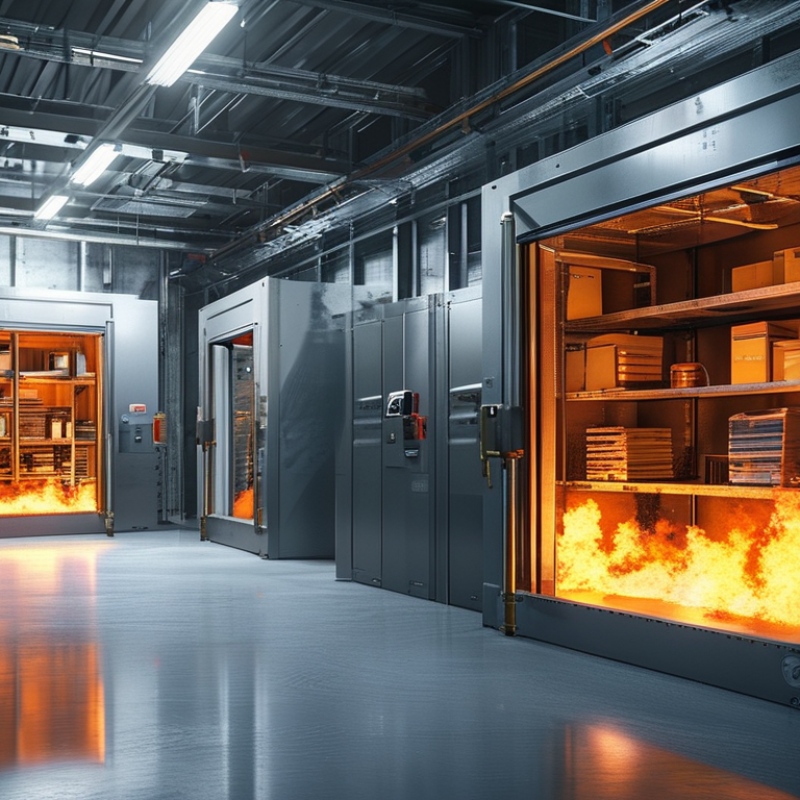
Key Features to Consider for Explosion Proof Cabinets
When selecting explosion-proof cabinets, key features dictate safety and reliability. First, material durability is vital. Cabinets made from steel or other robust materials can withstand high-pressure conditions. Reports indicate that cabinets with at least 14-gauge steel provide superior protection against explosions.
Another essential feature is the locking mechanism. High-security locking systems prevent unauthorized access. A study published by the National Fire Protection Association highlighted that 60% of incidents occur due to human error. Therefore, effective locks are crucial.
Ventilation is equally important. An efficient cabinet should allow for proper airflow. This helps avoid the buildup of hazardous fumes inside. If ventilation is inadequate, it can lead to catastrophic consequences. Regular maintenance checks can ensure that vent systems remain unobstructed.
Consider these tips: always assess the environmental conditions where the cabinet will be placed. Ensure that it meets local safety regulations. Pay attention to the chemical compatibility of the materials stored within. These conscious decisions can enhance safety measures significantly.
Top 5 Explosion Proof Cabinets for Safe Storage Options
| Model | Capacity (Liters) | Material | Fire Rating | Safety Features |
| Cabinet A | 120 | Steel | 90 minutes | Locking Mechanism, Ventilation |
| Cabinet B | 150 | Polymer | 60 minutes | Flame Arrestor, Alarm System |
| Cabinet C | 200 | Galvanized Steel | 120 minutes | Spill Containment, Grounding |
| Cabinet D | 180 | Stainless Steel | 90 minutes | Ventilation, Double Doors |
| Cabinet E | 220 | Carbon Steel | 180 minutes | Explosion Relief, Interlock System |
Top 5 Recommended Explosion Proof Cabinets for Safe Storage
When it comes to storing flammable materials, explosion proof cabinets are essential. A report from the National Fire Protection Association shows that improper storage leads to over 30% of industrial fires. Choosing the right cabinet can mitigate risks effectively.
Pick cabinets with features such as reinforced steel construction and fire-rated insulation. Some models are even designed to withstand extreme pressure and heat. Safety ratings, such as those from Underwriters Laboratories (UL), ensure compliance with industry standards. This indicates reliability and gives peace of mind.
Consider how each cabinet fits your specific needs. Volume capacity, internal layout, and accessibility play vital roles in usability. A poorly designed cabinet may lead to accidents, despite high-performance ratings. Regular audits and assessments are also necessary to ensure ongoing compliance and safety.
Comparison of Materials Used in Explosion Proof Cabinets
When choosing explosion proof cabinets, material selection plays a crucial role. Many manufacturers use steel for its strength and durability. Steel cabinets often meet stringent safety standards. According to a study by the National Fire Protection Association, properly constructed steel cabinets can withstand high impacts and heat exposure, making them a reliable choice for hazardous environments.
Alternatives like polyethylene are gaining traction for their lightweight and corrosion-resistant properties. This material is especially useful in areas with high chemical exposure. The American Society for Testing and Materials has conducted tests showing that polyethylene cabinets can be effective in keeping flammable substances safe while being easier to transport and maneuver.
However, not all materials are created equal. Some lightweight options may not provide the same level of protection as heavier models. Reflecting on your specific needs is essential. Consider factors such as the types of materials stored and the environment. Understanding the limitations of each material will lead to better decisions in safety and compliance.
Best Practices for Maintaining Explosion Proof Cabinets
When maintaining explosion-proof cabinets, routine inspections are paramount. Regularly check the seals and seals for any signs of wear or damage. If you notice any irregularities, address them immediately. Proper ventilation is also crucial. Ensure that air circulation within the cabinet remains unblocked to prevent any build-up of potentially hazardous vapors.
Always keep the cabinet clean and organized. A cluttered space can be hazardous and may lead to accidents. Use appropriate labels to clearly identify contents. This practice helps in quick identification, especially during emergencies. Remember to also log any maintenance or inspections performed. This record provides valuable insight for future assessments and ensures that safety protocols are being followed.
Training personnel on the correct use and maintenance of these cabinets enhances safety. Staff should understand how to operate the cabinet properly and recognize when something is amiss. Encourage open communication regarding any concerns. Safety is a continuous journey, and each step must be taken seriously. Reflect on past incidents to improve practices and avoid future mistakes.
Top 5 Explosion Proof Cabinets: Storage Capacity Comparison
Regulatory Standards for Explosion Proof Cabinet Compliance
When it comes to explosion proof cabinets, compliance with regulatory standards is paramount. Organizations must adhere to safety regulations, such as NFPA 30 and OSHA guidelines. These standards provide requirements for the design and function of storage cabinets used for flammable materials. According to the National Fire Protection Association, flammable liquids account for significant fire incidents in industrial settings. Therefore, understanding compliance can prevent potential hazards and costly accidents.
Companies often overlook the importance of routine inspections and maintenance of these cabinets. The effectiveness of an explosion proof cabinet relies on its structural integrity. Regular checks can identify weaknesses that, if left unaddressed, could lead to catastrophic failures. Industry data suggest that almost 30% of explosion-related incidents stem from improper storage practices. This indicates a need for improved oversight in cabinet conditions and staff training concerning best practices for using these storage solutions.
Furthermore, certifications like UL 1275 play a crucial role in assessing the performance of these cabinets. However, many organizations remain unaware of the implications of non-compliance. This oversight can lead to severe consequences, including fines and increased liability. Accurate documentation of inspections and certifications can significantly enhance accountability and safety culture within organizations.
For safe handling and storage of flammable materials, it is critical that companies prioritize compliance and the integrity of their explosion proof cabinets. Evaluating and reinforcing compliance not only improves safety but also facilitates a culture of accountability among staff. Investing in reliable storage solutions is essential for any organization dealing with hazardous materials.


