| 1. Tray type |
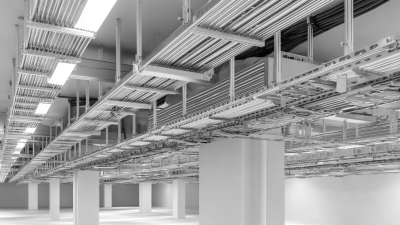
Ladder, ventilated trough, solid-bottom, wire-mesh, or channel tray. |
Tray design affects support spacing, ventilation, cable protection, and installation access; suitability depends on the project and cable requirements. |
Available styles, dimensions, fittings, load data, and whether the proposed system is tested as a complete assembly. |
| 2. Stainless steel grade |
Grade offered for the tray, fittings, and fasteners. |
Type 304 and Type 316 are commonly used stainless steels. Type 316 contains molybdenum and generally offers better resistance to chloride corrosion than Type 304; neither grade is immune to corrosion in every environment. |
Material grade, product form, fastener grade, and material test documentation for the supplied items. |
| 3. Applicable system standard |
Whether the cable tray system is designed, tested, or assessed to a recognized standard. |
NEMA VE 1 covers metal cable tray systems; IEC 61537 covers cable tray and cable ladder systems. These are separate standards, so check which one applies to the project. |
Standard edition, test reports, product scope covered, and any local code or project-specific requirements. |
| 4. Installation guidance |
Completeness of installation instructions and supporting technical documents. |
NEMA VE 2 provides guidance for the selection, installation, and maintenance of cable tray systems. |
Installation manual, support and splice guidance, bonding details, and instructions for field modifications. |
| 5. Load and span data |
Published load ratings for the selected tray type, width, depth, and support span. |
Capacity depends on the particular system configuration and installation conditions; a generic rating should not be assumed to apply to every size or span. |
Load tables or test data for the exact configuration, deflection criteria, and any project-specific engineering calculations. |
| 6. Corrosion suitability |
Material and finish suitability for the actual exposure, including marine, chemical, washdown, or indoor conditions. |
Corrosion performance depends on the environment, stainless grade, surface condition, and contact with other materials. Stainless steel selection should be based on the site exposure. |
Written material recommendation, environmental limitations, cleaning guidance, and compatibility with adjacent metals. |
| 7. Fabrication and finish |
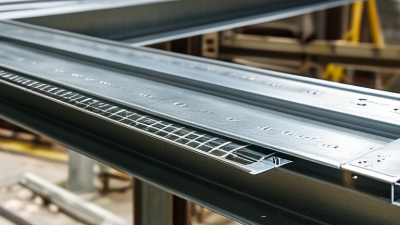
Edge condition, weld quality, surface finish, and consistency between tray sections and fittings. |
Fabrication and surface condition can affect handling, fit-up, and corrosion performance. Specific finish requirements should be stated in the project specification. |
Finish options, deburring practices, weld/passivation information where applicable, and inspection criteria. |
| 8. Fittings and accessories |
Availability of bends, tees, reducers, covers, splice plates, supports, and fasteners compatible with the tray system. |
Accessories should match the selected tray system and material specification; mixing components may affect fit, bonding, and system performance. |
Compatibility documentation, accessory drawings, fastener material, and availability of project-specific fittings. |
| 9. Quality and traceability |
Documented quality controls and traceability for materials and supplied products. |
ISO 9001 is a quality-management-system standard; certification alone does not establish that a particular tray meets a project’s technical requirements. |
Current certificate scope, inspection records, material certificates, lot identification, and product-specific test documents. |
| 10. Delivery and technical service |
Lead time, engineering assistance, drawing support, order customization, and after-sales response. |
Service levels and delivery commitments are supplier- and order-specific and should be confirmed in writing. |
Quoted lead time, submittal schedule, support for layout or takeoff, replacement-parts availability, and warranty terms. |