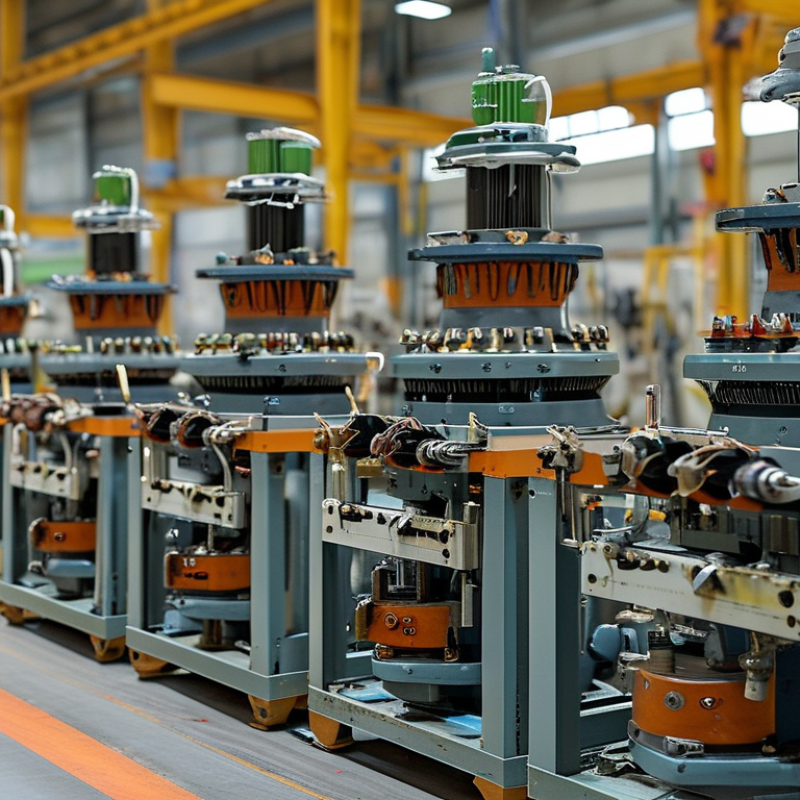
Top 5 Transformer Winding Machines for Global Buyers?
The demand for Transformer Winding Machines is growing globally. Industries are increasingly reliant on efficient winding solutions. According to a recent market report, the transformer production market is projected to reach $43 billion by 2025. This surge reflects the need for reliable machinery.
In the modern age, transformer manufacturing faces unique challenges. Precision and durability in winding machines are crucial. Top manufacturers must adapt to diverse market needs, balancing cost and quality. Data shows that automation in winding processes improves consistency and reduces labor costs.
Choosing the right Transformer Winding Machine is critical for operational success. Buyers must evaluate suppliers based on technology, support, and performance metrics. This article highlights the top five machines that meet these criteria. Each machine represents a commitment to quality and innovation in winding technology.
Overview of Transformer Winding Machines: Importance and Applications
Transformer winding machines play a crucial role in the manufacturing of transformers. These machines are responsible for creating the intricate coils that form the core of electrical transformers. The winding process significantly affects the performance, efficiency, and overall reliability of the transformers. As the demand for energy-efficient solutions grows, the importance of these machines cannot be overstated.
In various applications, transformer winding machines are utilized in different sectors, including renewable energy, industrial machinery, and power generation. Their precise coil winding ensures optimal electrical performance. However, choosing the right machine can be challenging. Many buyers face decisions on factors like machine capacity and winding techniques. It’s essential to understand the specific requirements of the projects. Sometimes, a versatile machine may be more beneficial than one tailored for specific tasks.
Despite the advancements in technology, some common issues persist in transformer winding. Operators often encounter difficulties in achieving uniformity in the winding process. These challenges may lead to inefficiencies in production. Additionally, the skills and training of the personnel operating these machines can greatly influence the outcome. Investing in ongoing education can help mitigate these issues and improve the quality of the final products.
Top 5 Transformer Winding Machines for Global Buyers
| Machine Type | Max Winding Width (mm) | Winding Speed (m/min) | Weight (kg) | Power Consumption (kW) | Key Features |
| Automatic Winding Machine | 800 | 120 | 1500 | 12 | Fully automated operation, high precision |
| Semi-Automatic Winding Machine | 600 | 90 | 1200 | 8 | User-friendly interface, adjustable speed |
| Portable Winding Machine | 400 | 60 | 800 | 5 | Lightweight, ideal for onsite applications |
| High-Speed Transformer Winder | 1000 | 150 | 1800 | 15 | High efficiency, low noise operation |
| Multi-Layer Winder | 500 | 80 | 1100 | 9 | Versatile layer winding, easy setup |
Key Features to Consider When Choosing a Transformer Winding Machine
When selecting a transformer winding machine, various features are crucial. Precision is key; machines must consistently produce high-quality windings. Look for models that offer programmable controls. These allow operators to set parameters easily and quickly. This versatility can enhance production efficiency significantly.
Another essential factor is the machine's build quality. Seek sturdy, durable construction to endure continuous use. Lightweight materials may decrease initial costs but often lead to issues in longevity and performance. Check for manufacturers that prioritize robust designs. Lastly, consider post-purchase support. Machines will require maintenance, and reliable service can prevent extended downtime. Be sure to research availability and reliability of parts and service.
Investing in a winding machine is a big decision. It's vital to weigh all these aspects before committing. Potential buyers should reflect on their specific needs and workflows. A machine that perfectly matches requirements will yield the best results. Without careful consideration, one may end up with a compromise that does not meet expectations.
Top 5 Transformer Winding Machines: Detailed Specifications and Reviews
When selecting transformer winding machines, attention to specifications is crucial. A reliable machine can enhance efficiency and precision in winding processes. Various models offer unique features that cater to different manufacturing needs. Some machines focus on speed, while others prioritize accuracy. It is vital to assess the requirements of your operations before making a decision.
Quality is essential in choosing the right equipment. Some winding machines provide automated features which reduce human error. However, some operators may struggle with complex controls. Users often report that ease of operator familiarity can impact production efficiency. Reviewing user feedback highlights these variances in experience. Balancing technology and usability should be a priority for buyers. This can aid in minimizing learning curves for your team.
Incorporating advanced features can significantly influence performance. Some machines enable easy adjustments for different transformer sizes. However, flexibility may require additional training on operational protocols. Constructing the best solution involves careful analysis of both automated functions and manual interventions. Assessing these factors can lead to more effective winding processes, although it’s essential to recognize that no machine is perfect. Continual improvements and updates may be necessary to remain competitive in the market.
Comparative Analysis of the Best Transformer Winding Machines on the Market
When evaluating transformer winding machines, several critical factors come into play. Efficiency is paramount. A recent industry report highlights that improved winding technologies can enhance production speed by up to 30%. This increase can help manufacturers meet growing demands in the energy sector. Moreover, cost-effectiveness also demands attention, as low operational costs are essential for maintaining competitive pricing.
Precision plays a vital role in the manufacturing process. Machines that offer advanced winding techniques yield higher accuracy, often reducing material waste by 15 to 20%. Additionally, user-friendly interfaces are becoming increasingly important. Machines that simplify setup processes can decrease training time for operators, a factor often underestimated. Many companies find that investing in higher-quality machines pays off through reduced downtime and maintenance costs.
Despite these advantages, some machines may not live up to their marketing claims. Reliability issues can arise, particularly over extended use. It is crucial for manufacturers to conduct thorough research before making a purchase. A balanced understanding of the machine's capabilities can help avoid costly mistakes. Identifying machines that are difficult to service or lack readily available replacement parts is also vital.
Future Trends in Transformer Winding Technology and Machine Innovations
The transformer winding technology is evolving rapidly. Innovations are focusing on automation and precision. Modern machines now integrate advanced monitoring systems. These systems ensure quality and efficiency throughout the winding process.
In the future, we can expect an increase in the use of artificial intelligence. AI will help optimize production schedules. This will minimize downtime and improve output quality. Additionally, machine learning algorithms can identify potential issues. This proactive approach significantly reduces waste and enhances reliability.
Sustainability remains a critical issue. The industry is striving for greener practices. New machines are designed to reduce energy consumption. However, achieving a balance between cost and environmental responsibility is challenging. Continuous innovation is necessary to meet these demands while maintaining high performance and reliability.