Top 10 Uses of Self Drilling Screws You Should Know?
Self Drilling Screws are an essential component in various construction and DIY projects. Their unique design allows these screws to create their own hole as they are driven into materials. This capability makes them particularly valuable in time-sensitive tasks. When speed and efficiency matter, Self Drilling Screws are often the go-to solution.
In practice, Self Drilling Screws are used across multiple applications. From metal and wood to plastic, their versatility shines. Many builders appreciate how these screws reduce the need for pre-drilling. This attribute can save significant time on job sites, but the improper use of Self Drilling Screws can lead to structural issues. It's crucial to choose the right type for your specific material.
Recognizing the top uses of Self Drilling Screws can enhance your projects. Professionals and DIYers alike should be aware of their applications. Understanding their strengths and limitations fosters better practices in construction and repair. Explore these uses to maximize efficiency and ensure long-lasting results.
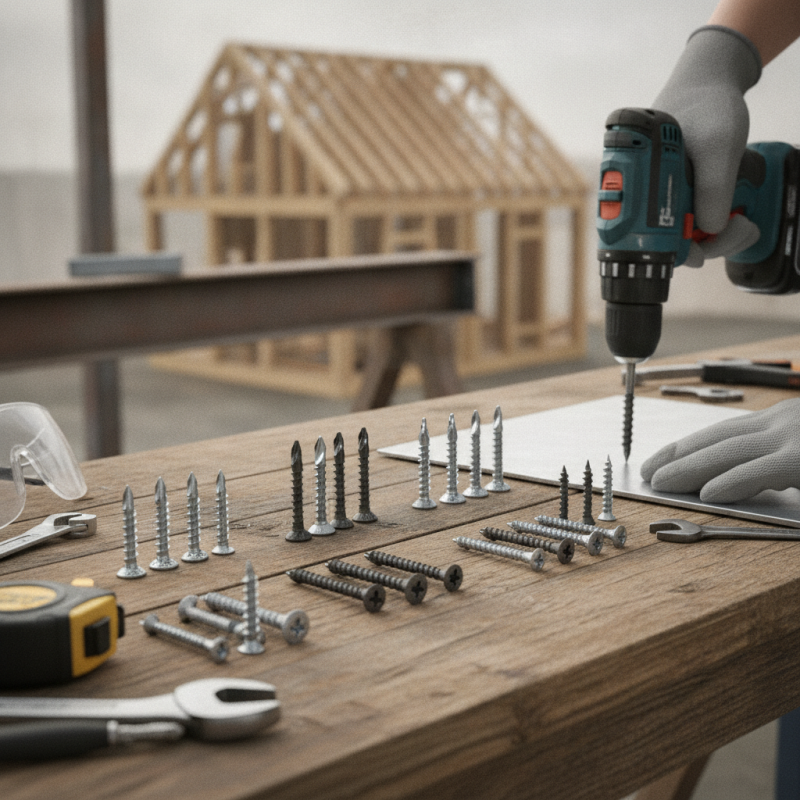
Types of Self-Drilling Screws and Their Applications
Self-drilling screws, often referred to as Tek screws, are a versatile fastener used in various industries. These screws have a drill bit-like tip, allowing them to create their own hole in materials. This feature makes them especially useful in metal and wood applications, reducing the need for pre-drilling. They come in different types, including standard self-drilling screws and those designed for specific tasks, such as roofing or metal siding.
In construction, self-drilling screws are essential for fastening metal sheets. They are designed to penetrate metal surfaces with ease. Their sharp tips and threads provide a strong hold, ensuring structural integrity. In woodworking, these screws offer a reliable fastening option for assembling frames or fixtures. Their ease of use makes them popular for do-it-yourself projects.
However, choosing the correct type of self-drilling screw is crucial. Misusing them can lead to stripped threads or inadequate hold. It's important to consider the material being fastened and the load it needs to bear. Overusing self-drilling screws in certain applications may also create unintentional weaknesses. The necessity to balance efficiency with effectiveness is a key takeaway for anyone using these fasteners.
Top 10 Uses of Self-Drilling Screws
Benefits of Using Self-Drilling Screws Over Traditional Fasteners
Self-drilling screws have revolutionized the way we approach fastening projects. Unlike traditional screws, these self-tapping wonders eliminate the need for pre-drilling. This feature saves both time and effort, making your tasks more efficient. They are particularly beneficial in metal-to-metal applications, where conventional fasteners fall short.
Using self-drilling screws enhances structural integrity. The sharp tip of these screws creates a clean hole, reducing the risks of damaging materials. This precision also minimizes wobbling, ensuring a snug fit. Furthermore, the durable materials used in these screws provide excellent resistance to corrosion, prolonging their lifespan.
Tip 1: Always choose the right length and gauge for your project. An incorrect size can lead to weak connections.
Tip 2: Consider the material you’re working with. Some screws are better suited for specific surfaces.
Self-drilling screws also contribute to minimized labor costs. They reduce installation time and the need for additional tools. While they offer numerous advantages, users should be aware of potential over-tightening issues. This can strip the hole and compromise the joint. Hence, careful handling is essential to maximize effectiveness.
Common Industries That Utilize Self-Drilling Screws
Self-drilling screws play a vital role in various industries. They are designed to create their own holes as they are driven into materials. This capability makes them especially useful in construction, where time and precision are essential.
The construction sector favors self-drilling screws for fastening metal and wood components. They work well with steel framing, making assembly faster. In the roofing industry, they are perfect for attaching panels. They secure materials against harsh weather conditions, ensuring safety and durability.
Tips: Always check the screw length to match the material thickness. Using the right size prevents material damage. Additionally, maintain a steady speed while drilling to enhance accuracy and avoid stripping the screw head.
Manufacturers rely on self-drilling screws for easy assembly of products. These screws streamline processes in manufacturing, reducing labor time and costs. Their effectiveness in handling thicker materials has positioned them as a preferred choice in the automotive sector. However, choosing the wrong type can lead to material fatigue, causing structural issues.
Tip: Conduct regular inspections of screw integrity in critical applications. Flaws can develop over time, leading to potential failures. Collaboration with engineering teams ensures optimal screw choice for the intended use.
Tip for Proper Installation of Self-Drilling Screws
Self-drilling screws are popular in various construction and DIY projects due to their efficiency. Proper installation is crucial for achieving strong connections. According to the Fastener Industry Study, improper installation can lead to a 50% decrease in joint strength. Thus, following the right techniques is vital.
One key tip is to ensure the right drill speed. Using too high a speed can cause overheating, affecting the material and screw integrity. A moderate speed allows for better precision and control. Additionally, pilot holes can help in tough materials. While self-drilling screws are designed to penetrate without pre-drilling, some situations benefit from guiding holes. This can reduce stress and prevent breakage.
Another important aspect is to check the material thickness. For instance, using a screw rated for thinner materials on a thicker surface may result in insufficient hold. Experts recommend matching screw length to material depth for optimal support. Regular training and consultations with knowledgeable professionals can also enhance installation practices. When mistakes happen, reevaluating techniques could lead to improved future outcomes.
Top 10 Uses of Self Drilling Screws
| Use Case | Description | Material | Typical Size |
| Metal Roofing | Attaching metal panels to frames without pre-drilling. | Steel, Aluminum | #10, #12 |
| Wood Construction | Joining wooden beams and panels effectively. | Wood | #8, #10 |
| Sheet Metal Fabrication | Secure metal sheets together for ducts and chimneys. | Steel, Aluminum | #8, #10 |
| Drywall Installation | Fastening drywall to metal or wood studs. | Gypsum Board | #6, #8 |
| HVAC Systems | Securing components in heating and cooling systems. | Sheet Metal | #10, #12 |
| Fencing | Attaching fencing materials to posts. | Wood, Metal | #8, #10 |
| Furniture Assembly | Joining various furniture components without pre-drilling. | Wood, Metal | #6, #8 |
| Exterior Applications | Securing exterior elements like gutters and siding. | Vinyl, Aluminum | #10, #12 |
| Electrical Conduits | Installing conduits for electrical systems securely. | Steel, PVC | #8, #10 |
| Signage Installation | Mounting signage to buildings or poles. | Aluminum, Wood | #10, #12 |
Maintenance and Care for Projects Using Self-Drilling Screws
Self-drilling screws are popular in various construction and renovation projects. However, proper maintenance and care are crucial for their effectiveness. Studies show that around 30% of fastener failures are a result of improper installation or neglect. Regular inspections can help identify potential corrosion and wear that may compromise their integrity.
It's essential to store self-drilling screws in a dry, cool environment to prevent rust. According to industry standards, screws exposed to moisture can lose up to 50% of their tensile strength over time. Using the right sealing and waterproofing techniques can mitigate this risk. Cleaning the screws before installation is also a good practice. Dirt and debris can adversely affect holding power.
In certain climates, screws may face unique challenges, such as expansion and contraction with temperature changes. This can lead to loosening over time. Conducting routine checks can ensure they remain tight and secure. A proactive approach can reduce long-term costs and enhance the durability of projects using self-drilling screws.


